Samoan Siapo: Bark Cloth Fashion Heritage

Siapo: Samoa's Sacred Bark Cloth
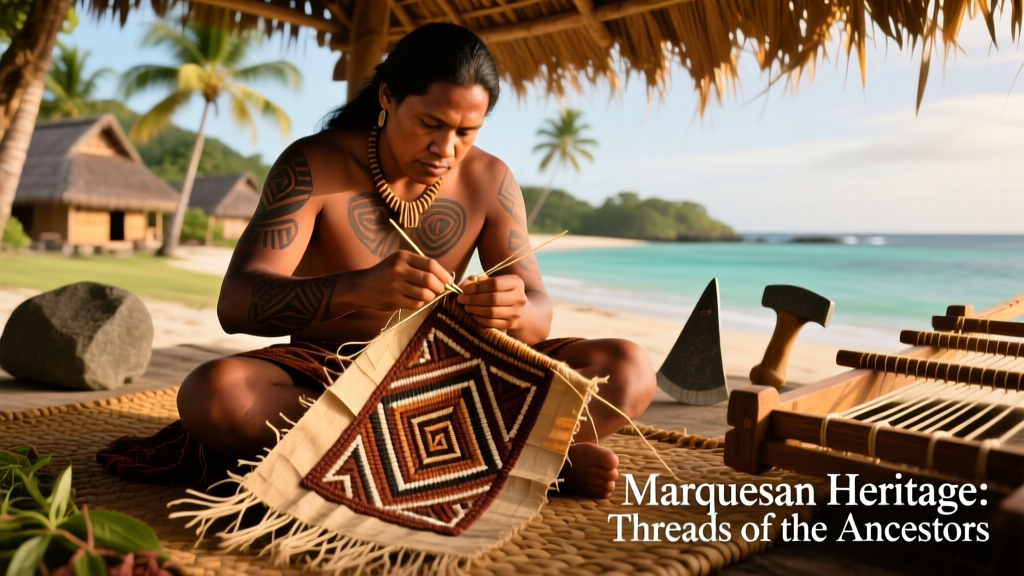
Siapo is the Samoan word for bark cloth — a textile made from the inner bark of the paper mulberry tree (u'a). More than fabric, siapo is a cultural cornerstone of Samoan society, used in ceremonies, gift exchanges, and as ceremonial garments that signify rank, family lineage, and spiritual connection.
The Making Process
- Harvesting: Paper mulberry saplings are cut at 8–12 months. The outer bark is stripped, revealing the white inner bark.
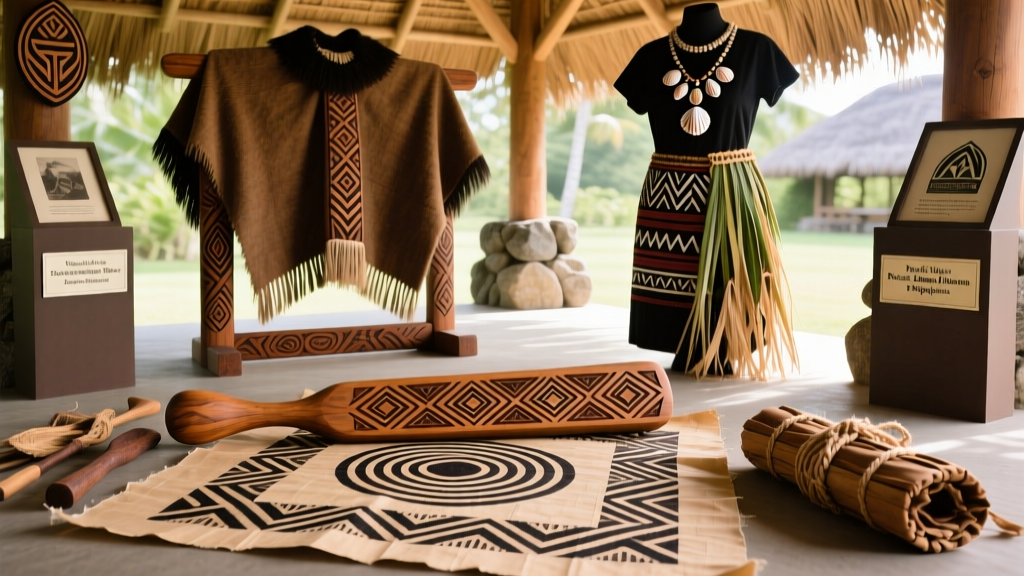
- Beating: The bark is soaked, then beaten with an i'e (wooden beater) on a stone anvil until it expands into a thin, pliable sheet. The rhythmic beating creates a distinctive sound that echoes through Samoan villages.
- Joining: Multiple sheets are overlapped and joined with natural arrowroot adhesive to create larger pieces.
Design Language
Siapo designs (siapo tasina) are applied using natural dyes from:
- O'a tree bark: Produces rich brown and reddish-brown tones
- Candlenut soot: Creates deep black pigments
- Turmeric root: Yields vibrant yellow (reserved for special occasions)
Motifs include stylized breadfruit leaves, coconut fronds, fish, and geometric patterns representing ocean waves. Each design tells a story of the maker's village and family.
Ceremonial Use
At weddings, chiefs receive siapo as gifts of respect. At funerals, siapo wraps the deceased. During the 'ava ceremony, high-ranking participants wear siapo as lavalava (wraparound garments). The cloth's presence signals the gravity and sacredness of the occasion.
Contemporary Revival
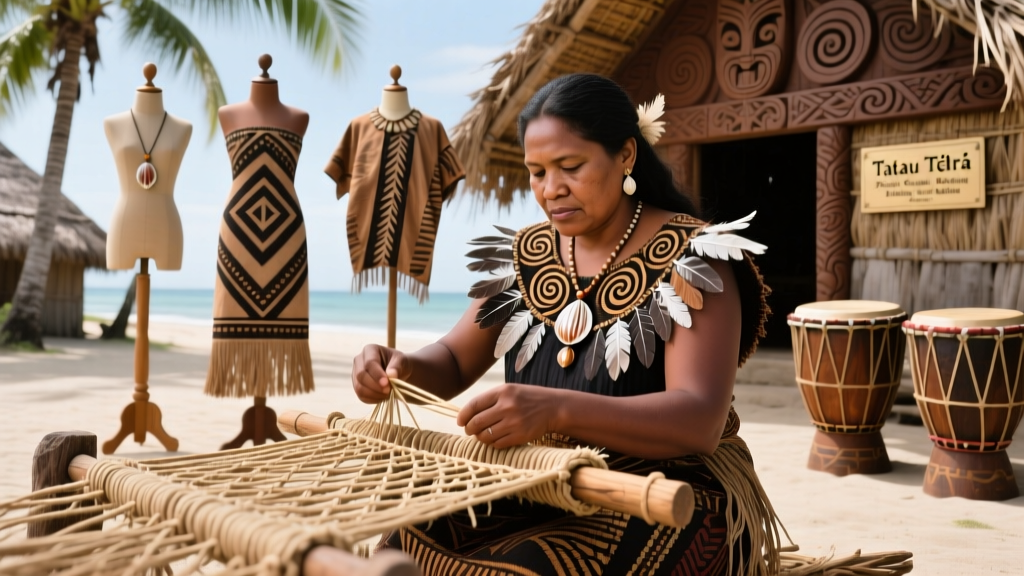
After decades of decline due to imported textiles, siapo making is experiencing a renaissance. Artists like Mary Jewett Pritchard and the Siapo Women of Leone collective are training new generations, while Pacific fashion designers incorporate siapo elements into modern clothing and accessories.