Samoan Siapo Bark Cloth: Art and Revival
The Living Art of Siapo
Siapo, the traditional bark cloth of Samoa, represents one of the most enduring textile traditions in the Pacific. Made from the inner bark of the paper mulberry tree (Broussonetia papyrifera), siapo has been central to Samoan ceremonial life for centuries.
Traditional Production Methods
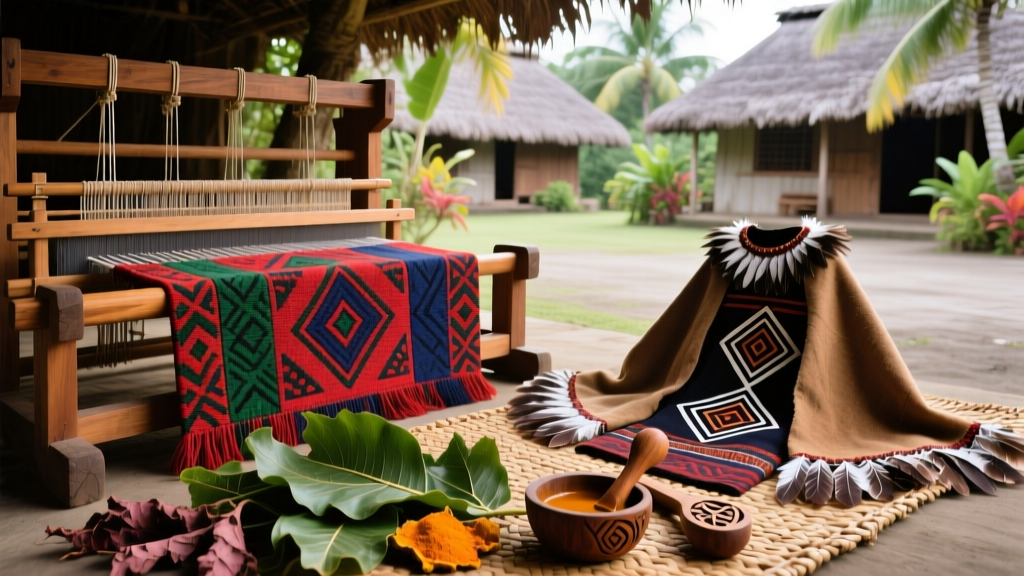
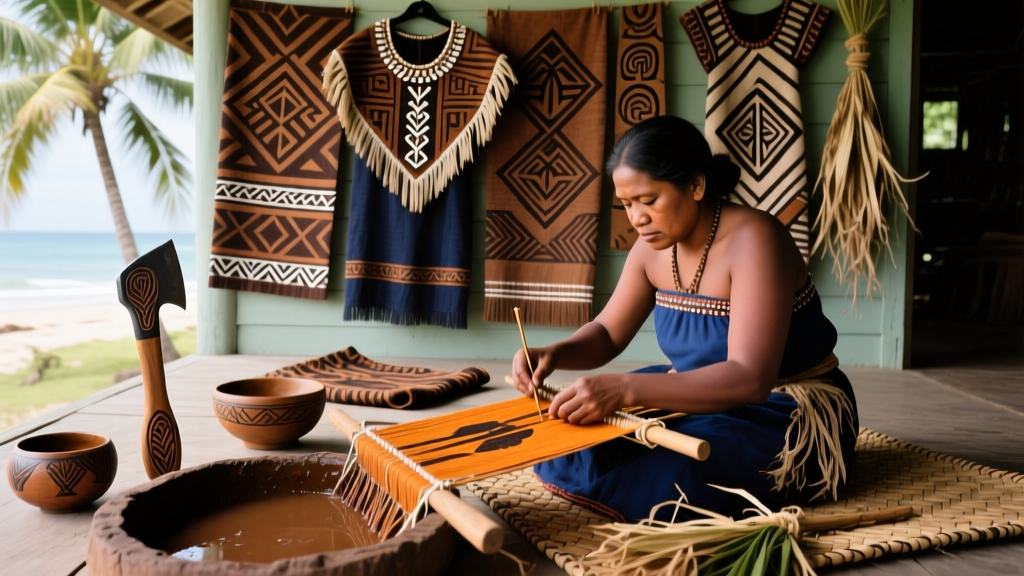
The process begins with harvesting the u'a (paper mulberry) bark. Women traditionally beat the bark with wooden mallets called i'e on stone anvils, thinning and widening the material. Natural dyes from mangrove bark, candlenut soot, and turmeric create the distinctive brown and black patterns.
Cultural Significance
Siapo serves as ceremonial wrapping, gift exchange items, and funerary shrouds. Each motif carries meaning: the fa'a'ali'a (trochus shell) pattern symbolizes abundance, while logologo (wave) motifs represent ocean voyaging heritage.
Modern Revival Efforts
Contemporary Samoan artists like Mary Jewett and Su'a Peter Sulu'ape have revived siapo-making workshops across Samoa and diaspora communities. The Samoa Council of Chiefs now includes siapo artisans in cultural preservation programs.
- UNESCO recognition as intangible cultural heritage
- Annual Siapo Festival in Apia
- Integration with modern fashion design