Maori Korowai: Feather Cloaks of NZ

Maori Korowai: Feather Cloaks of NZ
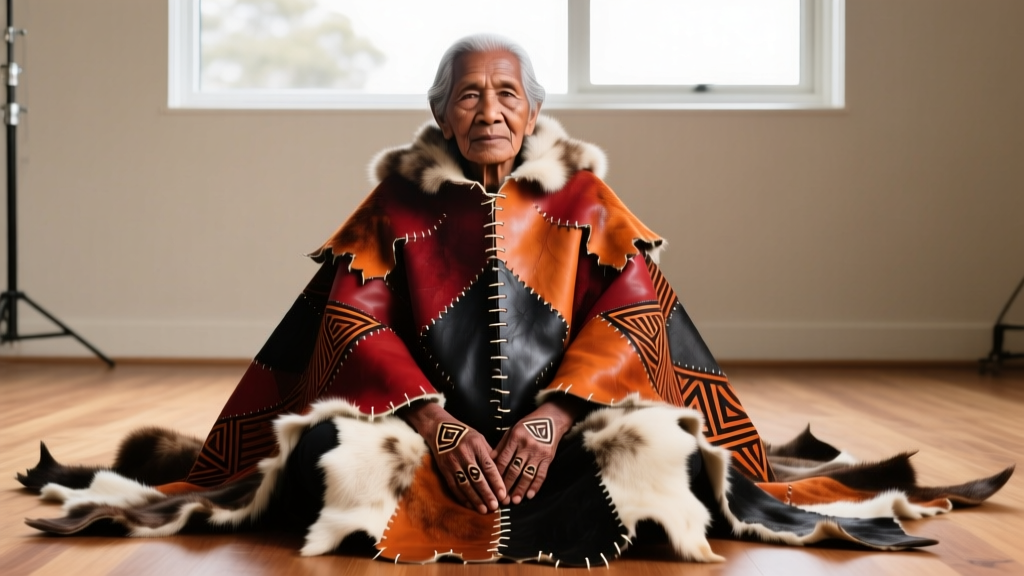
The korowai is a Maori feather cloak, one of the most prestigious forms of Maori weaving and a treasured taonga (treasure). These magnificent garments are worn at significant life events — graduations, weddings, funerals, and investitures — and carry the mana (spiritual authority) of their makers and wearers.
Construction and Technique
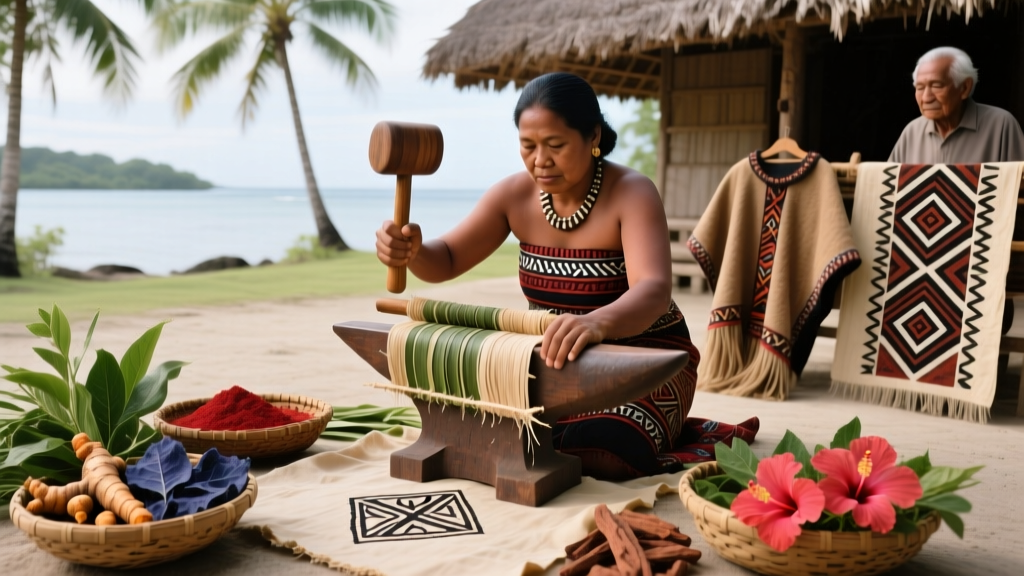
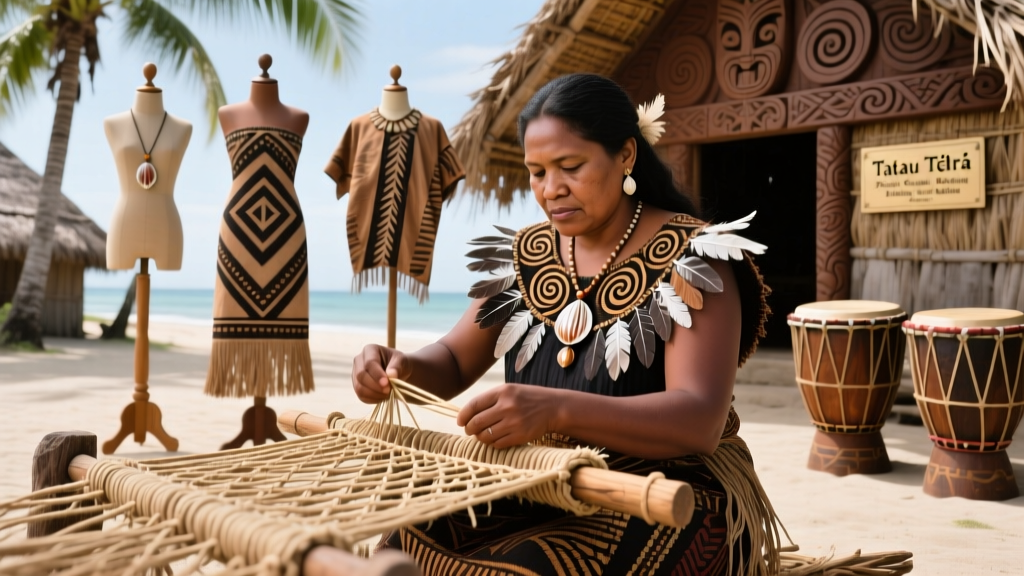
A korowai is woven using the whatu (finger weaving) technique, where the weaver twists pairs of fiber threads (muka, prepared from harakeke/flax) without a loom. Feathers are inserted into the weave at regular intervals, creating the cloak's distinctive textured surface. A single korowai can take months to complete and requires extraordinary patience and skill.
Feather Types
- Kiwi feathers: The most prestigious, creating a dense, soft, brown-black surface. A full kiwi feather cloak (kahu kiwi) is the highest-status garment
- Kaka (parrot) feathers: Red and brown, creating warm-toned cloaks
- Kereru (wood pigeon) feathers: Iridescent green and purple, used for prestigious cloaks
- Toroa (albatross) feathers: White, used as borders and accents
- Rooster hackle feathers: Introduced species used in modern cloaks
Types of Korowai
Several distinct styles exist: Korowai karure features curled, tasseled threads creating a textured surface. Korowai hihima uses undyed muka for a lighter appearance. Kahu huruhuru is a feather cloak where the feathers completely cover the base weave, creating a luxurious, fur-like surface.
Cultural Protocol
Wearing a korowai involves specific tikanga (protocols). The cloak should be draped over the shoulders with the feathers facing upward. It is considered disrespectful to let a korowai touch the ground. Many korowai are named and have their own whakapapa (genealogy), tracing back to the weaver and the occasions on which they have been worn.