Maori Korowai Cloak: Weaving Traditions Guide

What Is a Korowai?
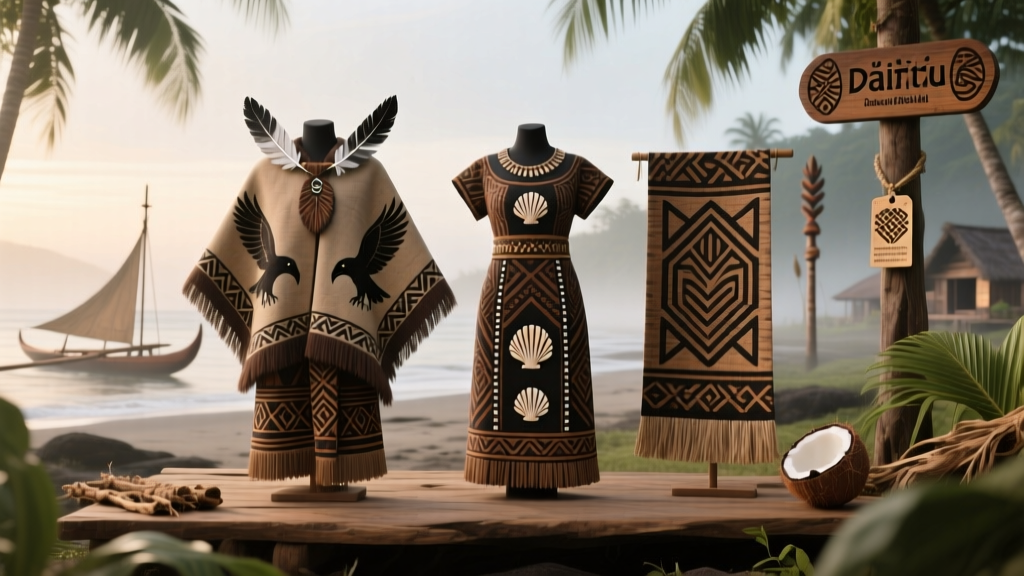
A korowai is a traditional Maori cloak, handwoven from muka (flax fiber) and adorned with feathers, tags, or decorative elements. These prestigious garments represent one of the highest forms of Maori textile art and carry deep cultural significance.
Types of Maori Cloaks
- Korowai: Decorated with hukahuka (tags) and sometimes feathers
- Kahu kiwi: Adorned with kiwi feathers, the most prestigious type
- Kahu huruhuru: Covered entirely with bird feathers
- Kaitaka: Fine cloaks with taniko borders, prized for their silky sheen
- Parawai: Closely woven cloaks offering protection from weather
The Weaving Process
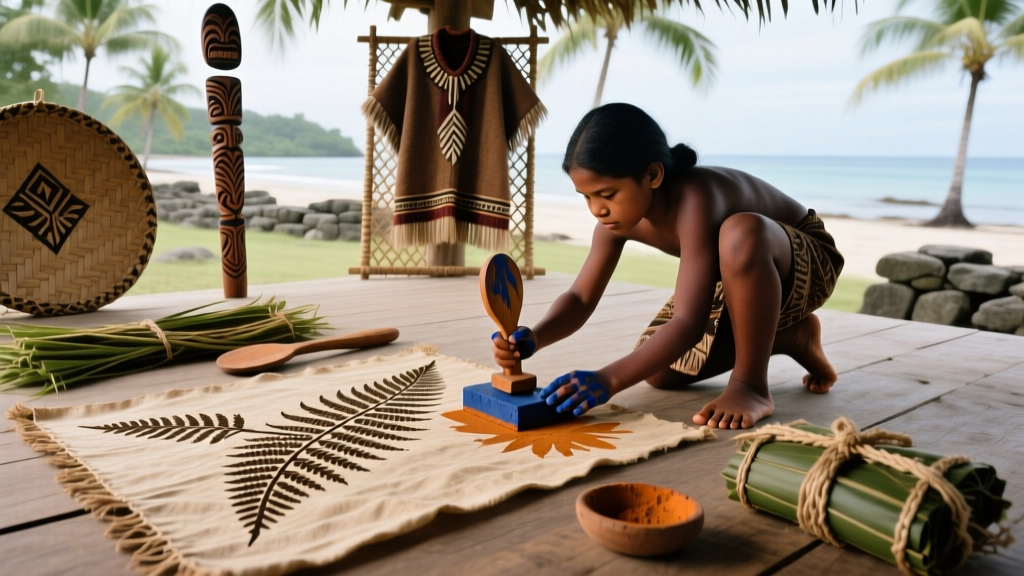
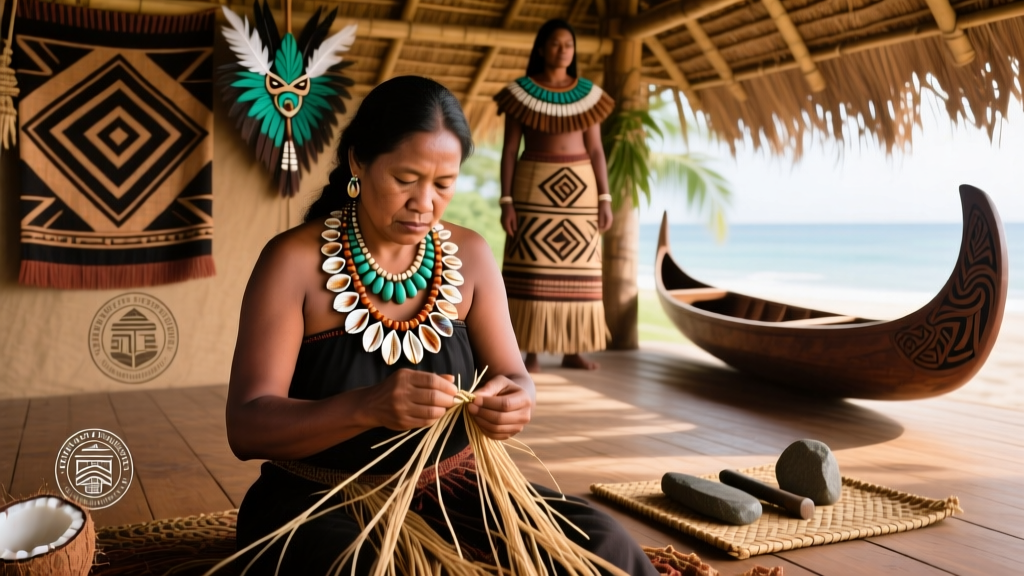
Traditional korowai weaving (raranga) begins with harvesting harakeke (New Zealand flax). The leaves are scraped to extract muka fibers, which are then rolled, dried, and dyed using natural materials. Weaving is done without a loom, using the whatu (finger twining) technique.
Cultural Significance
Korowai embody the mana (prestige) of their wearer and maker. They are worn at significant life events — graduations, weddings, funerals, and investitures. A korowai is often passed down through generations, accumulating stories and prestige with each wearer.
Preservation and Revival
The art of korowai weaving nearly disappeared in the 20th century but has been revived through dedicated teaching programs. Master weavers like Diggeress Te Kanawa ensured the knowledge was passed to new generations through wananga (learning gatherings).