Maori Korowai Cloak Weaving Techniques
The Sacred Art of Korowai
Korowai are prestigious Maori cloaks woven from muka (flax fiber) and adorned with feathers, tassels, and decorative elements. Each cloak represents months or years of meticulous handwork and carries deep cultural significance within Maori communities.
Materials and Preparation
Traditional korowai use harakeke (New Zealand flax) processed through scraping, soaking, and beating to produce fine muka threads. The preparation alone can take weeks, with weavers selecting the best leaves from specific flax varieties known for their fiber quality.
Weaving Methods
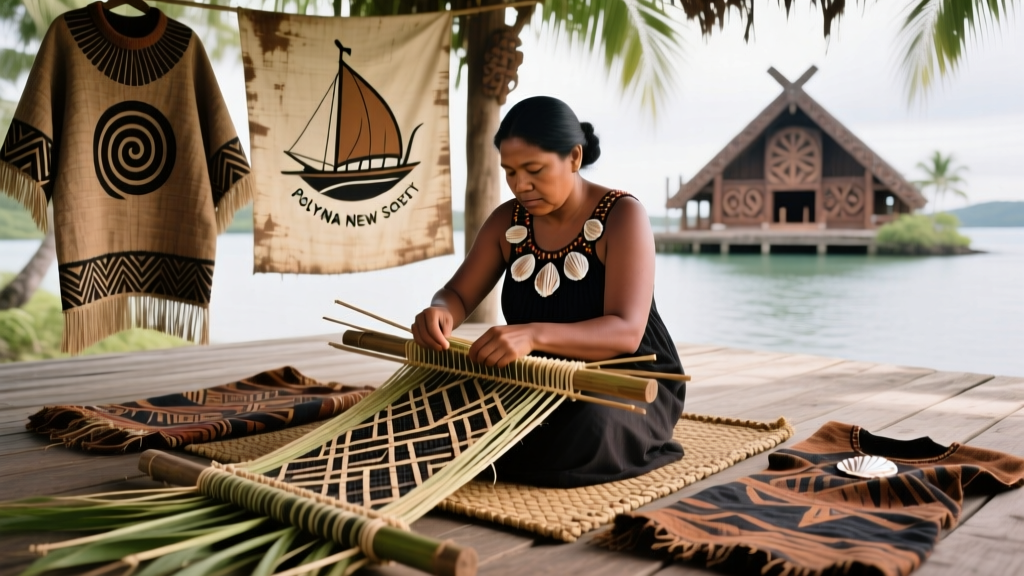
The whatu (finger weaving) technique creates intricate patterns without a loom. Weavers work from the top down, incorporating feathers from native birds like the kereru (wood pigeon) and toroa (albatross). Each pattern carries meaning related to tribal identity, status, and spiritual protection.
Modern Revival
Contemporary Maori weavers are revitalizing korowai traditions through wananga (workshops) and intergenerational teaching. While some adapt modern materials, many maintain strict adherence to traditional methods, ensuring the art form survives for future generations.