Maori Korowai: New Zealand Cloak Weaving

Korowai: The Prestige Cloak of Aotearoa
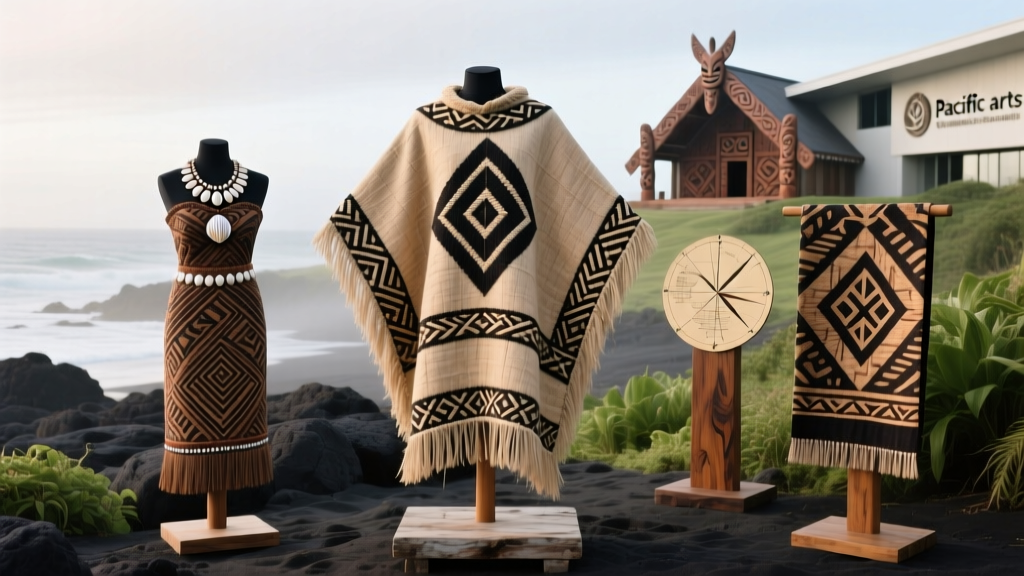
The korowai is the most recognized form of Māori cloak, distinguished by its decorative tassels (hukahuka). These garments hold deep cultural significance in Māori society, symbolizing status, achievement, and spiritual connection.
Types of Māori Cloaks
- Korowai: Decorated with rolled tassels, most common prestige cloak
- Kahu kiwi: Adorned with kiwi feathers, highest prestige
- Kahu huruhuru: Decorated with native bird feathers
- Kākahu: General term for woven cloaks
Weaving Process
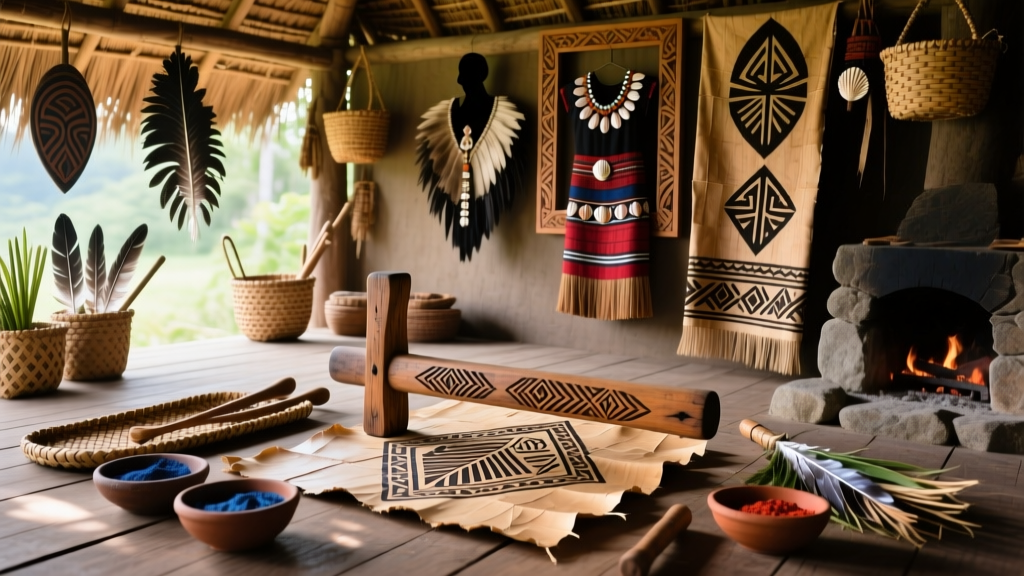
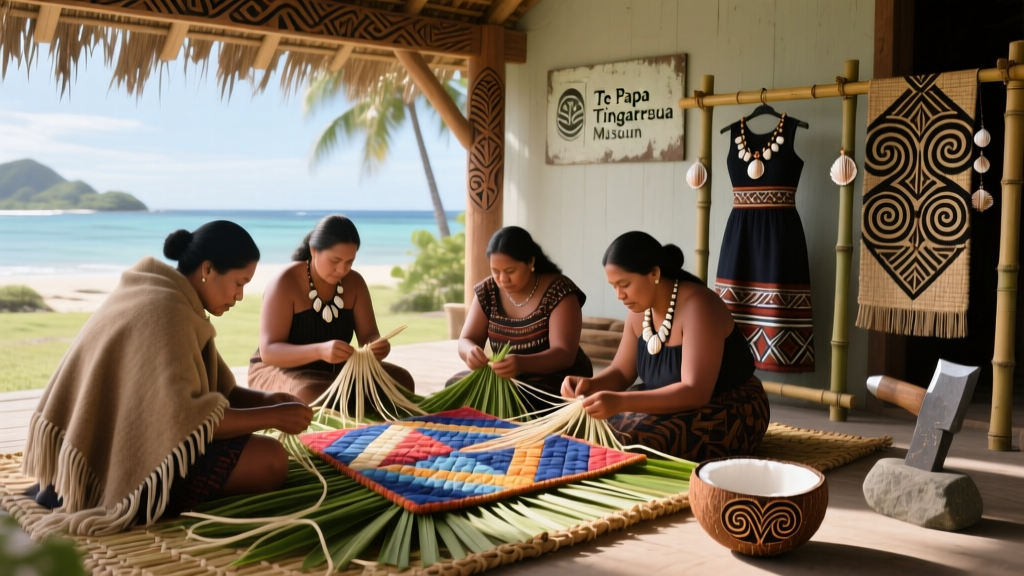
Traditional cloaks are woven from muka (processed flax fiber) using the whatu (finger-weaving) technique. No loom is used — the weaver creates the entire garment by hand, a process taking months or even years.
Cultural Protocols
Cloaks are taonga (treasures) imbued with mana (prestige/authority). They are worn during significant life events — graduations, weddings, funerals — and passed down through generations as family heirlooms.
Contemporary Practice
Māori weavers (raranga practitioners) continue to maintain and innovate these traditions. Organizations like Te Roopu Raranga Whatu o Aotearoa ensure knowledge transmission to new generations.