Hawaiian Kapa: Ancient Cloth, Modern Art

Reviving Hawaii's Sacred Cloth
By 1920, the art of making kapa had virtually disappeared in Hawaii. Missionary influence, imported textiles, and disease had disrupted centuries of continuous practice. Today's kapa makers are rebuilding this tradition from fragments.
Learning from Fragments
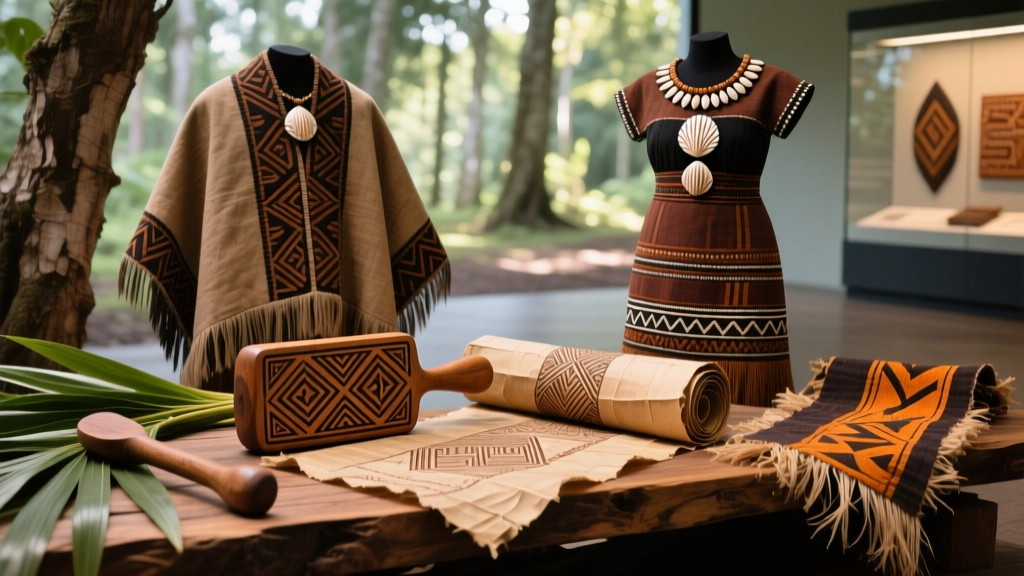
Revivalists studied museum specimens in Honolulu, London, and Boston. They analyzed fiber structures, dye compounds, and beater patterns. Elder practitioners shared remaining knowledge. Each discovery added another piece to the puzzle.
Growing the Materials
Kapa makers cultivate wauke (paper mulberry) gardens, selecting varieties for fiber quality. They also maintain 'ōlena (turmeric), noni, and other dye plants. This agricultural dimension connects kapa making to the Hawaiian concept of mālama 'āina — caring for the land.
Artistic Innovation
Contemporary kapa makers honor tradition while exploring new forms. Some create large-scale art pieces for galleries. Others incorporate kapa into modern clothing and home décor. The art breathes again, rooted in ancestral knowledge but reaching toward the future.