Hawaiian Kapa: Bark Cloth Art & Pacific Island Heritage

The Art of Kapa Making
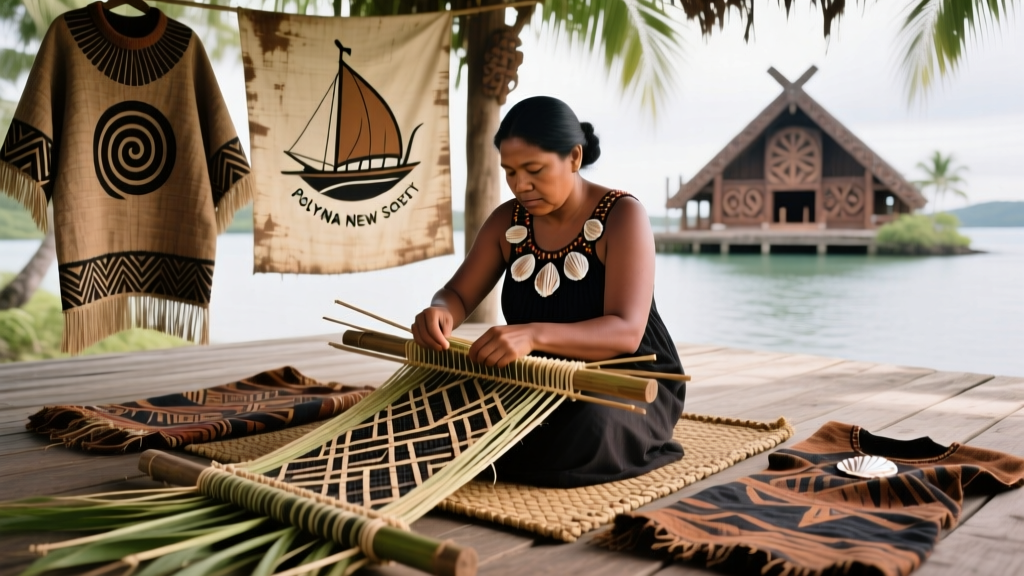
Kapa (also called tapa across the Pacific) is a bark cloth produced by Native Hawaiians from the inner bark of the wauke (paper mulberry) plant. This ancient craft involves beating, fermenting, and decorating bark strips into large sheets used for clothing, bedding, and ceremonial purposes.
Production Process
The wauke bark is first soaked in seawater for several days to soften. Women then beat the bark on stone anvils (kua kapa) using carved wooden beaters (i'e kapa), gradually widening and thinning the fibers. Multiple layers are felted together using starch paste, creating sheets up to 3 meters wide.
Decorative Techniques
- Watermarking: Carved beaters imprint geometric patterns into the cloth surface
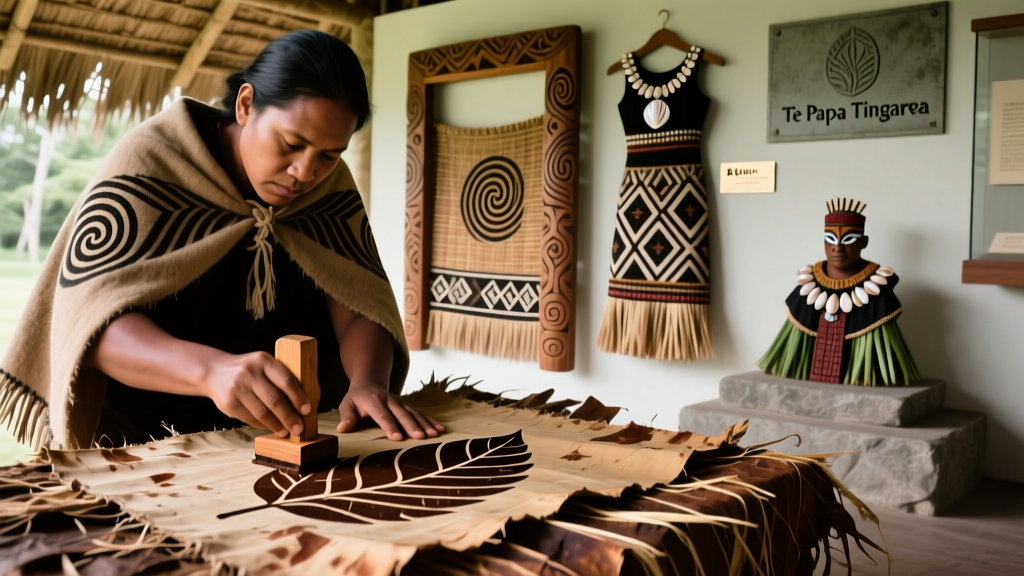
- Printing (pa'i'ula): Bamboo stamps (ohe kapala) apply repeating motifs with natural dyes
- Painting: Freehand designs using pigments from turmeric (yellow), kukui nut (brown), and noni root (red)
- Scenting: Infusing kapa with fragrant plants like maile, sandalwood, or mokihana berries
Cultural Uses
Kapa served as clothing (malo for men, pa'u for women), bed covers (kapa moe), and sacred temple wrappings. High-ranking ali'i (chiefs) wore kapa printed with exclusive patterns that communicated their genealogy and rank. Kapa also wrapped iwi (bones) for burial in sacred caves.
Revival Movement
The Hawaiian cultural renaissance of the 1970s sparked renewed interest in kapa making. Master practitioners like Marie McDonald and the late Malia Solomon documented techniques from museum specimens and elder practitioners. Today, organizations like the Bishop Museum and Ka Haka Ula O Ke'elikolani College support kapa workshops, ensuring this ancient Pacific art form endures.