Hawaiian Kapa: Sacred Bark Cloth Art

Kapa: Hawaii's Bark Cloth Renaissance
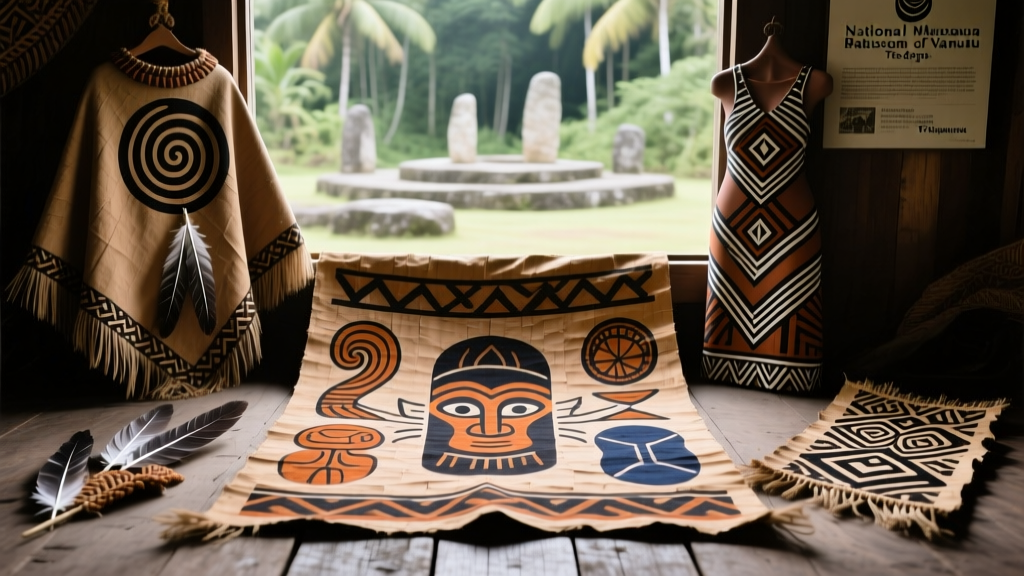
Kapa (bark cloth) was once the primary fabric of Hawaiian life — used for clothing, bedding, ceremonial objects, and religious offerings. By the early 20th century, the art had nearly vanished. Today, a cultural renaissance has brought kapa back to life.
Traditional Process
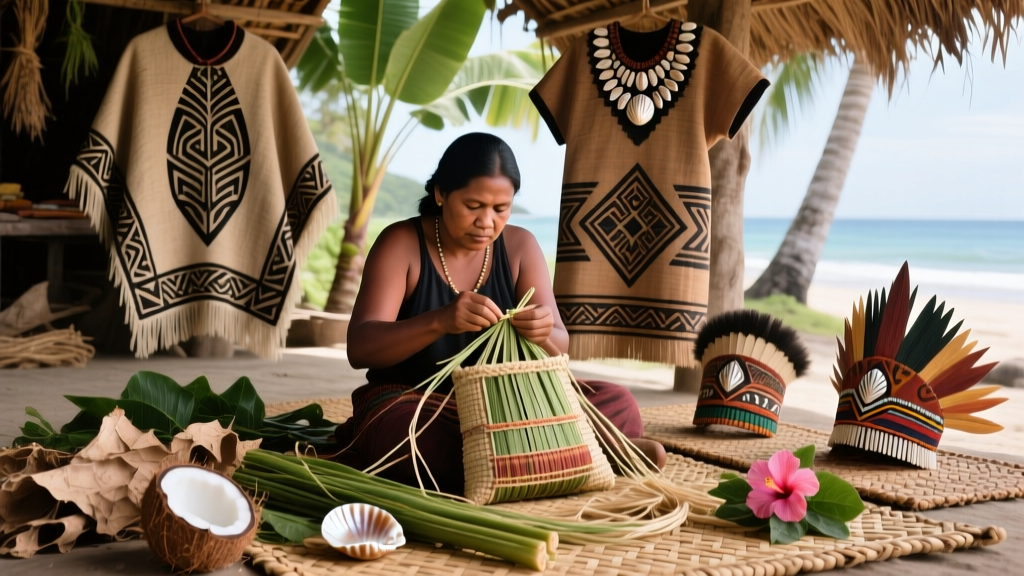
Hawaiian kapa is made primarily from the wauke (paper mulberry) plant. The bark is soaked, then beaten on stone or wooden anvils with patterned beaters (i'e kuku). Unique to Hawaii, the beating process creates distinctive watermark patterns visible in the finished cloth.
Dyes and Designs
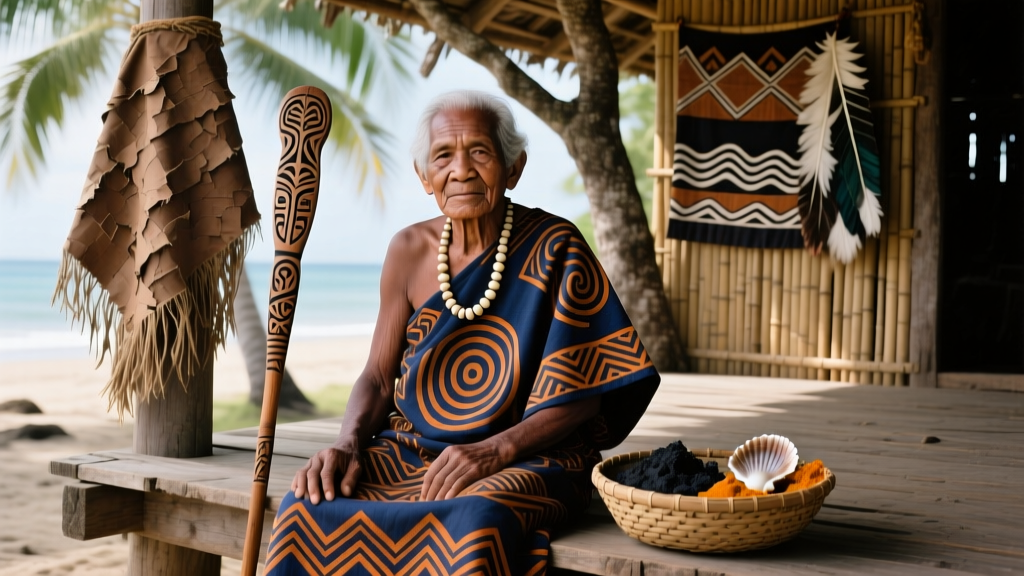
Traditional dyes come from native plants: 'ōlena (turmeric) for yellow, 'uki'uki (Hawaiian lily) for blue, noni bark for red, and kukui nut soot for black. Designs are applied by stamping, painting, or incorporating patterns during beating.
Cultural Revival
Pioneers like Puanani Van Dorpe and Marie McDonald led the kapa revival from the 1970s onward, studying museum specimens and oral histories. Today, kapa makers across the islands continue this practice, connecting with ancestors through every beat of the mallet.