Fijian Masi: Tapa Cloth Traditions
Jonas Cole·Published

Cloth of the Islands
In Fiji, masi (bark cloth) holds profound cultural significance. Made from the paper mulberry tree, this ancient textile art continues to play a central role in ceremonies and daily life.
Making Masi
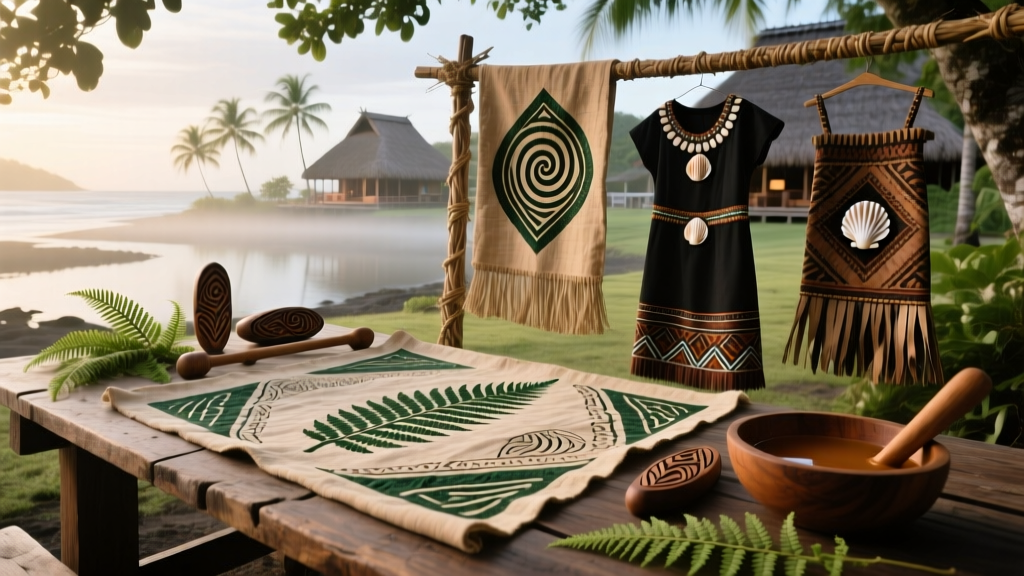
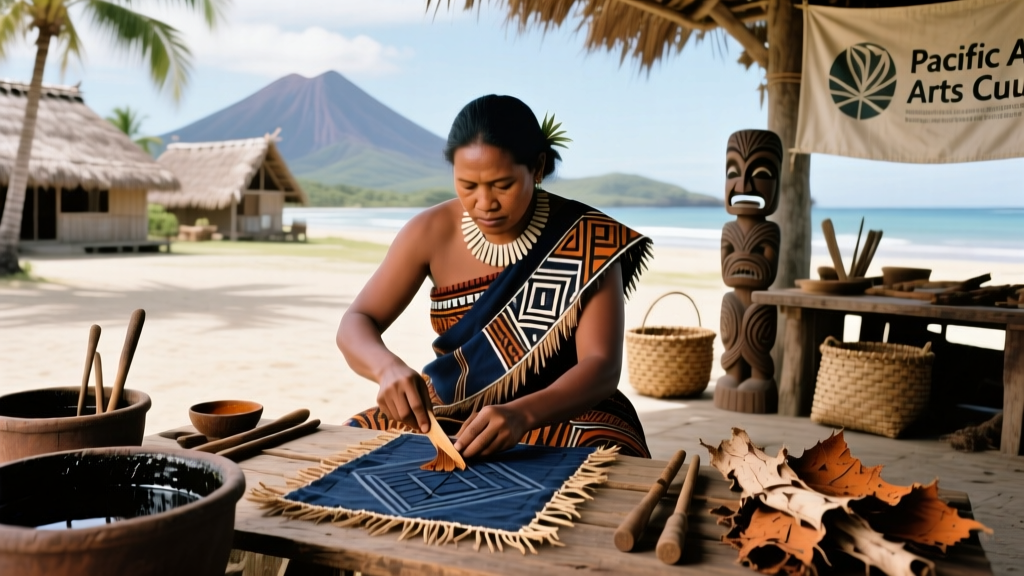
Women strip the inner bark, soak it in seawater, then beat it with wooden clubs called ike. The rhythmic beating of masi is a familiar sound in Fijian villages.
Types of Masi
- Masi kesa: Decorated with geometric stencils using natural brown and black dyes
- Masi bolabola: Features fringed edges for ceremonial use
- Masi kuvui: Smoked cloth with a distinctive brown tone
Ceremonial Use
Masi is essential for weddings, funerals, and chiefly installations. Large pieces are presented as gifts between families, symbolizing respect and social bonds.