Uzbek Ikat: Vibrant Silk Road Textile

Uzbek Ikat: Vibrant Silk Road Textile
Uzbek ikat — known locally as abrbandi (from the Persian "abr" meaning cloud and "bandi" meaning to tie) — is one of the most visually stunning textile traditions in the world. Characterized by bold, blurred-edge patterns in jewel-tone colors, Uzbek ikat represents the pinnacle of Central Asian silk craftsmanship and a living legacy of the Silk Road.
The Ikat Technique
Ikat is a resist-dye technique where threads are tightly bound with string at specific intervals before dyeing. The bound sections resist the dye, creating patterns when the threads are woven. What makes Uzbek ikat distinctive is that only the warp threads are dyed (warp ikat), while the weft remains a single color. The slight misalignment of dyed sections during weaving creates the characteristic blurred, shimmering edges.
Historical Centers
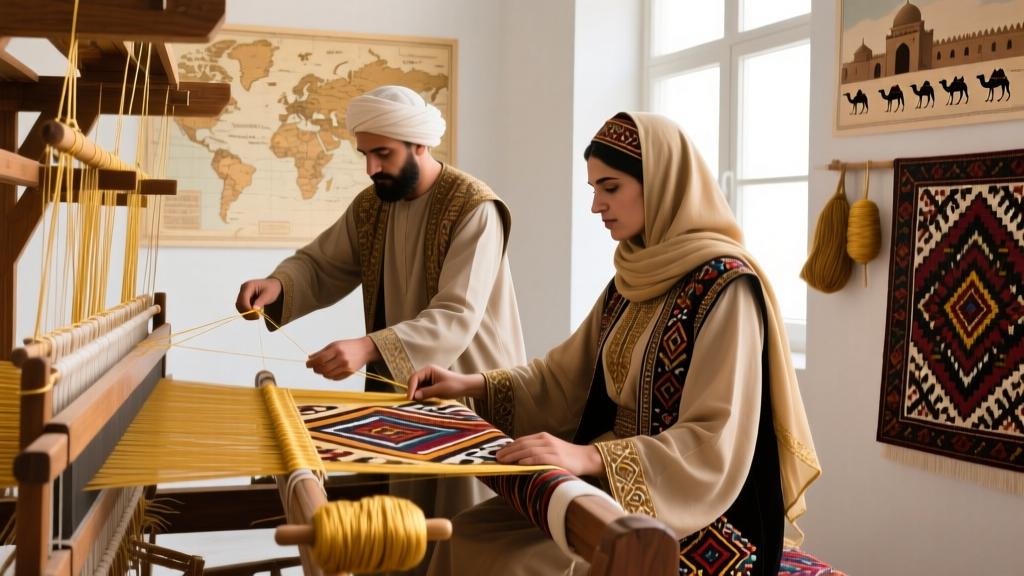
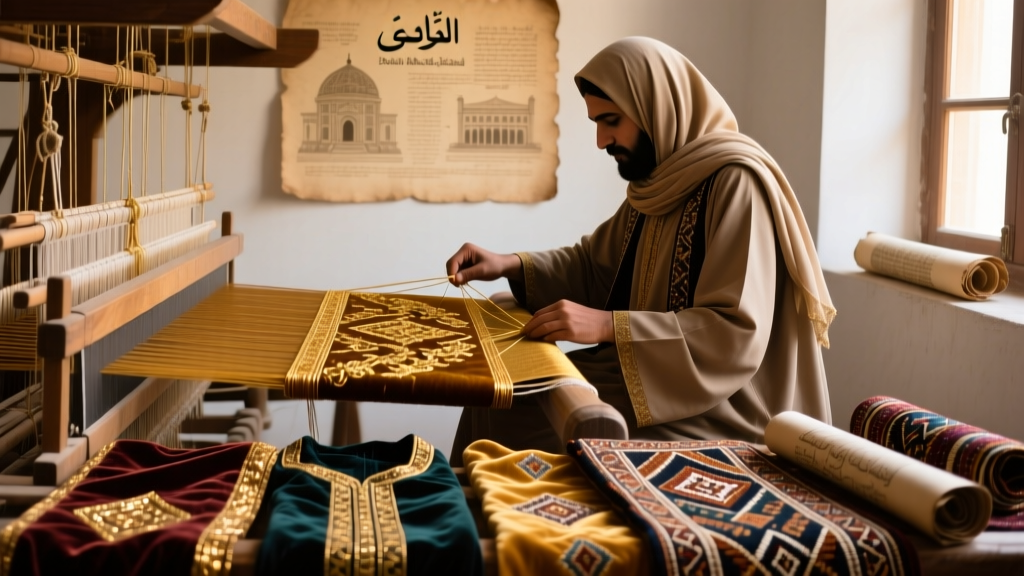
The great ikat-weaving centers of Central Asia were Bukhara, Samarkand, and the Fergana Valley. In the 19th century, Bukhara's Jewish quarter was particularly renowned for its ikat production, with Jewish and Muslim weavers working side by side. The finest khan atlas (royal silk) ikats were reserved for the courts of the Emirs of Bukhara and the Khans of Khiva.
Color Palette
Traditional Uzbek ikat uses natural dyes derived from plants, insects, and minerals:
- Indigo: Deep blues from the indigofera plant
- Madder root: Warm reds and oranges
- Pomegranate rind: Yellows and golds
- Walnut husks: Browns and blacks
- Cochineal: Brilliant crimson from scale insects
Modern Revival
After decades of decline under Soviet industrialization, Uzbek ikat is experiencing a renaissance. Master weavers in Margilan (Fergana Valley) have revived traditional techniques, and the government has supported ikat production as cultural heritage. International designers have embraced Uzbek ikat, with Oscar de la Renta, Etro, and Gucci incorporating ikat patterns into their collections. The annual Silk and Spices Festival in Bukhara celebrates the living tradition of Central Asian textiles.