Uzbek Ikat: Bold Silk Road Color and Pattern
Hannah Wickes·Published

Adras and Atlas: The Ikat Tradition
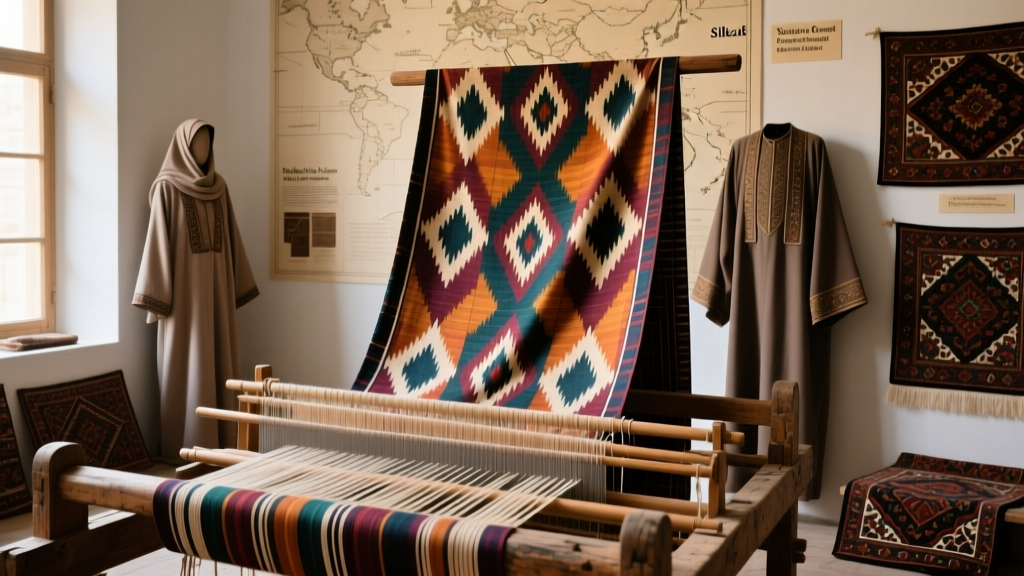
Uzbek ikat — known locally as adras (silk-cotton blend) and atlas (pure silk) — is one of Central Asia's most recognizable textile traditions. The bold, feathered patterns result from resist-dyeing the warp threads before weaving.
The Resist-Dyeing Process
Bundles of warp threads are tightly bound at specific points, then dipped in successive dye baths. The bound areas resist the dye, creating the characteristic blurred-edge patterns. Each color requires a separate binding and dyeing cycle.
Color Palettes by Region
- Margilan: vibrant pinks, greens, and yellows on white ground
- Bukhara: deep reds and indigos with gold accents
- Samarkand: earth tones with geometric patterns
Modern Revival
After decades of Soviet-era industrial production, traditional handwoven ikat has experienced a renaissance. Designers like Munisat Mukhamedjanova have brought Uzbek ikat to international runways while preserving traditional dyeing methods.