Turkmen Ikat Silk: Central Asias Bold Resist-Dye
Bold Patterns of the Steppe
Turkmen ikat is one of the most visually striking textile traditions in Central Asia. The technique involves tie-dyeing the warp threads before weaving, creating characteristic blurred-edge patterns in bold colors — primarily deep reds, vibrant yellows, and rich indigo blues.
The Dyeing Process
Silk threads are bound in sections with waxed cotton or rubber strips before immersion in dye baths. Multiple rounds of binding and dyeing create multi-colored patterns. The characteristic feathered edges of ikat patterns result from slight shifting of the threads during weaving.
Traditional Garments
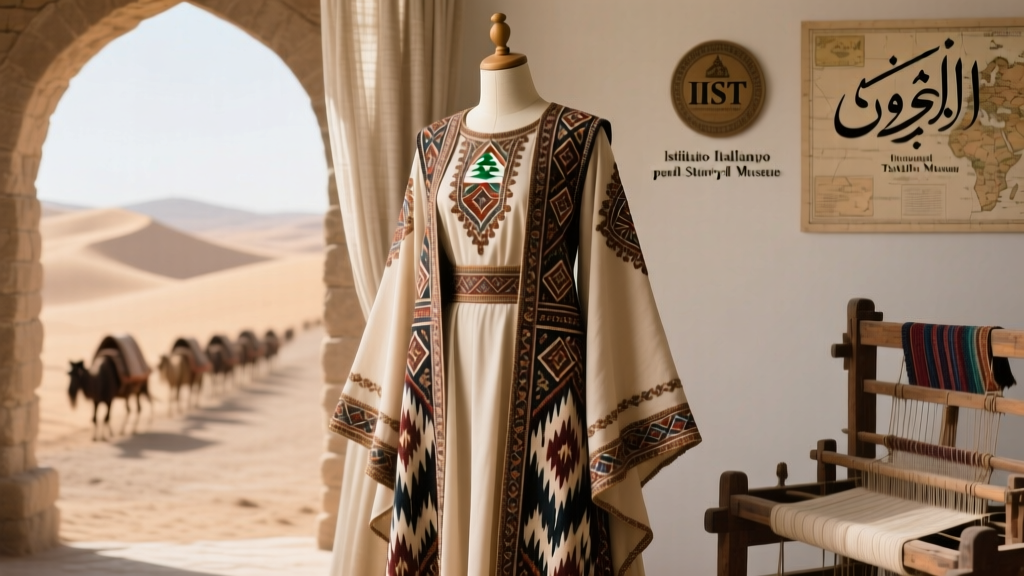
Turkmen ikat silk was traditionally used for chapans (long coats), dresses, and robes. The finest ikat was reserved for special occasions and as diplomatic gifts. Turkmen ikat chapans were valued trade goods along the Silk Road.
Modern Revival
After decades of decline under Soviet rule, Turkmen ikat is experiencing a revival. Artisans in Bukhara and Samarkand are recreating historical patterns using traditional natural dyes, while contemporary designers incorporate ikat into modern fashion.