Kurdish Kras: Embroidered Shirt Traditions
The Kras: Foundation of Kurdish Dress
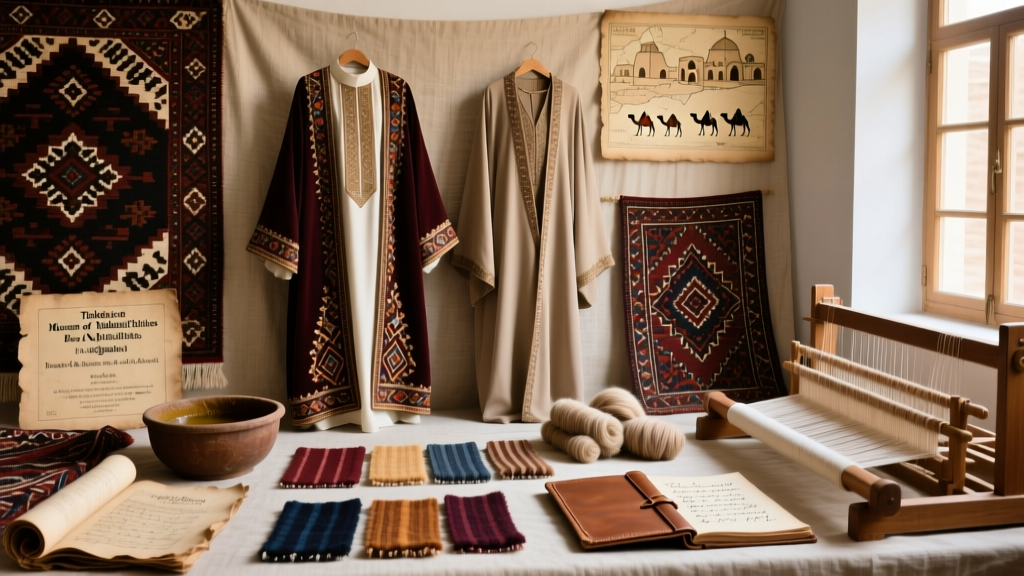
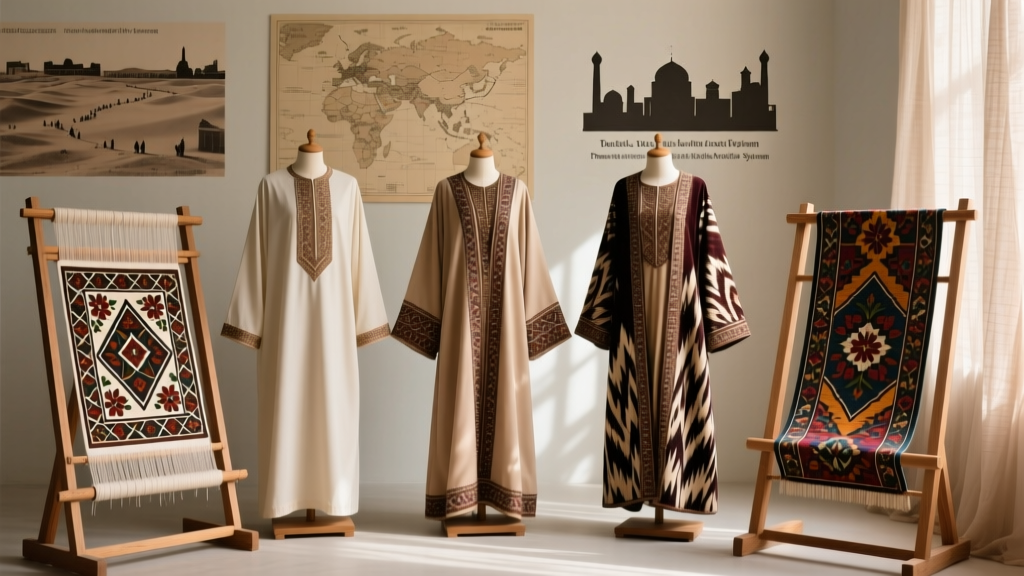
The kras is a long, loose-fitting shirt that forms the base layer of traditional Kurdish clothing for both men and women. Typically made from cotton or silk, the kras is distinguished by elaborate embroidery along the neckline, cuffs, and front panel. Among Kurdish communities spanning Turkey, Iraq, Iran, and Syria, the kras serves as both everyday garment and ceremonial piece, with the quality and complexity of embroidery reflecting the wearer's regional origins and social standing.
Embroidery Techniques by Region
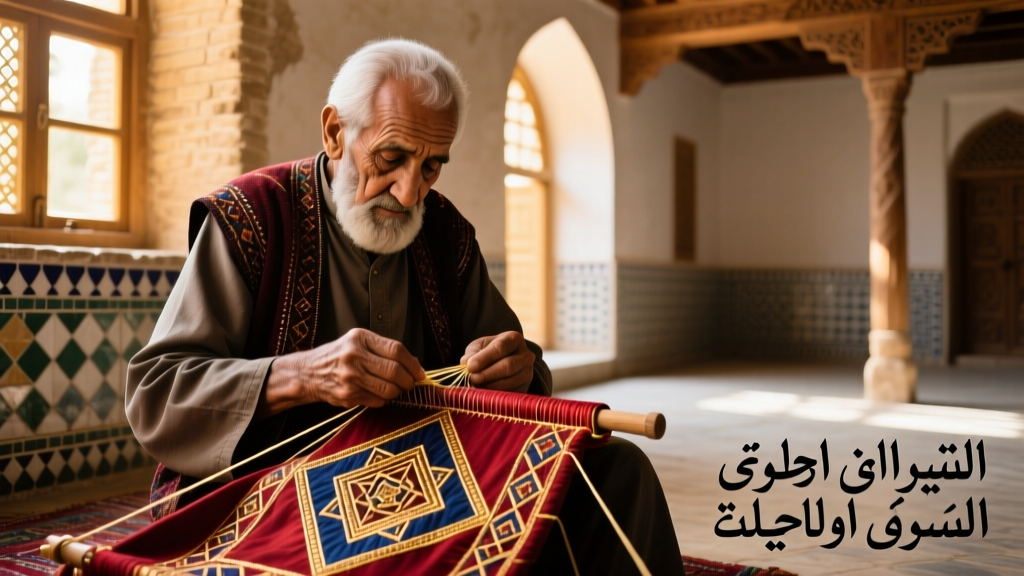
Kurdish embroidery techniques vary significantly across regions. In the Sorani-speaking areas of Iraqi Kurdistan, gold and silver thread couching creates shimmering geometric patterns. The Kurmanji regions of Turkey and Syria favor counted thread work in bold reds, greens, and yellows. Iranian Kurdish communities in Kermanshah and Sanandaj practice a distinctive satin stitch technique that creates dense, tapestry-like coverage on the fabric surface.
- Sorani style: metallic thread couching, geometric motifs
- Kurmanji style: counted cross-stitch, vibrant primary colors
- Hewrami style: fine satin stitch, nature-inspired patterns
- Kalhor style: mirror work combined with silk embroidery
Symbolic Color Choices
Colors in Kurdish embroidery carry deep meaning. Red represents courage and vitality, green symbolizes the Kurdish homeland and nature, yellow stands for the sun and enlightenment, and white reflects purity and peace. The Newroz festival (Kurdish New Year) sees the most elaborate kras garments displayed, with families wearing their finest embroidered pieces to celebrate spring and cultural continuity.
Contemporary Revival
A growing movement among Kurdish designers blends traditional kras embroidery with modern silhouettes. Fashion houses in Erbil and Sulaymaniyah now produce ready-to-wear kras-inspired shirts, jackets, and dresses that carry forward the symbolic language of the embroidery while reaching younger audiences who might otherwise abandon traditional dress.