Kurdish Embroidery Heritage Craft
Stitched Identity
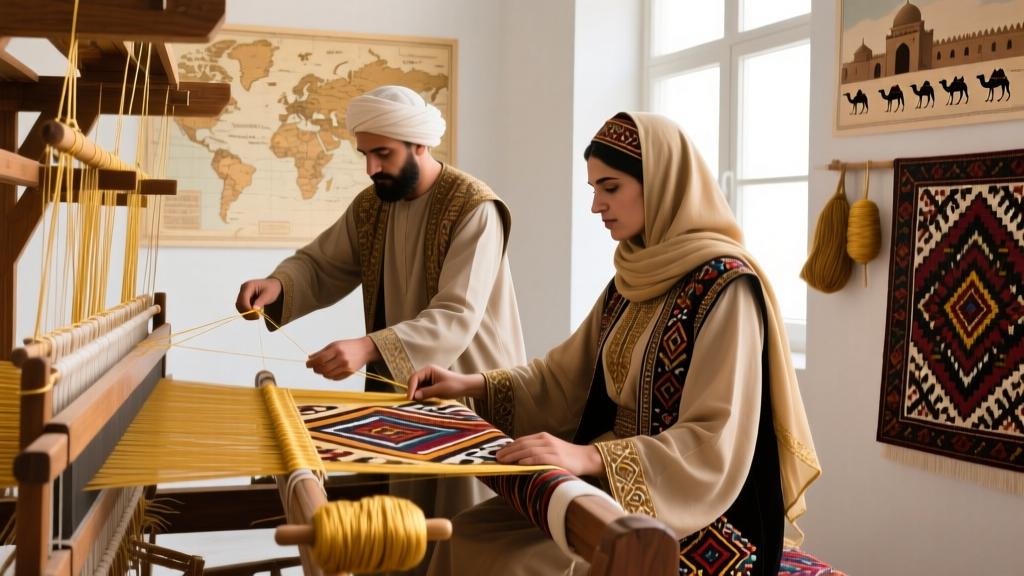
Kurdish embroidery is a vibrant needlework tradition practiced across Kurdistan — a cultural region spanning parts of Turkey, Iraq, Iran, and Syria. For Kurdish communities, embroidery is more than decoration: it is a visual language that preserves cultural identity in the face of political fragmentation and displacement.
Regional Styles
Kurdish embroidery varies significantly by region:
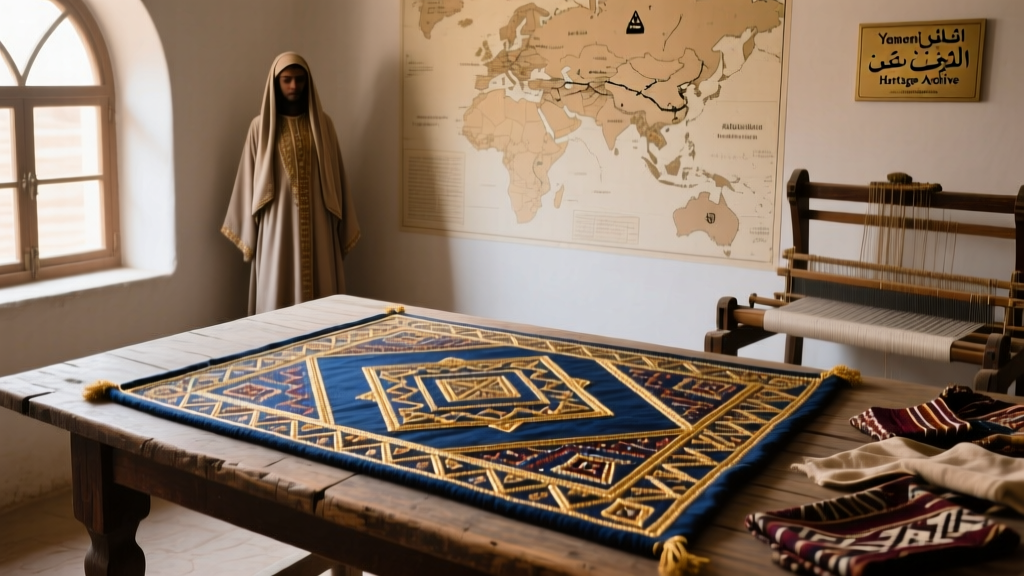
- Southeastern Turkey (Bakur) — bold geometric patterns in gold and silver thread on dark velvet
- Iraqi Kurdistan (Bashur) — colorful floral motifs on traditional dress and household textiles
- Iranian Kurdistan (Rojhilat) — fine cross-stitch patterns with mirror-work embellishments
- Syrian Kurdistan (Rojava) — simpler geometric designs in primary colors
Techniques and Materials
Traditional Kurdish embroidery employs several techniques:
- Couching — gold or silver thread laid on the surface and stitched down
- Cross-stitch — counted-thread geometric patterns
- Chain stitch — flowing lines and floral curves
- Mirror work — small mirrors incorporated into designs for protective symbolism
Cultural Preservation
With Kurdish communities dispersed across multiple countries and diaspora populations worldwide, embroidery has become a vehicle for cultural preservation. Womens cooperatives in Iraqi Kurdistan and diaspora organizations in Europe teach traditional techniques to younger generations, ensuring that regional patterns and color palettes survive despite political upheaval.