Afghan Kuchi Dress: Nomad Textile Art

Kuchi Dress: Afghanistan's Nomadic Fashion Heritage
The Kuchi (also Kochi) are Afghanistan's nomadic Pashtun tribes, historically migrating seasonally between highland summer pastures and lowland winter grounds. Their distinctive dress — heavily embroidered, coin-encrusted, and vividly colored — is one of Central Asia's most visually striking textile traditions, born from the practical demands of a nomadic lifestyle.
Women's Kuchi Dress
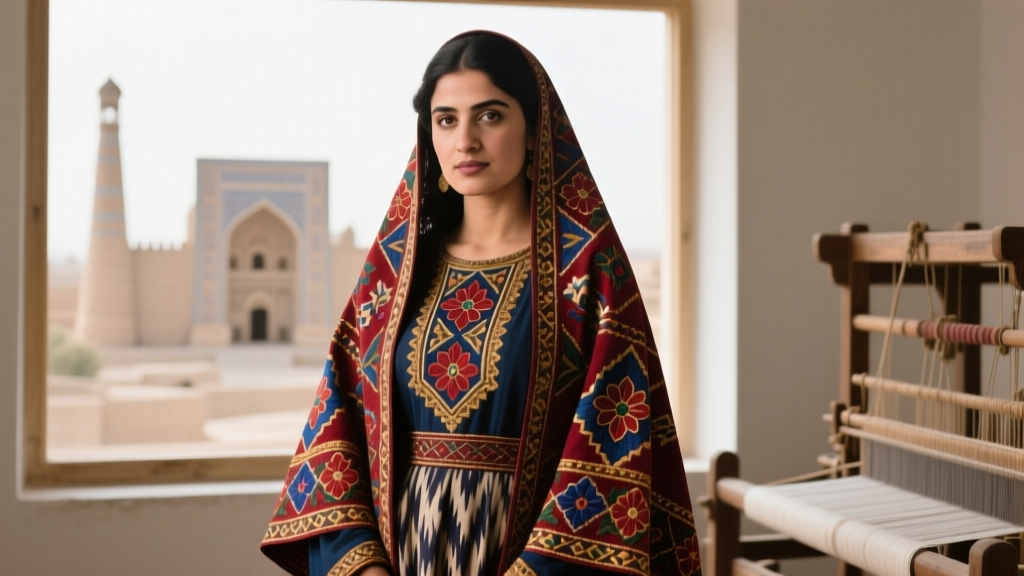
- Base garment: A long, loose dress in dark cotton or velvet (black, deep blue, or burgundy), serving as a canvas for elaborate decoration.
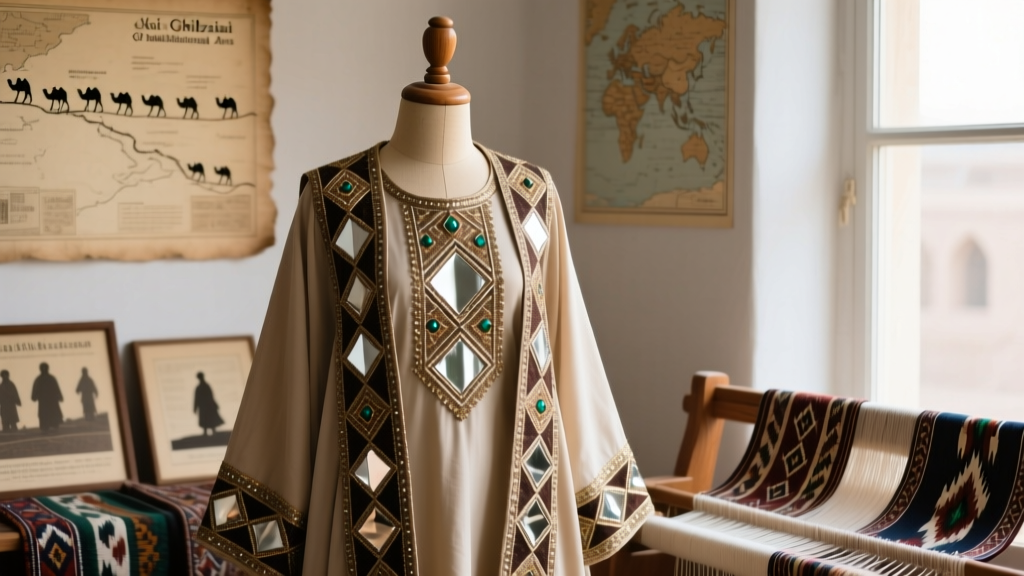
- Embroidery: Dense cross-stitch and mirror work (sheesha) covering the bodice, cuffs, and hem. Patterns are geometric — diamonds, stars, and zigzags in hot pink, orange, green, and gold threads.
- Coins and bells: Afghan silver coins, Pakistani rupees, and small brass bells are sewn along edges, creating both visual dazzle and a gentle jingling sound during movement.
Functional Design
Every element of Kuchi dress serves a nomadic purpose. The heavy embroidery reinforces stress points (making the garment more durable during migration). Coins functioned as portable wealth — a woman's fortune literally worn on her body, safe from theft during travel. The dark base color hides dust and dirt from the road.
Headwear
Kuchi women wear elaborate headpieces combining embroidery, coins, beadwork, and sometimes small mirrors. The chadari (full-body covering) is distinct from the urban burqa — it's typically brightly colored with open-work embroidery panels that allow visibility.
Contemporary Market
Vintage Kuchi dresses have become popular in Western bohemian fashion markets. Authentic pieces (20+ years old, hand-embroidered) sell for $100–500 depending on condition and decoration density. However, increased demand has led to "new old stock" — recently made pieces artificially aged to appear vintage. Genuine antiques show natural wear, faded threads, and tarnished coins.