What Is Traditional Mexican Clothing? A Comprehensive Cultural Guide
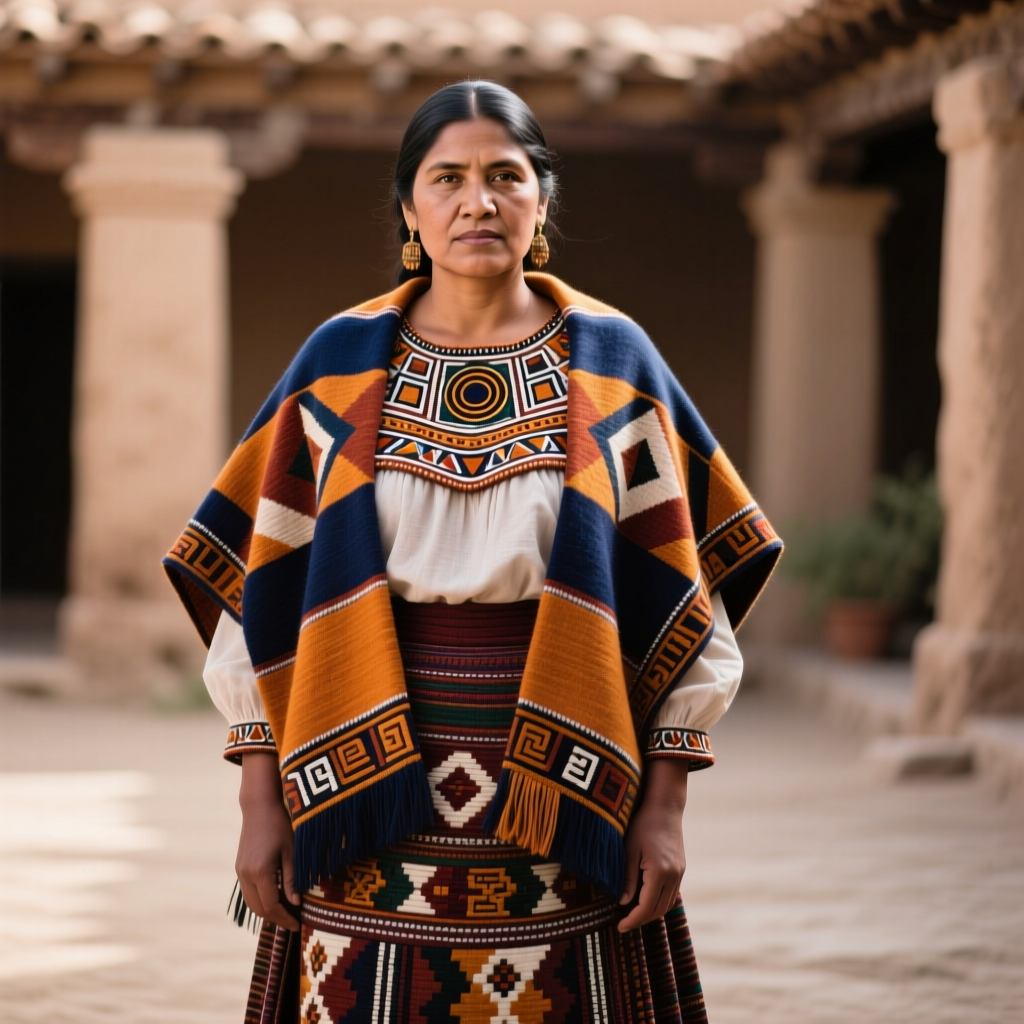
When we think of traditional Mexican clothing, images of vibrant colors, intricate embroidery, and sweeping silhouettes immediately come to mind. However, the traditional garments of Mexico are far more than just visually striking attire; they are profound historical documents woven into the very fabric of the nation. From the ancient Mesoamerican civilizations to the colonial era and into contemporary times, Mexican clothing tells a story of resilience, syncretism, and deep cultural pride. At The Garment Atlas, we believe that understanding a culture requires examining the textiles its people wear. This comprehensive guide explores the origins, characteristics, regional variations, and enduring cultural significance of traditional Mexican clothing.
The Origins and Evolution of Mexican Garments
The story of Mexican fashion begins thousands of years before the arrival of European colonizers. In pre-Columbian Mesoamerica, civilizations such as the Aztecs, Mayans, Zapotecs, and Mixtecs developed highly sophisticated textile traditions. Because the climate in many regions was warm, clothing was generally minimal but deeply symbolic. Women typically wore a huipil (a loose-fitting tunic) and a wrap-around skirt, while men wore a maxtlatl (loincloth) and a tilmatli (a cape or cloak). The status, lineage, and community of the wearer were instantly recognizable through the garment’s weave, color, and motifs.
The primary tool for creating these early textiles was the backstrap loom, an ingenious device that uses the weaver’s body weight to maintain tension on the warp threads. Indigenous artisans spun fibers from native cotton, agave (maguey), and yucca plants. They also mastered the art of natural dyes in textiles, utilizing cochineal insects for brilliant reds, indigo plants for deep blues, and various barks and flowers for yellows and browns.
The Spanish conquest in the 16th century introduced a massive paradigm shift. European colonizers brought new materials such as wool, silk, and linen, as well as the pedal loom, which allowed for wider and longer pieces of fabric to be woven much faster. The Spanish also imposed European standards of modesty, requiring indigenous populations to adopt more covering garments. This forced collision of worlds resulted in a beautiful sartorial syncretism. Indigenous weavers began incorporating European motifs, such as pomegranates and religious iconography, alongside their traditional flora & fauna designs, giving birth to the hybrid aesthetic that defines traditional Mexican clothing today.
Key Characteristics and Materials
Traditional Mexican clothing is globally celebrated for its distinct characteristics, which serve both aesthetic and functional purposes. The most defining feature is undoubtedly the use of vibrant, contrasting colors. While modern synthetic dyes are common today, the historical palette was derived from the rich biodiversity of the Mexican landscape. The striking reds, deep purples, and vibrant yellows were not just decorative; they often held spiritual significance, representing the sun, the earth, blood, and the divine.
Embroidery is another cornerstone of Mexican garment design. Unlike European traditions where embroidery was often reserved for the elite, in Mexico, it became a universal language of identity. Techniques vary wildly from region to region. For example, the intricate cross-stitch of the Yucatán Peninsula contrasts sharply with the smocking and drawn-thread work of Oaxaca. Artisans spend hundreds of hours embroidering a single garment, weaving geometric patterns, mythical creatures, and local flora into the fabric. To learn more about these specific techniques, explore our archive on indigenous textile heritage.
The materials used are equally diverse. While cotton remains the most prevalent fiber due to the warm climate, high-altitude regions like Chiapas and the central highlands rely heavily on wool to provide warmth against the mountain chill. Silk, introduced by the Spanish and later cultivated in regions like Oaxaca, is often blended with cotton to add a luxurious sheen to festival garments. The tactile quality of these hand-spun and hand-woven fibers gives traditional Mexican clothing a unique, organic texture that mass-produced fabrics simply cannot replicate.
Iconic Pieces of Traditional Mexican Clothing
To truly understand what traditional Mexican clothing is, one must become familiar with its most iconic garments. Each piece has a specific history, function, and cultural weight.
The Huipil
The huipil is perhaps the most ubiquitous and ancient garment in Mexico. It is essentially a sleeveless tunic made from two or three rectangular pieces of fabric joined together, leaving openings for the head and arms. The huipil is a canvas for indigenous identity; the specific patterns, colors, and weaving techniques can identify the wearer’s exact village, marital status, and social standing. In many communities, a woman will weave her own huipils, embedding her personal history and prayers into the warp & weft of the cloth.
The Rebozo
The rebozo is a long, flat garment that functions as a shawl, scarf, and carrying aid. Its origins are a blend of indigenous cloaks and Spanish mantillas. The rebozo is incredibly versatile: it can be wrapped around the shoulders for warmth, used to carry a baby or heavy market goods, or worn elegantly over the head in church. The history of the rebozo is deeply tied to Mexican womanhood, symbolizing both maternal care and feminine grace.
The Quechquémitl
Worn primarily by the Nahua, Otomi, and Huastec peoples of central Mexico, the quechquémitl is a short, poncho-like shoulder garment. It is constructed from two rectangular pieces of fabric woven on a backstrap loom and sewn together in a way that creates a diamond shape when worn. Often heavily embroidered with animals and stars, it is a vital component of ceremonial dress.
The Sarape and Jorongo
The sarape is a blanket-like shawl or cloak, typically worn by men, characterized by its bright, banded colors and fringed ends. The town of Saltillo in Coahuila is famous for its finely woven, diamond-patterned sarapes. A jorongo is a similar garment but tailored with a slit for the head, functioning more like a poncho. These garments were essential for cowboys and rural workers facing the harsh elements of the northern deserts and central plains.
The Guayabera
While its exact origins are debated across Latin America, the guayabera is a staple of men’s formal and casual wear in tropical regions of Mexico, particularly Veracruz and the Yucatán. It is a lightweight linen or cotton shirt featuring vertical pleats (alforzas) and multiple pockets. It is designed to be worn untucked, providing maximum airflow in humid climates while maintaining a sharp, elegant appearance.
The Charro Suit
The traje de charro is the iconic suit of the Mexican horseman. Originating from the haciendas of the colonial era, it features tight-fitting trousers adorned with silver buttons (botaduras) down the sides, a short, heavily embroidered jacket, and a wide-brimmed sombrero. The charro suit is a symbol of national pride, horsemanship, and the romanticized rural history of Mexico.
Regional Variations Across Mexico
Mexico is a vast country with diverse climates, topographies, and indigenous groups. Consequently, traditional Mexican clothing varies dramatically from state to state.
Oaxaca: The Land of the Tehuana
Oaxaca is widely considered the textile heart of Mexico. The state is home to the Zapotec and Mixtec peoples, renowned for their Oaxacan weaving traditions and mastery of natural dyes. The most famous regional garment is the Tehuana dress, worn by the women of the Isthmus of Tehuantepec. This society is historically matriarchal, and the women’s clothing reflects their power and wealth. The ensemble includes a heavily embroidered velvet huipil, a matching skirt with a wide lace ruffle, and an elaborate floral headdress. This specific look famously inspired the artist Frida Kahlo, who adopted the Tehuana dress as her personal uniform to express her Mexican identity and feminist ideals.
Chiapas: The Magic of the Highlands
In the cool, mountainous region of Chiapas, the indigenous Tzotzil and Tzeltal communities create heavy, warm textiles. The traditional clothing of San Juan Chamula is particularly striking; men wear thick, black or white wool tunics that resemble fleece, while women wear dark, heavily brocaded skirts and blouses. Further south, the Chiapaneca dress from Chiapa de Corzo features a spectacular, wide-brimmed headdress and a black satin skirt heavily embroidered with vibrant, sprawling floral motifs using silk thread.
Yucatán: The Elegance of the Terno
The traditional dress of the Yucatán Peninsula, known as the terno, reflects the heavy European influence on the Maya people of the region. It consists of three pieces: a square-necked yoke (hipil), a fitted bodice (jubón), and a long, flowing skirt (fustán). The pristine white cotton is adorned with intricate, colorful cross-stitch embroidery, often depicting local flowers and vines, and finished with delicate lace trim. It is a garment of immense elegance, worn with pride during regional festivals and jarana dances.
Jalisco: The Adelita and the Charro
Jalisco is the birthplace of mariachi music and the charro tradition. The traditional women’s dress, often associated with the "Adelita" (the women soldiers of the Mexican Revolution), features a wide, sweeping skirt with ribbons sewn into the hem, paired with a high-necked, long-sleeved blouse. When performing the Jarabe Tapatío (the Mexican Hat Dance), the swirling of this massive skirt creates a visual representation of the Mexican flag.
Occasions and Everyday Wear
While modern Western clothing is the standard for daily life in urban Mexican centers, traditional garments remain deeply embedded in both rural life and national celebrations. In many indigenous communities, the huipil and wrap skirt are still worn as everyday attire, serving as a daily reaffirmation of community ties and ancestral pride.
However, it is during festivals and ceremonies that traditional Mexican clothing truly shines. During the Day of the Dead (Día de los Muertos), women often dress as La Catrina, wearing elaborate, Victorian-inspired lace dresses and wide-brimmed hats adorned with marigolds, a nod to the blending of European and indigenous views on mortality. During Independence Day celebrations in September, the streets are filled with the colors of the flag, and many citizens don regional folkloric dresses to perform traditional dances. Weddings, baptisms, and Quinceañeras (a girl’s fifteenth birthday celebration) also frequently feature highly specialized, heirloom-quality traditional garments passed down through generations or commissioned specifically for the event.
The Cultural Significance and Modern Preservation
Traditional Mexican clothing is a powerful vehicle for cultural survival. For indigenous communities, maintaining their textile traditions is an act of resistance against globalization and cultural erasure. The garments are not merely fashion; they are a visual language that preserves cosmology, history, and social structures. When a young woman learns to weave on a backstrap loom from her grandmother, she is inheriting a legacy of knowledge that stretches back millennia.
In contemporary times, the global fashion industry has taken a keen interest in Mexican textiles. While this has brought international recognition, it has also sparked vital conversations about cultural appropriation versus cultural appreciation. Fast fashion brands and luxury designers have frequently copied indigenous patterns without permission, credit, or financial compensation to the source communities. In response, the Mexican government and various artisan cooperatives have been working tirelessly to protect these designs under intellectual property and cultural heritage laws.
Supporting authentic traditional Mexican clothing means engaging directly with artisan cooperatives. These organizations empower women economically, allowing them to sustain their families while keeping their ancestral crafts alive. When you purchase an authentic, handmade huipil or rebozo, you are not just buying a piece of clothing; you are investing in the preservation of human history and supporting the livelihoods of master artisans.
Frequently Asked Questions
What is the most common traditional garment in Mexico?
The huipil is the most widespread and historically continuous traditional garment in Mexico. Worn primarily by women across various indigenous groups from central Mexico down through Central America, it serves as a foundational piece of indigenous identity. Its design, length, and decoration vary wildly depending on the specific region and community, but its basic structure has remained largely unchanged for centuries.
Is it appropriate for non-Mexicans to wear traditional Mexican clothing?
This is a nuanced topic. Wearing traditional Mexican clothing is generally welcomed when done with respect, understanding, and in the appropriate context, such as attending a Mexican cultural festival, visiting a local community, or participating in a traditional dance. However, it is crucial to avoid wearing sacred or highly specific ceremonial garments as casual costumes. Furthermore, purchasing directly from indigenous artisans rather than buying mass-produced, culturally appropriated knock-offs is the best way to show respect and support for the culture.
How can I tell if a Mexican garment is authentically handmade?
Authentic handmade garments possess distinct characteristics. Look for the slight irregularities in the weave or embroidery that indicate human craftsmanship rather than machine precision. If the garment was woven on a backstrap loom, the fabric edges (selvedges) will be finished naturally without serging. Additionally, handmade pieces often have a distinct weight and texture. When buying, research the seller and look for certifications or partnerships with recognized artisan cooperatives or fair-trade organizations.
What is the difference between a huipil and a standard blouse?
While a huipil functions similarly to a blouse, its construction and cultural meaning are vastly different. A standard Western blouse is typically cut from a pattern, tailored to fit the contours of the body, and features seams, darts, and set-in sleeves. A huipil is constructed from rectangular panels of hand-woven fabric joined together, resulting in a loose, boxy silhouette that does not restrict movement. More importantly, the huipil is a cultural identifier, encoded with symbols that communicate the wearer’s specific community, status, and worldview.
Where can I buy authentic traditional Mexican clothing?
The most ethical and authentic way to purchase traditional Mexican clothing is directly from the artisans or through verified cooperatives in Mexico. If you are unable to travel, look for reputable online galleries, museums, and fair-trade organizations that specialize in indigenous textile heritage. These organizations ensure that the artisans are paid fairly for their time and skill, and they often provide detailed documentation regarding the origin, materials, and weaver of each piece. Avoid large commercial marketplaces where mass-produced imitations are frequently sold as authentic indigenous art.
Exploring the world of traditional Mexican clothing is a journey into the heart of a vibrant, enduring culture. Through every thread dyed with cochineal and every stitch embroidered with local flora, the artisans of Mexico continue to weave their history into the modern world. Continue your sartorial journey by exploring more global textile traditions here at The Garment Atlas.