The Vibrant Tapestry of Traditional Mexican Dress in Oaxaca: A Cultural Guide
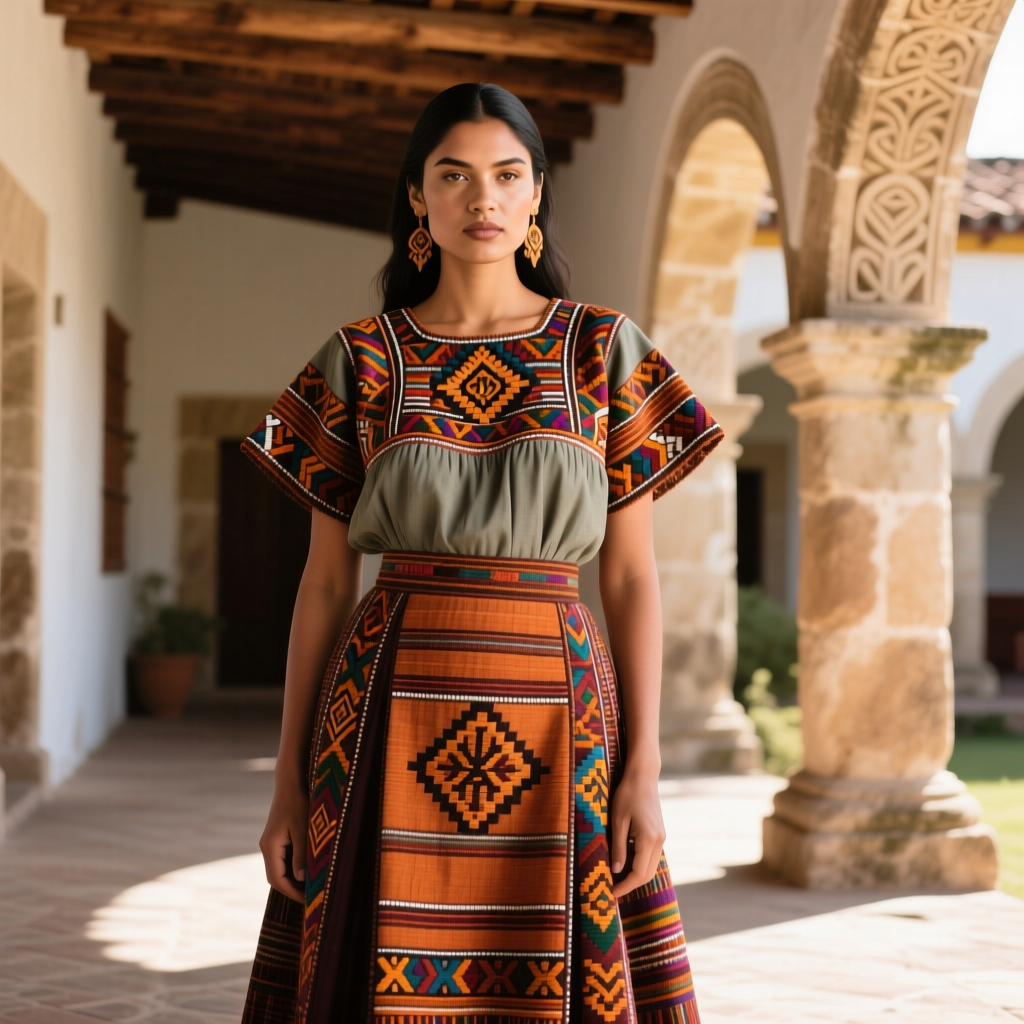
Oaxaca is widely considered the cultural heart of Mexico, a region where the air is thick with the scent of roasted cacao and the streets are alive with a kaleidoscope of colors. Nowhere is this vibrant heritage more visible than in the traditional Mexican dress of Oaxaca. Far from being mere clothing, the garments woven and embroidered in this southern Mexican state are wearable manuscripts. They tell stories of ancient cosmologies, colonial resistance, and the enduring spirit of indigenous communities. To understand Oaxacan textiles is to understand the soul of its people.
For centuries, the indigenous women of Oaxaca have served as the guardians of ancestral knowledge, passing down complex weaving and embroidery techniques from generation to generation. The traditional dress of this region is a masterful blend of pre-Columbian ingenuity and colonial influences, resulting in some of the most intricate and culturally significant garments in the world. In this comprehensive guide, we will explore the historical origins, defining characteristics, regional variations, and profound cultural significance of traditional Mexican dress in Oaxaca.
The Historical Origins of Oaxacan Textiles
The roots of Oaxacan textile production stretch back thousands of years to the great Zapotec & Mixtec civilizations. Long before the arrival of the Spanish, indigenous artisans were cultivating native cotton, harvesting agave fibers (ixtle), and utilizing the backstrap loom to create elaborate garments. The backstrap loom, a deceptively simple yet mathematically complex device, relies on the weaver’s own body weight to create tension between the warp threads. This intimate connection between the weaver and the loom is often described as a physical and spiritual bond, where the rhythm of the batten mimics the heartbeat of the artisan.
Pre-Hispanic Oaxacans were also master dyers, utilizing a profound understanding of local ecology to extract brilliant colors from nature. The most famous of these is cochineal, a parasitic insect that lives on nopal cacti, which yields a spectrum of vivid reds, purples, and oranges. Indigo plants provided deep, lasting blues, while various mosses, barks, and flowers offered yellows and greens. For the most sacred and elite garments, artisans harvested the secretions of the Purpura pansa sea snail along the Pacific coast to achieve a rare, imperishable purple hue. You can explore more about these fascinating natural dyeing techniques in our dedicated guide.
The Spanish conquest in the sixteenth century introduced new materials and technologies that irrevocably altered Oaxacan dress. The arrival of the pedal loom, sheep’s wool, and silk threads expanded the artistic vocabulary of indigenous weavers. Silk, in particular, was quickly adopted by local embroiderers, who used it to create the luminous, satin-stitch floral motifs that define many contemporary Oaxacan garments. Despite these colonial impositions, indigenous communities actively subverted and adapted these foreign elements, ensuring that the core cosmological symbols and structural integrity of their traditional dress remained intact.
Defining Characteristics of Traditional Oaxacan Garments
The traditional wardrobe of an Oaxacan woman is a multi-layered ensemble, with each piece serving a specific functional, aesthetic, and symbolic purpose. The cornerstone of this wardrobe is the huipil, a loose-fitting tunic constructed from one, two, or three panels of hand-woven fabric joined together. The huipil is far more than a simple blouse; it is a canvas for the weaver’s identity. For a deeper dive into this iconic garment, read our comprehensive guide to the huipil.
Beneath or alongside the huipil, women traditionally wear an enredo or posahuanco, a wrap skirt secured tightly around the waist. The skirt is held in place by a faja, a wide, intricately woven sash or belt. The faja is often heavily brocaded with geometric patterns representing the serpent, the diamond (symbolizing the universe), or the double-headed eagle. The ensemble is usually completed with a rebozo, a versatile shawl used for warmth, modesty, carrying children, or transporting goods from the market. The history and versatility of this essential garment are detailed in our exploration of the rebozo.
The decorative techniques used in Oaxacan dress are globally renowned. Brocade, a technique where decorative supplementary weft threads are woven directly into the fabric on the loom, is highly prevalent. This is often confused with embroidery, but brocade is created simultaneously with the ground cloth, requiring the weaver to memorize complex mathematical sequences. In contrast, post-loom embroidery, often executed with vibrant silk or cotton floss, features elaborate chains, smocking, and satin stitches. These Mexican embroidery traditions frequently depict local flora & fauna, including roses, lilies, peacocks, and jaguars, blending indigenous reverence for nature with European aesthetic influences.
Regional Variations Across Oaxaca's Valleys and Mountains
Oaxaca is a geographically fractured state, characterized by deep valleys, towering sierras, and narrow coastal plains. This rugged topography historically isolated communities from one another, allowing highly distinct, hyper-local styles of traditional dress to flourish. Today, an expert can identify a woman’s specific village simply by examining the color palette, weave structure, and embroidery motifs of her huipil.
The Isthmus of Tehuantepec and the Tehuana Dress
Perhaps the most globally recognized Oaxacan garment is the Tehuana dress, originating from the matriarchal Zapotec societies of the Isthmus of Tehuantepec. The traditional Tehuana ensemble is a symbol of female power and economic independence. It features a velvet huipil heavily adorned with hand-embroidered silk flowers, intricate lace overlays, and a matching velvet skirt. For formal occasions, women wear a spectacular white lace headdress known as a resplandor, which frames the face like a halo. The Tehuana dress famously captivated artist Frida Kahlo, who adopted it as her signature look to project a powerful, indigenous Mexican identity on the global stage.
San Antonino Castillo Velasco and the Central Valleys
In the Central Valleys, the town of San Antonino Castillo Velasco is celebrated for a highly specific and labor-intensive embroidery technique known locally as “hazme si puedes” (make it if you can). This technique involves microscopic smocking and drawn-thread work that creates delicate, lace-like geometric and floral patterns across the bodice and sleeves of the huipil. The garments from this region are typically made of fine white cotton or muslin, providing a stark, elegant contrast to the pastel silk embroidery and intricate crochet lace that trims the neckline.
The Mixtec and Triqui Regions of the Sierra
Traveling into the mountainous Mixteca and Triqui regions, the textiles shift dramatically in weight and color. Triqui huipiles are striking, characterized by deep red backgrounds interwoven with bands of black, white, and blue. The red symbolizes the earth and the blood of life, while the intricate braiding and heavy woolen sashes provide necessary warmth in the high-altitude climate. Mixtec weavers are renowned for their mastery of the pedal loom, producing incredibly fine, tightly woven cotton fabrics that are often dyed with vibrant, modern aniline colors, reflecting a dynamic, evolving textile tradition.
The Sierra Norte and Mazatec Communities
In the misty, cloud-forest regions of the Sierra Norte, Mazatec and Chinantec women wear pristine white cotton huipiles. The decoration here is subtle yet profoundly symbolic, featuring red and black cross-stitch or brocade motifs along the seams and neckline. These geometric patterns often represent the local mountain ranges, the flow of rivers, and the protective spirits of the forest. The simplicity of the white cotton reflects the region’s historical reliance on locally grown, hand-spun fibers.
Occasions and Ceremonial Wear
In traditional Oaxacan society, the wardrobe is strictly categorized by the occasion. Daily wear, or huipil de diario, is typically woven from sturdy, unbleached cotton with simpler, more durable brocade patterns designed to withstand the rigors of agricultural work, cooking over open fires, and washing in the river. These garments are practical, breathable, and deeply comfortable.
Conversely, ceremonial wear, or huipil de fiesta, is a masterpiece of artisanal labor. Reserved for weddings, religious holidays, and community festivals, these garments are woven with the finest silk threads, dyed with precious cochineal, and heavily embellished with velvet, lace, and metallic threads. The most spectacular display of Oaxacan ceremonial dress occurs during the Guelaguetza, a massive indigenous festival held in the capital city. During this event, delegations from all eight regions of Oaxaca gather to perform traditional dances, proudly wearing their most elaborate, heirloom textiles. The concept of Guelaguetza itself—meaning reciprocal exchange and community sharing—is woven into the very fabric of the garments, which are often gifted or passed down as vital community assets.
Weddings also demand specific sartorial codes. In many indigenous communities, a bride will spend months or even years weaving her own wedding huipil, embedding prayers for fertility, prosperity, and protection into the warp & weft of the cloth. The groom’s attire, while less elaborate than the bride’s, often includes a hand-woven cotton shirt, a wide red sash, and a traditional palm hat adorned with ribbons.
The Cultural Significance and Modern Preservation
To view traditional Mexican dress in Oaxaca merely as fashion is to misunderstand its fundamental purpose. These garments are a visual language. They communicate the wearer’s village of origin, marital status, social standing, and even her role within the community’s religious hierarchy. When a woman dons her huipil, she is wrapping herself in the history of her ancestors and asserting her place within the living cosmos of her community. This deep connection to indigenous textile heritage is a powerful form of cultural resistance against centuries of assimilation pressures.
Furthermore, textile production is a vital economic engine for Oaxacan women. In many rural communities, weaving and embroidery provide the primary source of independent income for female artisans, granting them financial autonomy and elevating their status within the household. However, this traditional livelihood faces severe threats from the mechanization of the textile industry, the migration of youth to urban centers, and the pervasive issue of cultural appropriation by international fast-fashion brands.
In response, a robust movement of textile preservation efforts has emerged. Indigenous cooperatives, artisan collectives, and cultural NGOs are working tirelessly to protect the intellectual property of traditional designs. They advocate for fair-trade practices, ensuring that the women who spend hundreds of hours weaving a single huipil are compensated fairly. For conscious consumers and collectors, purchasing authentic Oaxacan textiles directly from artisan cooperatives is not just a transaction; it is an act of solidarity that helps sustain these ancient, irreplaceable art forms for future generations.
Frequently Asked Questions
What is the most famous traditional dress in Oaxaca?
The most internationally recognized traditional dress from Oaxaca is the Tehuana dress, originating from the Isthmus of Tehuantepec. Characterized by its rich velvet fabrics, elaborate silk floral embroidery, intricate lacework, and the striking resplandor headdress, the Tehuana dress is a powerful symbol of Zapotec matriarchy. It gained global fame in the twentieth century when iconic Mexican artist Frida Kahlo adopted it as her signature wardrobe, using the garment to project a fierce, indigenous Mexican identity on the world stage.
How long does it take to weave a traditional Oaxacan huipil?
The time required to weave a traditional huipil varies drastically depending on the complexity of the design, the fineness of the thread, and the weaving technique employed. A simple, daily-wear cotton huipil woven on a backstrap loom might take a skilled artisan three to four weeks of continuous work. However, a highly complex ceremonial huipil featuring intricate supplementary weft brocade, hand-spun silk, and natural cochineal dyes can easily take six months to over a year to complete. The process encompasses everything from cleaning and spinning the raw fibers to the final, painstaking weaving on the loom.
What natural dyes are used in Oaxacan textiles?
Oaxacan artisans are world-renowned for their mastery of natural dyes, a practice that dates back to pre-Columbian times. The most famous is cochineal (Dactylopius coccus), an insect that yields brilliant reds, pinks, and purples. Indigo is used for deep blues, while the rare Purpura pansa sea snail provides a sacred, colorfast purple. Artisans also utilize marigold flowers for yellows, pecan shells and oak bark for rich browns, and various local mosses and lichens for greens and earthy tones. The use of natural dyes ensures that the textiles age beautifully, developing a rich patina over decades.
How can I ethically purchase authentic Oaxacan garments?
To ethically purchase authentic Oaxacan textiles, it is crucial to buy directly from the artisans or through verified, fair-trade cooperatives that operate within the communities. Avoid purchasing "Mexican-style" embroidered blouses from large commercial retailers or fast-fashion brands, as these are frequently mass-produced in overseas factories, plagiarizing indigenous designs without compensating the originating communities. When buying directly, engage with the weavers, ask about their techniques, and be prepared to pay a price that reflects the hundreds of hours of skilled, manual labor invested in the garment. Fair compensation is the most effective tool for textile preservation.
What do the embroidery motifs on a huipil represent?
The motifs woven and embroidered onto an Oaxacan huipil are deeply symbolic, serving as a visual codex of the community’s cosmovision. Geometric patterns like diamonds and zigzags often represent the universe, the four cardinal directions, or the life-giving flow of water and rain. Floral motifs, while influenced by European aesthetics, are frequently adapted to represent local medicinal plants or the fertility of the earth. Animal motifs, such as the double-headed eagle, jaguars, or serpents, connect the wearer to ancient mythologies and protective deities. Ultimately, the specific meaning of a motif is intimately tied to the specific village and the individual artisan who created it.