Traditional Japanese Clothing for Women: A Complete Cultural Guide
Traditional Japanese Clothing for Women: A Complete Cultural Guide
Few sartorial traditions in the world carry the depth, artistry, and cultural weight of traditional Japanese clothing for women. From the flowing silk layers of a formal kimono to the breezy cotton yukata worn at summer festivals, each garment tells a story woven through centuries of Japanese history. These are not merely clothes — they are living artifacts of aesthetics, social structure, seasonal awareness, and regional identity.
For anyone fascinated by traditional Asian clothing or seeking to understand the nuanced language of Japanese dress, this guide offers a comprehensive journey through the garments that have defined femininity, ceremony, and daily life in Japan for over a thousand years. Whether you are a student of fashion history, a cultural enthusiast, or simply curious about the elegance of Japanese attire, the world of women's traditional clothing in Japan promises endless discovery.
The Origins & Evolution of Women's Traditional Japanese Garments
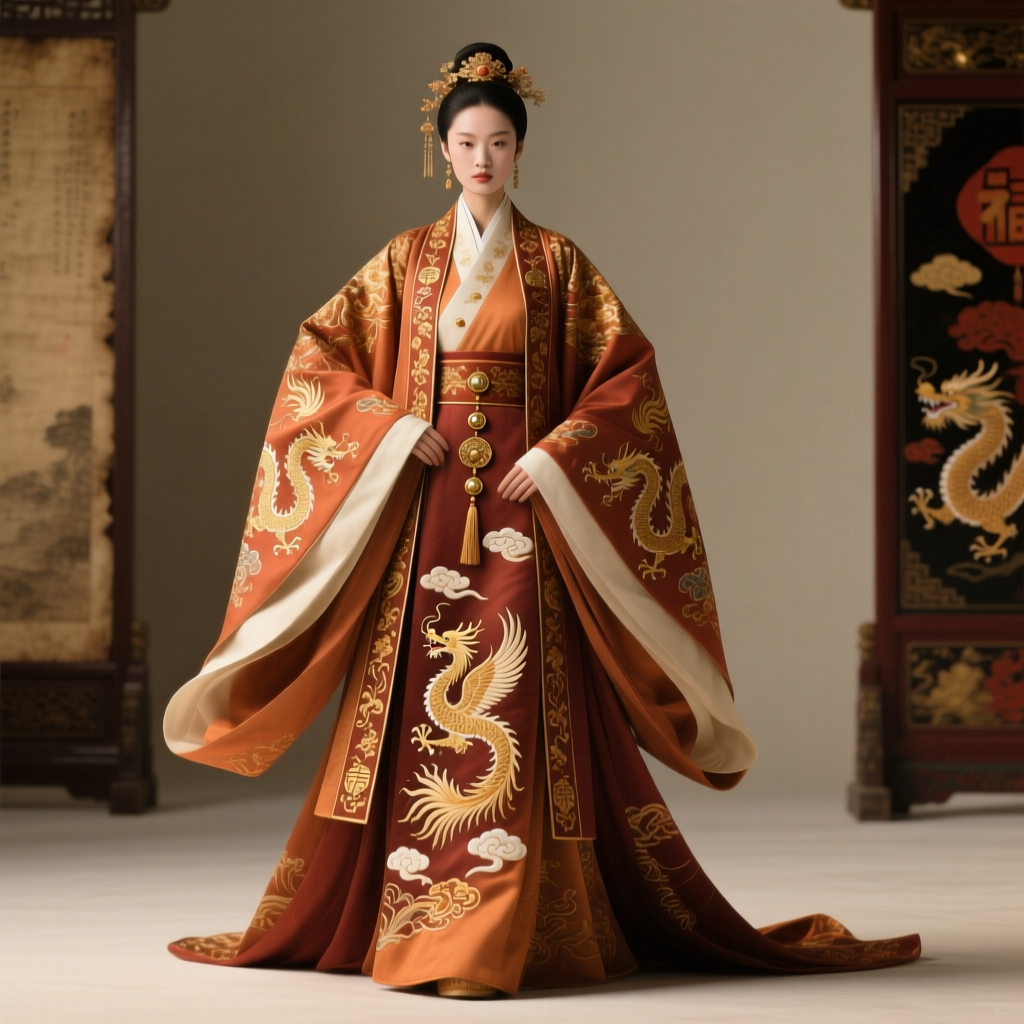
The story of traditional Japanese clothing for women stretches back to the earliest recorded periods of Japanese history, evolving dramatically with each successive era. The foundations were laid during the Nara period (710–794), when Japanese dress was heavily influenced by Chinese Tang Dynasty fashion. Women of the court wore long, flowing robes with wide sleeves, and the basic concept of wrapping fabric around the body — rather than cutting and tailoring it to fit — became firmly established.
It was during the Heian period (794–1185) that Japanese clothing truly began to develop its own distinct identity. The legendary jūnihitoe, or twelve-layer robe, emerged as the pinnacle of court fashion. Aristocratic women wore multiple layers of silk robes, each carefully chosen so that the colors peeking out at the collar, sleeves, and hem created a harmonious seasonal palette. The art of layering — known as kasane no irome — became a sophisticated expression of refinement, taste, and awareness of the natural world.
As Japan transitioned into the Kamakura (1185–1333) and Muromachi (1336–1573) periods, the elaborate court styles gave way to more practical garments. The kosode, originally an undergarment with small sleeve openings, gradually became the primary outer garment for women across social classes. This shift was revolutionary: the kosode would eventually evolve into what we now recognize as the modern kimono.
The Edo period (1603–1868) marked the golden age of the kimono. With relative peace and a flourishing merchant class, textile arts reached extraordinary heights. Techniques such as yūzen dyeing allowed artisans to paint intricate, pictorial designs directly onto silk. The obi (sash) grew wider and more decorative, and the conventions of how to wear, tie, and accessorize the kimono became codified into the complex system that persists today. Sumptuary laws attempted to restrict luxurious dress among commoners, but women found creative ways to express wealth and taste through hidden linings, subtle patterns, and exquisite undergarments.
The Meiji period (1868–1912) brought rapid Westernization, and Western clothing was actively promoted for men and eventually for women in public life. However, traditional garments remained central to domestic life, ceremonies, and cultural identity. Throughout the twentieth century and into the present day, kimono and related garments transitioned from everyday wear to ceremonial and celebratory attire — cherished, carefully maintained, and passed down through generations. For a deeper look at how Japanese garments compare to other East Asian clothing traditions, explore our related cultural guides.
Key Types of Traditional Japanese Clothing for Women
The wardrobe of traditional Japanese clothing for women encompasses a remarkable range of garments, each designed for specific occasions, seasons, ages, and social contexts. Understanding these distinctions is essential to appreciating the depth of this sartorial system.
Kimono (着物)
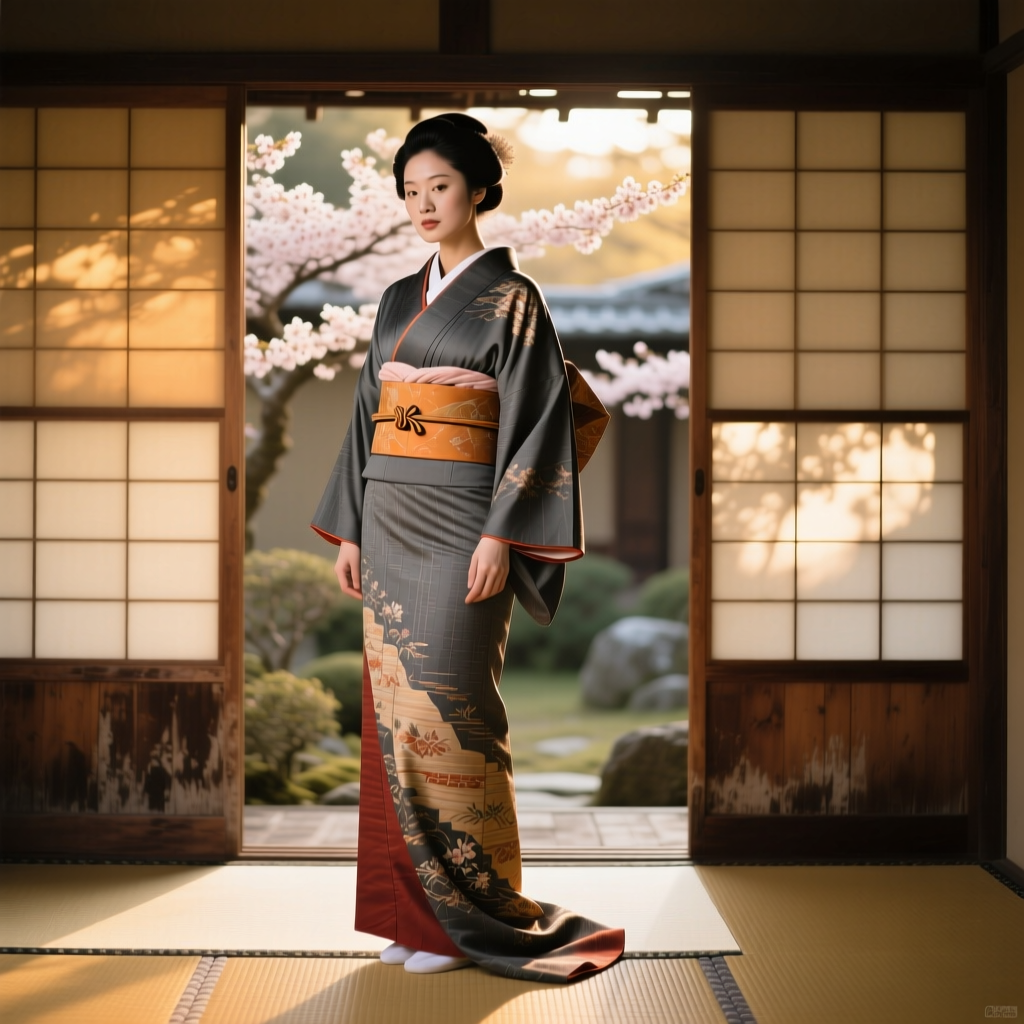
The kimono is the most iconic of all Japanese garments. The word itself simply means "thing to wear" (ki = wear, mono = thing), but it has come to refer specifically to the T-shaped, straight-lined robe that wraps left side over right and is secured with an obi. Women's kimono vary enormously in formality, fabric, color, and pattern. The key types include:
- Furisode — The most formal kimono for unmarried women, distinguished by extremely long, swinging sleeves that can reach over 100 centimeters. Furisode are typically made of brightly colored, elaborately patterned silk and are worn at coming-of-age ceremonies, weddings (as a guest), and other celebratory events.
- Tomesode — The most formal kimono for married women. Black tomesode (kurotomesode) feature family crests and patterns only below the waist, worn at the most formal occasions such as weddings. Colored tomesode (iro-tomesode) are slightly less formal but equally elegant.
- Hōmongi — Semi-formal visiting kimono with patterns that flow across the seams, creating a continuous picture. Appropriate for tea ceremonies, parties, and cultural events.
- Komon — Casual kimono with small, repeating patterns all over the fabric. Suitable for everyday outings, casual dining, or informal gatherings.
- Iromuji — Solid-colored kimono (other than black) that can be dressed up or down depending on accessories. Often worn to tea ceremonies.
Yukata (浴衣)
The yukata is perhaps the most accessible form of traditional Japanese clothing for women today. Originally a bathrobe worn by nobility, the yukata evolved into a lightweight, unlined cotton garment worn during summer festivals, fireworks displays, and visits to hot springs. Unlike formal kimono, yukata can be worn directly against the skin without the complex layers of undergarments, making them cooler and easier to manage. Modern yukata come in a dazzling array of prints, from traditional florals to contemporary geometric designs, and they remain enormously popular among young women during summer matsuri (festivals). Learn more about casual traditional garments and how they function in daily life.
Hakama (袴)
While often associated with men, the hakama — wide-legged, pleated trousers worn over a kimono — has a rich history in women's dress. During the Meiji and Taishō periods, hakama became standard attire for female students, and the image of a young woman in a kimono with a deep maroon or navy hakama remains an enduring symbol of scholarly elegance. Today, women wear hakama at university graduation ceremonies, and they are also standard attire for practitioners of martial arts such as aikidō and kyūdō. Shrine maidens (miko) wear distinctive white kimono with bright red hakama as part of their sacred duties.
Uchikake (打掛) & Shiromuku (白無垢)
For bridal occasions, traditional Japanese clothing reaches its most spectacular. The uchikake is a heavily padded, lavishly decorated outer robe worn over the kimono, trailing on the floor without being tied with an obi. Often featuring gold and silver thread, elaborate embroidery, and auspicious motifs such as cranes, pine trees, and flowing water, the uchikake transforms the bride into a vision of opulence. The shiromuku is an all-white bridal ensemble symbolizing purity and the bride's willingness to be "dyed" in the colors of her new family. Both garments represent the pinnacle of Japanese textile artistry and can cost as much as a luxury automobile.
Haori (羽織)
The haori is a hip- or thigh-length jacket worn over the kimono. Originally a male garment, women began wearing haori in the early twentieth century as a symbol of modernity and liberation. Today, women's haori are worn as elegant outerwear in cooler weather, and vintage haori have become popular as fashion pieces that can be styled with both traditional and Western clothing. The haori is secured at the front with a small braided cord called a haori himo, which itself can be a work of art.
Occasions & the Rules of Wearing Traditional Garments
One of the most fascinating aspects of traditional Japanese clothing for women is the intricate system of rules governing what to wear, when, and how. This system — sometimes called kitsuke (the art of dressing) — considers the occasion, the wearer's age and marital status, the season, and even the specific event's level of formality.
Seasonal Awareness
Seasonality is paramount in Japanese dress. Patterns and colors must align with the natural world, often anticipating the season slightly rather than reflecting it directly. Cherry blossom motifs are worn in late winter and early spring — before the blossoms actually appear — as a gesture of anticipation. Maple leaves appear in autumn, while plum blossoms signal the tail end of winter. Wearing a seasonal motif after that season has passed is considered a faux pas, reflecting the deep connection between Japanese aesthetics and the ephemeral passage of time. This philosophy of mono no aware — the pathos of things — permeates every aspect of Japanese aesthetic traditions.
Formality Levels
Japanese occasions exist on a spectrum of formality, and the garment must match. A wedding of a close family member calls for a kurotomesode or furisode with a formal maru or fukuro obi. A tea ceremony might call for an iromuji or hōmongi with a nagoya obi. A casual lunch with friends permits a komon or even a stylish yukata in summer. The obi itself carries formality: the wide, stiff maru obi is the most formal, followed by the fukuro obi, and then the softer, easier-to-tie nagoya obi.
Life Stage Transitions
Traditional Japanese clothing for women reflects life stages with remarkable precision. Young, unmarried women wear furisode with long sleeves and vibrant patterns, signaling their availability and youth. Upon marriage, women transition to shorter-sleeved tomesode, with more subdued colors and patterns placed lower on the garment. Older women tend toward quieter elegance — subtle patterns, muted tones, and refined fabrics. These conventions, while less rigidly observed today than in the past, still influence how women select kimono for important occasions.
Modern Contexts
In contemporary Japan, most women wear Western clothing in daily life and reserve traditional garments for specific milestones: coming-of-age ceremonies (seijin-shiki), weddings, graduation ceremonies, tea ceremonies, New Year's shrine visits, and summer festivals. However, a growing movement of kimono enthusiasts — both in Japan and internationally — advocates for wearing kimono more regularly, experimenting with modern styling, and keeping the tradition alive as a living practice rather than a museum artifact.
Regional Variations & Textile Traditions
Japan's diverse geography and history have produced a rich tapestry of regional textile traditions that profoundly influence traditional Japanese clothing for women. Each region developed distinctive techniques, materials, and aesthetics shaped by local climate, available resources, and cultural identity.
Kyoto: The Heart of Kimono Culture
Kyoto, the ancient imperial capital, remains the undisputed center of kimono culture. The city's Nishijin district has been producing exquisite brocade textiles for over a thousand years, supplying the imperial court and aristocracy with the finest fabrics in the land. Kyoto is also home to the Kyo-yūzen dyeing tradition, where artisans hand-paint elaborate designs on silk using resist-dyeing techniques. The city's geiko (geisha) and maiko (apprentice geisha) maintain some of the most elaborate and historically accurate kimono wardrobes in Japan, serving as living custodians of the tradition. Walking through Kyoto's Gion district, one can still see women in full traditional attire — a sight that connects the present directly to centuries past.
Okinawa: The Ryūkyū Tradition
Okinawa's textile traditions developed largely independently from mainland Japan, reflecting the Ryūkyū Kingdom's unique position as a maritime trading hub. Bingata, Okinawa's signature resist-dyeing technique, produces vivid, bold patterns in reds, yellows, and blues — a striking contrast to the more subdued mainland aesthetics. The bashōfu fabric, woven from banana plant fibers, is a uniquely Okinawan textile prized for its lightness and breathability in the subtropical climate. Ryūkyūan court dress for women featured distinctive layered garments with influences from both Chinese and Southeast Asian traditions, making it a fascinating subject for students of Southeast Asian clothing traditions.
Tohoku & Northern Regions
The cold northern regions of Japan developed their own textile solutions. In Aomori Prefecture, tsugaru-kogin embroidery emerged as a technique for reinforcing and insulating hemp garments. Women stitched intricate geometric patterns in white cotton thread onto dark indigo-dyed fabric, creating textiles of extraordinary beauty born from practical necessity. Similarly, sashiko — the running-stitch embroidery tradition of northern Japan — transformed the act of mending and quilting into an art form. These folk textiles, once considered humble workwear, are now highly prized by collectors and designers worldwide.
Kaga Yūzen & Kanazawa
The city of Kanazawa in Ishikawa Prefecture developed its own variant of yūzen dyeing known as Kaga yūzen. Distinct from the Kyoto style, Kaga yūzen is characterized by more naturalistic, painterly designs featuring realistic depictions of flowers, birds, and landscapes. The technique uses a distinctive palette of five base colors — deep purple, indigo, crimson, yellow-green, and yellow — and employs a unique "bleeding" effect at the edges of designs that gives Kaga yūzen its soft, watercolor-like quality.
Kasuri & Ikat Traditions
Across Japan, various kasuri (ikat) weaving traditions produce distinctive patterned fabrics by pre-dyeing sections of thread before weaving. The Kurume kasuri of Fukuoka Prefecture, the Bingo kasuri of Hiroshima, and the Iyo kasuri of Ehime each have their own characteristic patterns and techniques. Kasuri fabrics, with their softly blurred patterns, are beloved for casual kimono and yukata, offering a rustic charm that contrasts beautifully with formal silk garments.
Cultural Significance & the Living Tradition
Traditional Japanese clothing for women carries cultural significance that extends far beyond mere fashion. These garments embody philosophical principles, social values, and an entire worldview centered on harmony, respect, and attentiveness to detail.
The philosophy of presentation. In Japanese culture, how one presents oneself is not superficial — it is a form of respect. Wearing appropriate traditional clothing to a ceremony signals respect for the occasion, the host, and the tradition itself. The meticulous process of dressing — selecting the garment, choosing the obi, coordinating accessories, arranging the hair — is itself a meditative practice that cultivates mindfulness and intentionality.
Connection to nature. The seasonal motifs woven, dyed, and embroidered into women's garments reflect a profound cultural emphasis on living in harmony with the natural world. A woman wearing a kimono adorned with autumn grasses and dewdrops is not merely dressed beautifully — she is participating in a cultural conversation about the beauty of transience and the passage of time.
Intergenerational bonds. Kimono are frequently passed from mother to daughter, grandmother to granddaughter, carrying with them the memories and stories of previous generations. The act of wearing a family kimono to one's wedding or coming-of-age ceremony creates a tangible link between past and present. Many families maintain kimono chests (tansu) that hold generations of garments, each with its own history.
Artisan preservation. The creation of traditional Japanese clothing supports an entire ecosystem of master artisans — silk weavers, dyers, embroiderers, obi makers, cord braiders, and kimono tailors. Many of these crafts are designated as Important Intangible Cultural Properties by the Japanese government, and the artisans who practice them are recognized as Living National Treasures. Supporting traditional clothing means supporting these irreplaceable skills. Explore more about textile craft heritage and how these traditions are preserved globally.
Modern revival & global influence. In recent years, there has been a significant revival of interest in kimono among younger Japanese women and international enthusiasts. Rental kimono shops have proliferated in tourist destinations, kimono styling has embraced contemporary accessories and unconventional color combinations, and social media has created communities of kimono lovers worldwide. The garment has also influenced Western fashion profoundly — from the kimono-sleeved jackets that appear on runways to the broader appreciation for wrap garments, wide sleeves, and obi-inspired belts. This cross-pollination ensures that traditional Japanese clothing for women continues to evolve while maintaining its essential character.
For those interested in understanding how Japanese garments fit into the broader context of global traditional clothing, the parallels and contrasts with other cultural dress traditions offer rich ground for exploration and appreciation.
Frequently Asked Questions
What is the difference between a kimono and a yukata?
The primary differences lie in fabric, formality, and construction. A kimono is typically made of silk (though modern versions may use polyester or wool), is lined, and requires multiple layers of undergarments. It is appropriate for formal and semi-formal occasions. A yukata is made of lightweight, unlined cotton or cotton-blend fabric, is worn directly over simple undergarments, and is considered casual summer wear. Yukata are also significantly less expensive and easier to put on without professional assistance, making them an excellent entry point for those new to traditional Japanese clothing.
Can non-Japanese women wear kimono respectfully?
Yes, and most Japanese people are delighted to see non-Japanese individuals wearing kimono with genuine appreciation and care. The key is respectful engagement: wear the garment correctly (always left side over right — the reverse is reserved for dressing the deceased), choose appropriate occasions, and take the time to learn about the garment's significance. Many kimono rental shops in Japan cater specifically to international visitors and will help with proper dressing. The Japanese cultural concept of wa (harmony) extends to welcoming sincere cross-cultural appreciation.
How much does a traditional kimono cost?
The price range is extraordinarily wide. A basic, mass-produced polyester komon can be purchased for as little as $30 to $50, particularly from secondhand shops. A new, handcrafted silk kimono from a Kyoto artisan can cost anywhere from $3,000 to $20,000 or more, depending on the complexity of the dyeing or weaving technique. Bridal uchikake and formal furisode often exceed $10,000. The obi, accessories, and undergarments add significantly to the total cost. The thriving secondhand kimono market in Japan offers an affordable way to acquire high-quality, vintage silk garments — many in excellent condition — for a fraction of their original price.
What accessories are needed to wear a kimono properly?
A complete kimono outfit involves numerous components beyond the kimono and obi themselves. Essential accessories include: nagajuban (an under-kimono that protects the outer garment), koshihimo (thin ties used to secure the kimono while dressing), datejime (a wider belt worn under the obi), tabi (split-toe socks), and zōri or geta (traditional sandals). Additional elements include obi-jime (a decorative cord tied over the obi), obi-age (a silk scarf tucked into the top of the obi), and a small bag called a kinchaku or a formal zōri bag. The complete ensemble can involve a dozen or more individual pieces, each serving a specific functional or aesthetic purpose.
How do I care for and store a silk kimono?
Silk kimono require careful maintenance to preserve their beauty and longevity. After wearing, the kimono should be aired out and gently brushed before being folded along its original seam lines and stored in a breathable fabric cover called a tatōshi. Traditional storage involves a dedicated wooden chest (tansu) with cedar or paulownia wood, which naturally repels insects and absorbs moisture. Kimono should be refolded periodically to prevent permanent creasing along the fold lines. Professional cleaning — known as arai-hari — involves disassembling the garment, washing the individual fabric panels, and reassembling them, a service performed by specialized artisans. Never store silk kimono in plastic, as this traps moisture and promotes mold growth.