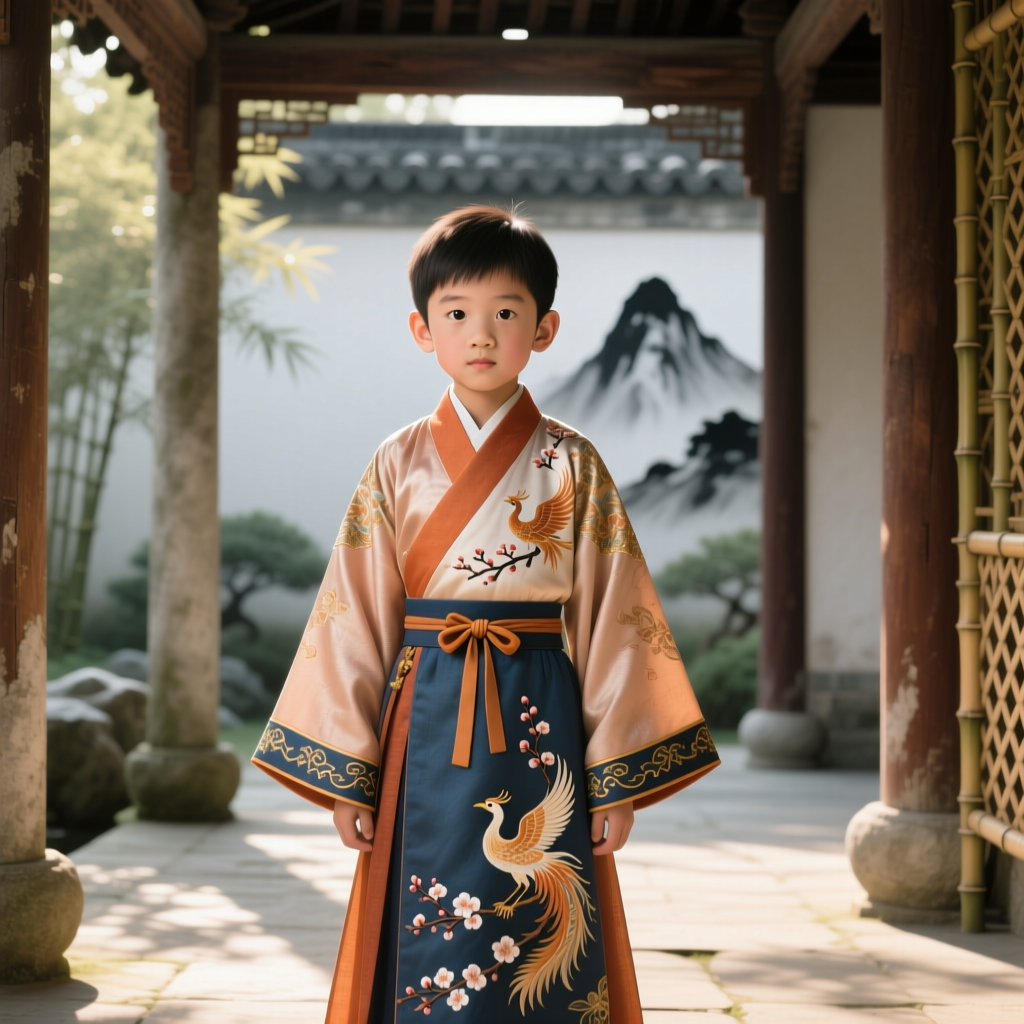
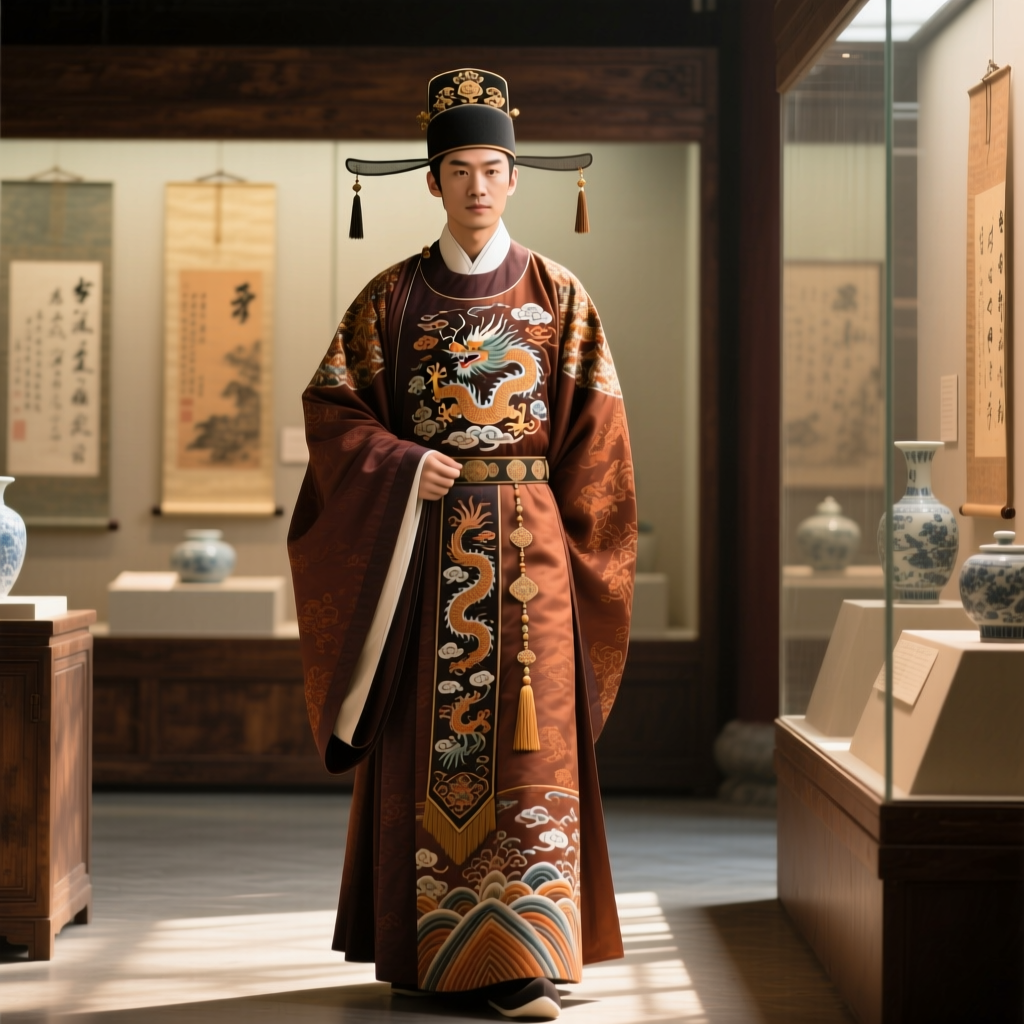
Traditional Chinese Clothing: A Complete Guide to Tang Dynasty Fashion
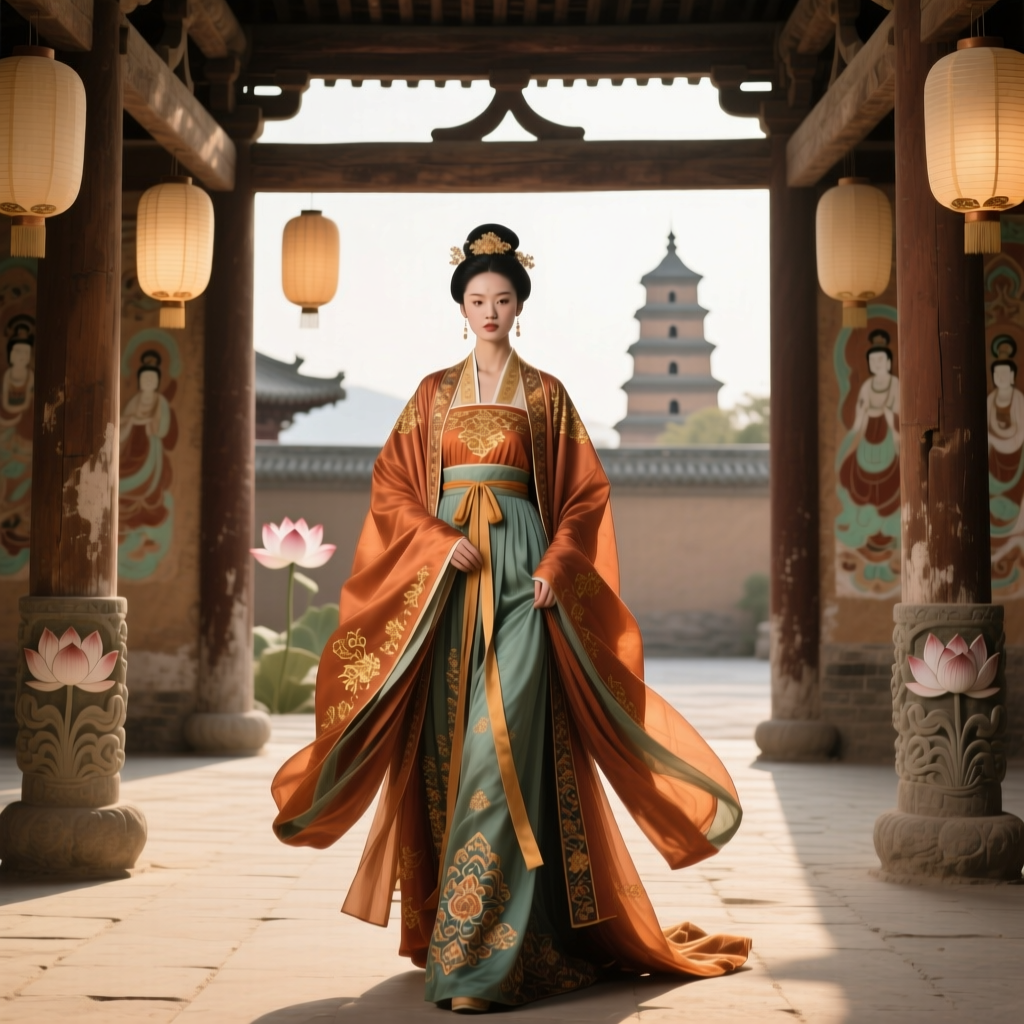
Traditional Chinese Clothing: A Complete Guide to Tang Dynasty Fashion
The Tang Dynasty stands as one of the most celebrated eras in Chinese history, often regarded as a golden age of art, culture, and cosmopolitan exchange. Spanning roughly three centuries, this remarkable period gave rise to some of the most exquisite and influential clothing traditions the world has ever seen. From the flowing silks of court ladies to the practical elegance of scholarly robes, traditional Chinese clothing during the Tang Dynasty reflected a society that was confident, diverse, and deeply invested in the language of dress.
At The Garment Atlas, we believe that understanding historical clothing is essential to appreciating the full tapestry of global fashion heritage. The garments of the Tang era were not merely functional coverings — they were statements of identity, rank, philosophy, and artistic expression. Whether you are a student of fashion history, a cultural enthusiast, or simply curious about the roots of East Asian sartorial traditions, this comprehensive guide will walk you through every facet of Tang Dynasty clothing.
What made Tang fashion so distinctive was its remarkable openness to outside influence. The Silk Road was thriving, and the capital city of Chang'an (modern-day Xi'an) was one of the largest and most cosmopolitan cities in the world. Traders, diplomats, and travelers from Persia, Central Asia, India, and beyond brought new textiles, patterns, and silhouettes that Tang artisans eagerly absorbed and reinterpreted. The result was a clothing culture that was at once deeply Chinese and thrillingly international.
Origins & Historical Context of Tang Dynasty Clothing
To understand the clothing of the Tang Dynasty, it is essential to look at the historical currents that shaped it. The Tang era emerged after the short-lived Sui Dynasty, which had reunified China following centuries of fragmentation during the Northern & Southern Dynasties period. This preceding era of division had already set the stage for a blending of Han Chinese traditions with the customs of various nomadic and semi-nomadic peoples from the north and west.
The early Tang period inherited a rich legacy of hanfu — the traditional clothing of the Han Chinese people — while also incorporating elements from the Xianbei, Turkic, and Sogdian cultures that had become integrated into northern Chinese society. This fusion created a sartorial landscape unlike anything seen before in Chinese history.
Several key factors influenced the development of Tang clothing:
- Imperial patronage: The Tang court actively sponsored textile production, establishing imperial workshops that produced silks of extraordinary quality. Emperors and empresses set fashion trends that rippled through every level of society.
- Silk Road trade: The flow of goods, ideas, and people along the Silk Road introduced new dyes, weaving techniques, and decorative motifs. Persian roundels, Central Asian caftan styles, and Indian draping methods all found their way into Tang wardrobes.
- Economic prosperity: The relative peace and prosperity of the Tang era meant that fine clothing was accessible to a broader segment of the population than in many previous dynasties. A thriving merchant class could afford luxurious fabrics previously reserved for the aristocracy.
- Buddhist & Daoist influence: Religious philosophy shaped color symbolism, garment construction, and the spiritual significance attributed to certain textiles and patterns.
The Tang approach to clothing was governed by sumptuary laws that regulated which colors, fabrics, and accessories could be worn by different social ranks. However, these regulations were often loosely enforced, particularly during the dynasty's most prosperous periods, leading to a vibrant and sometimes rebellious fashion culture among the urban elite.
Key Garments & Defining Characteristics
Tang Dynasty clothing is distinguished by its generous silhouettes, luxurious fabrics, and elaborate decorative details. The garments of this era emphasized flowing lines, layered construction, and a harmonious relationship between the body and the cloth. Below are the most important garment types that defined Tang fashion.
The Ruqun (襦裙) — Blouse & Skirt Ensemble
The ruqun was the quintessential outfit for Tang women, consisting of a short blouse or jacket (ru) paired with a long, flowing skirt (qun). During the Tang era, the waistline of the skirt was often tied very high — sometimes just below the bust — creating an elegant, elongated silhouette. The blouse featured narrow sleeves in the early Tang period, gradually widening as the dynasty progressed and foreign influences grew stronger.
Skirts were typically made from multiple panels of silk, pleated or gathered at the waistband. Popular colors included pomegranate red, turmeric yellow, and verdigris green. Wealthy women often wore skirts with embroidered borders or printed patterns featuring flowers, birds, and auspicious symbols. The silk weaving techniques of the era allowed for increasingly complex patterns and textures.
The Banbi (半臂) — Half-Sleeve Jacket
The banbi was a short, half-sleeved jacket worn over the ruqun ensemble. Originally a practical garment for cooler weather, it evolved into a fashionable layering piece that added visual interest and color contrast to an outfit. The banbi could be fastened at the front with ties or toggles and was often made from richly patterned brocade or damask silk.
The Pibo (披帛) — Silk Shawl or Stole
One of the most iconic accessories of Tang women's fashion was the pibo — a long, narrow silk shawl draped loosely over the shoulders and arms. Often made from sheer or lightweight silk, the pibo added an ethereal, floating quality to the wearer's silhouette. It was depicted extensively in Tang paintings and ceramic figurines, suggesting it was an indispensable element of fashionable dress. The draping of the pibo drew inspiration from Buddhist art and Central Asian shawl traditions, making it a perfect symbol of the Tang era's cultural syncretism.
The Yuanlingpao (圆领袍) — Round-Collared Robe
For men, the yuanlingpao was the standard formal and semi-formal garment. This round-collared robe fastened on the right side and fell to the calves or ankles. It featured long sleeves and was typically worn with a leather or fabric belt at the waist. The round collar itself was a departure from the crossed collars of earlier Han Chinese dress, reflecting the influence of northern nomadic clothing traditions.
Officials wore yuanlingpao in colors corresponding to their rank: purple for the highest officials, followed by crimson, green, and blue for progressively lower ranks. This color-coding system was an important visual marker of the bureaucratic hierarchy and is explored further in our guide to color symbolism in Asian clothing.
The Futou (幞头) — Official Headwear
No Tang outfit was complete without appropriate headwear. The futou was a type of headcloth or cap that evolved from a simple wrapped cloth into a structured hat with rigid "wings" extending from either side. The shape and stiffness of these wings varied across the dynasty and became increasingly formalized. For scholars and literati, simpler caps and wraps were acceptable, while court occasions demanded the most elaborate versions of the futou.
Military & Equestrian Dress
Tang military clothing was both functional and imposing. Soldiers wore shorter robes or tunics with trousers, often paired with boots — another innovation borrowed from nomadic horse-riding cultures. Armor incorporated metal lamellae, leather, and padded textiles. Equestrian dress, worn by both men and women who engaged in horseback riding and polo (a popular Tang pastime), featured fitted jackets, trousers, and tall boots that stood in stark contrast to the flowing robes of court life.
Occasions, Social Status & Dress Codes
Clothing in the Tang Dynasty was deeply intertwined with social occasion and status. What a person wore communicated their rank, profession, wealth, and even their moral character. Understanding the context in which different garments were worn reveals the sophisticated social language embedded in Tang fashion.
Court & Ceremonial Dress
The most elaborate clothing was reserved for court audiences, state ceremonies, and religious rituals. The emperor's ceremonial robes — known as mianfu — were adorned with the Twelve Symbols of Sovereignty, including dragons, pheasants, and celestial bodies. These garments followed ancient precedents but were executed with the unparalleled textile craftsmanship of the Tang period. Crown princes, high-ranking officials, and their wives each had prescribed ceremonial outfits governed by detailed regulations.
Empresses and high-ranking consorts wore layered robes with phoenix motifs, their hair adorned with elaborate gold and jeweled hairpins. The visual spectacle of a Tang court assembly — with hundreds of officials arrayed in color-coded robes — was designed to project imperial power and cosmic order. For more on ceremonial dress traditions across cultures, see our guide to ceremonial garments around the world.
Everyday & Leisure Wear
Outside of court, Tang clothing was considerably more relaxed and expressive. Urban women in cities like Chang'an and Luoyang were known for their fashion-forward choices, sometimes adopting elements of men's clothing — including boots, riding jackets, and caps — as a bold statement of modernity. This cross-dressing trend was particularly popular among aristocratic women and is well-documented in tomb figurines and paintings.
Men's everyday wear was more conservative but still reflected personal taste and social standing. Scholars favored understated robes in muted colors, signaling their refinement and detachment from material excess. Merchants, though often wealthy, were technically restricted by sumptuary laws from wearing the finest silks — though enforcement was inconsistent.
Festival & Seasonal Dress
Tang festivals were occasions for sartorial display. During the Lantern Festival, the Spring Festival, and the Double Seventh Festival, people wore their finest clothing. Seasonal changes also dictated fabric choices: lightweight gauze and hemp for summer, padded silk and fur-lined garments for winter. The practice of presenting new clothing as gifts during seasonal transitions was an important social custom.
Regional Variations & Cross-Cultural Influences
The Tang Empire was vast, stretching from the Korean peninsula's sphere of influence in the east to the edges of Central Asia in the west. This geographic expanse — combined with the dynasty's openness to foreign contact — created significant regional variation in clothing styles.
Capital Fashion: Chang'an & Luoyang
The twin capitals of Chang'an and Luoyang were the epicenters of Tang fashion. Trends originated here and radiated outward to provincial cities and neighboring kingdoms. The cosmopolitan character of these cities meant that foreign styles — Persian caftans, Turkic boots, Sogdian textiles — were readily available and enthusiastically adopted. The most daring fashions, including women's adoption of male dress and foreign styles, were concentrated in these urban centers.
Southern & Coastal Regions
In the warmer southern provinces, clothing was adapted for the subtropical climate. Lighter fabrics such as ramie, hemp, and thin silk were preferred. The influence of Southeast Asian textile traditions was more pronounced in coastal trading ports, where merchants from Funan, Champa, and the Malay Archipelago brought their own fabrics and styles. Southern women's dress tended to be less layered and more practical for the humid climate.
Frontier & Border Regions
In the frontier zones — particularly along the northern and western borders — clothing reflected a more pronounced blending of Chinese and nomadic traditions. Garrison soldiers, border traders, and mixed-heritage communities wore practical garments suited to horseback riding and harsh climates. Trousers, fitted jackets, and leather boots were more common here than in the heartland, and the distinction between "Chinese" and "foreign" dress was considerably blurred.
Influence on Neighboring Cultures
Tang clothing had a profound impact on the dress traditions of neighboring states. The Japanese court adopted Tang-style robes during the Nara period, laying the groundwork for what would eventually evolve into the kimono. Korean kingdoms, particularly Silla, incorporated Tang elements into their own court dress. Vietnamese court clothing also drew heavily from Tang models. In this way, Tang fashion became the foundation for much of East Asia's subsequent sartorial heritage — a legacy explored in our East Asian traditional dress guide.
Cultural Significance & Lasting Legacy
The clothing of the Tang Dynasty was far more than a matter of aesthetics. It was a medium through which the values, aspirations, and identity of an entire civilization were expressed. Understanding its cultural significance requires looking beyond the garments themselves to the ideas and social structures they embodied.
Clothing as Cosmic Order
In Tang philosophy, clothing was a microcosm of the universe. The upper garment represented heaven, while the lower garment represented earth. The right-over-left closure (a defining feature of Han Chinese dress) was associated with civilization and life, while the left-over-right closure was linked to barbarism and death. These symbolic associations were taken seriously and informed every aspect of garment construction and wear.
Gender, Beauty & Self-Expression
The Tang Dynasty is notable for its relatively liberal attitudes toward women's self-expression, at least compared to later dynasties. Women's fashion was bold, colorful, and sometimes daring. The ideal of beauty shifted over the course of the dynasty — from the slender, graceful figures of the early Tang to the fuller, more voluptuous forms celebrated in the later Tang, exemplified by the famous consort Yang Guifei. Clothing adapted to these changing ideals, with silhouettes, waistlines, and sleeve widths evolving accordingly.
The practice of women wearing men's clothing and foreign styles was a form of self-expression that would have been unthinkable in more conservative eras. This openness speaks to a broader cultural confidence that characterized the Tang at its height — a society secure enough in its identity to play with boundaries and embrace novelty.
Textile Innovation & Artistic Achievement
The Tang Dynasty witnessed extraordinary advances in textile production. Tang weavers perfected complex brocade techniques, developed new dyeing methods (including resist-dyeing and clamp-resist printing), and created fabrics of breathtaking beauty. The famous keshi (silk tapestry) technique, while more fully developed in later dynasties, had its roots in Tang innovations. Tang textiles were prized trade goods, sought after from Byzantium to Japan, and their influence on global textile history cannot be overstated. Learn more about these techniques in our guide to traditional textile dyeing methods.
The Tang Legacy in Modern Fashion
The influence of Tang Dynasty clothing extends into the modern era. Contemporary Chinese fashion designers frequently draw on Tang motifs, silhouettes, and construction techniques in their collections. The global "China chic" movement has brought elements of Tang aesthetics — flowing sleeves, high-waisted skirts, bold floral patterns — to international runways. Meanwhile, the modern hanfu revival movement has sparked renewed interest in historically accurate Tang-style garments, with enthusiasts recreating outfits based on archaeological findings and period paintings.
In film, television, and performance art, Tang clothing remains one of the most visually striking and recognizable markers of Chinese cultural heritage. Productions set in the Tang period are celebrated for their sumptuous costume design, which draws on the rich visual record preserved in tomb murals, ceramic figurines, and surviving textile fragments.
Frequently Asked Questions
What fabrics were most commonly used in Tang Dynasty clothing?
Silk was the dominant fabric for Tang clothing among the upper and middle classes, with varieties including plain-weave silk, gauze, damask, satin, and brocade. Hemp and ramie were used for everyday clothing by common people, particularly in southern regions where these fibers grew abundantly. Cotton was known but not yet widely cultivated in China during the Tang period — it would become more common in subsequent dynasties. The finest Tang silks were produced in imperial workshops and were considered luxury goods across the known world, traded along the Silk Road to distant markets.
How did Tang Dynasty women's clothing differ from other Chinese dynasties?
Tang women's fashion was distinguished by its boldness, openness, and willingness to incorporate foreign elements. Compared to the more conservative styles of the later Song and Ming dynasties, Tang women enjoyed greater freedom in their dress choices. They wore low-cut necklines, adopted male clothing and accessories, embraced foreign styles from Central Asia and Persia, and experimented with elaborate hairstyles and makeup. The high-waisted skirt silhouette, the widespread use of the pibo shawl, and the generous, flowing sleeves were all distinctive to the Tang era. This relative liberality reflected the dynasty's broader cultural confidence and cosmopolitan outlook.
What role did color play in Tang Dynasty dress?
Color was a powerful communicative tool in Tang clothing. The imperial family claimed exclusive rights to bright yellow, which was associated with the center of the cosmos and the element of earth. Officials were assigned colors based on rank: purple (third rank and above), crimson (fourth & fifth rank), green (sixth & seventh rank), and blue (eighth & ninth rank). Common people generally wore undyed or lightly dyed fabrics in natural tones. Beyond official regulations, color trends among fashionable women changed rapidly — pomegranate red, willow green, and saffron yellow were all popular at various points. The Tang mastery of dyeing techniques allowed for an unusually rich palette compared to earlier periods.
Did Tang Dynasty clothing influence the Japanese kimono?
Yes, Tang Dynasty clothing had a direct and significant influence on the development of Japanese dress. During the Nara period, Japan sent numerous diplomatic missions to the Tang court, and Japanese elites eagerly adopted Chinese fashions. The early form of the kimono — known as the kosode — evolved from Tang-style robes, and many construction techniques, decorative motifs, and wearing customs can be traced back to Tang prototypes. The Japanese court's formal dress code, established in the Taihō Code, was explicitly modeled on Tang regulations. While the kimono subsequently developed its own distinct character over centuries of evolution, its Tang Dynasty roots remain clearly visible to those who know where to look.
Where can I see surviving examples of Tang Dynasty clothing today?
Surviving Tang garments are rare due to the perishable nature of silk and the passage of over a millennium. However, several important collections exist. The Shōsōin Repository in Nara, Japan, preserves a remarkable collection of Tang-era textiles and garments that were deposited there in the eighth century — these are among the best-preserved examples of Tang material culture anywhere in the world. In China, textile fragments have been recovered from archaeological sites along the Silk Road, particularly in the dry climate of Xinjiang province, where conditions favored preservation. Tomb murals, ceramic figurines, and Buddhist paintings from the Dunhuang caves provide an extensive visual record of Tang clothing, even where the garments themselves have not survived. Major museums including the National Museum of China, the Metropolitan Museum of Art, and the British Museum hold relevant pieces in their collections.
Whether you are exploring the broader world of traditional Asian clothing or diving deep into the specifics of Tang fashion, the garments of this extraordinary dynasty continue to inspire wonder and admiration. They remind us that clothing is never just about covering the body — it is about expressing who we are, what we value, and how we see our place in the world.