Traditional Chinese Clothing for Women: A Comprehensive Cultural Guide
Traditional Chinese Clothing for Women: A Comprehensive Cultural Guide
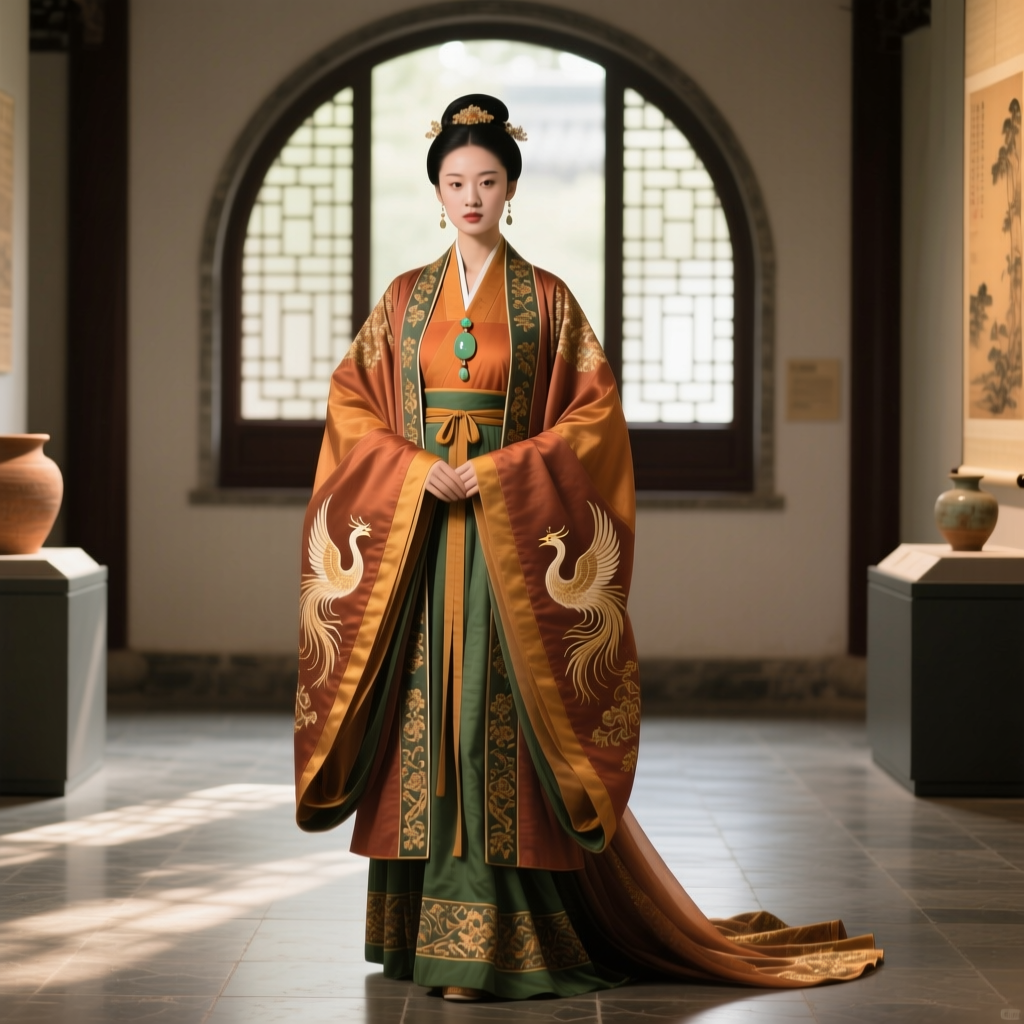
Few sartorial traditions in the world carry as much depth, symbolism, and enduring beauty as traditional Chinese clothing for women. Spanning thousands of years of continuous civilization, the garments worn by Chinese women have served as far more than mere coverings — they have been canvases for artistic expression, markers of social status, reflections of philosophical ideals, and vessels of cultural identity. From the flowing, ethereal silhouettes of the ancient hanfu to the sleek, modernist elegance of the qipao, each era of Chinese history has contributed its own distinctive chapter to this extraordinary textile narrative.
Understanding traditional Chinese clothing for women requires an appreciation of the interplay between aesthetics and meaning. Every stitch, color choice, fabric selection, and decorative motif was historically laden with significance. A woman's wardrobe communicated her marital status, regional origin, social rank, and even her moral character. Today, these garments continue to captivate designers, historians, and cultural enthusiasts around the globe, inspiring a vibrant revival movement that bridges ancient tradition with contemporary life.
In this comprehensive guide, we will journey through the origins, defining characteristics, ceremonial occasions, regional variations, and lasting cultural significance of traditional Chinese women's clothing — offering both newcomers and seasoned enthusiasts a thorough understanding of one of the world's most remarkable sartorial heritages. For a broader look at Asian garment traditions, explore our complete guide to Asian traditional clothing.
Origins and Historical Evolution of Traditional Chinese Women's Clothing
The story of traditional Chinese clothing for women begins in the earliest dynastic periods, where archaeological evidence reveals that even in the Neolithic era, communities across the Yellow River and Yangtze River valleys were producing woven textiles and adorning them with bone needles, jade beads, and dyed fibers. The foundations of what we now recognize as distinctly Chinese garment construction — the wrapped, cross-collared robe tied with sashes rather than buttons — emerged during the Shang and Zhou dynasties and would persist, evolving gracefully, for millennia.
The Han Dynasty and the Birth of Hanfu
The hanfu (汉服), literally meaning "Han clothing," takes its name from the Han Dynasty, a period widely regarded as a golden age of Chinese culture. During this era, women's clothing was characterized by the shenyi (深衣), a deep robe that connected the upper and lower garments into a single flowing piece. The cross-collar, wrapping to the right (known as youren), became a defining feature and a marker of civilized dress — wrapping to the left was associated with barbarian peoples and the deceased. Women of the Han period wore layered robes with wide sleeves, their fabrics ranging from humble hemp and ramie for commoners to exquisite silk for the aristocracy.
The Tang Dynasty: Opulence and Openness
The Tang Dynasty ushered in an era of extraordinary cosmopolitanism and artistic flourishing, and women's fashion reflected this vibrant spirit. Tang-era women wore high-waisted skirts that sat above the bust, paired with short, wide-sleeved jackets and flowing silk shawls called pibo (帔帛). The silhouettes were daringly open by later standards, with low necklines and translucent fabrics that revealed layers beneath. Bold colors — vermillion, saffron, emerald — and elaborate floral embroidery adorned the garments of fashionable women. The influence of Central Asian and Persian aesthetics was evident in the adoption of new patterns, accessories, and styling techniques, making Tang fashion one of the most eclectic and celebrated periods in Chinese dress history.
The Song and Ming Dynasties: Refinement and Restraint
As cultural values shifted toward Neo-Confucian ideals of modesty and restraint during the Song Dynasty, women's clothing became more conservative in cut while growing ever more refined in textile quality and decorative detail. Narrower sleeves, higher collars, and subdued color palettes replaced the exuberance of the Tang era. The Ming Dynasty continued this trajectory of elegant restraint, producing some of the most technically accomplished silk weaving and embroidery in Chinese history. The aoqun (袄裙) ensemble — a fitted jacket worn over a pleated skirt — became a staple of women's wardrobes during these periods and remained influential for centuries.
The Qing Dynasty and the Rise of the Qipao
The Qing Dynasty, established by the Manchu people, introduced new garment forms that would eventually give rise to the most internationally recognized piece of traditional Chinese clothing for women: the qipao (旗袍), also known in the West as the cheongsam. Originally a loose, full-length robe worn by Manchu women, the qipao underwent a dramatic transformation in the early twentieth century, particularly in Shanghai, where it was reimagined as a form-fitting, knee-to-ankle-length dress with a mandarin collar, side slits, and intricate frog button closures. This modernized qipao became a symbol of Chinese femininity and modernity, worn by socialites, film stars, and everyday women alike. For more on how Eastern garment forms have influenced global fashion, visit our guide to Eastern fashion influence.
Defining Characteristics and Key Garment Types
Traditional Chinese clothing for women encompasses a rich taxonomy of garment types, each with distinct structural features, construction methods, and aesthetic principles. While styles varied enormously across dynasties and regions, several core characteristics unite these garments under a shared design philosophy.
Structural Principles
At the heart of traditional Chinese garment construction lies the principle of flat-pattern cutting. Unlike Western tailoring, which shapes fabric to the body through darts, curved seams, and structured armholes, traditional Chinese clothing was cut from straight pieces of fabric that draped naturally over the body. This approach minimized waste — an important consideration when hand-woven silk was precious — and created garments that were inherently flexible, accommodating different body types with graceful ease. The cross-collar (jiaoling), the absence of buttons in favor of ties and sashes, and the emphasis on flowing, unbroken lines are hallmarks of this tradition.
The Hanfu Ensemble
A complete hanfu ensemble for women typically consists of several layered pieces. The yi (衣) is the upper garment, which may take the form of a cross-collared top, a round-collared blouse, or a fitted jacket. The qun (裙) or chang (裳) is the skirt, which in many historical periods was wrapped and pleated, sometimes reaching dramatic widths. Over these base layers, women might wear a banbi (半臂), a short-sleeved half-jacket, or a beizi (褙子), a long, open-front coat. Accessories such as jade pendants, silk sashes, and ornamental hairpins completed the ensemble. Our complete hanfu guide explores these elements in greater detail.
The Qipao (Cheongsam)
The modern qipao is distinguished by its mandarin collar (liling), asymmetrical front opening secured with knotted frog buttons (pankou), fitted bodice, and side slits that allow ease of movement. Fabrics range from everyday cotton and linen to sumptuous brocade, satin, and silk crepe. Embroidery motifs often feature auspicious symbols: peonies for wealth and honor, plum blossoms for resilience, phoenixes for grace and virtue, and butterflies for joy and longevity. The qipao's genius lies in its ability to be simultaneously modest and alluring, structured and fluid.
Specialized Garments
Beyond the primary garment types, traditional Chinese women's wardrobes included specialized pieces for specific contexts. The doukou (兜兜) was a decorative undergarment similar to a bodice, often elaborately embroidered and given as an intimate gift. Ceremonial xiapei (霞帔) — embroidered stoles or sashes — were worn by noblewomen and brides, their designs strictly regulated by sumptuary laws. Rain capes woven from palm fiber, padded winter jackets lined with cotton or fur, and lightweight gauze summer robes demonstrated the remarkable adaptability of Chinese textile traditions to climate and circumstance.
Occasions and Ceremonial Significance
Traditional Chinese clothing for women has always been intimately connected to the rhythms of life, marking transitions, celebrations, and solemn observances with garments chosen for their symbolic resonance.
Wedding Attire
Perhaps no occasion showcases the splendor of traditional Chinese women's clothing more vividly than a wedding. The traditional bridal ensemble is dominated by the color red — the hue of joy, prosperity, and protection against evil spirits. In southern China, the qungua (裙褂), a two-piece jacket-and-skirt set lavishly embroidered with gold and silver dragon-and-phoenix motifs, has been the bridal garment of choice for centuries. In northern traditions, brides often wore a red xiuhefu (秀禾服), a loose, flowing robe with wide sleeves and elaborate headpieces adorned with dangling filigree ornaments. The bridal veil, historically a red silk cloth covering the face, symbolized modesty and the mystery of the transition from maidenhood to married life. Learn more about ceremonial garments in our guide to traditional wedding clothing around the world.
Festivals and Seasonal Celebrations
During the Lunar New Year, women traditionally wore new garments — preferably in red or other auspicious colors — to symbolize fresh beginnings and invite good fortune. The Mid-Autumn Festival, the Dragon Boat Festival, and the Double Ninth Festival each carried their own sartorial customs, from wearing fragrant herb sachets sewn into garment folds to adorning hair with seasonal flowers. The Qixi Festival, sometimes called Chinese Valentine's Day, was historically an occasion for young women to display their needlework skills, crafting intricate embroidered accessories that demonstrated both artistry and virtue.
Court and Official Ceremonies
Women connected to the imperial court — empresses, consorts, and ladies-in-waiting — wore garments governed by extraordinarily detailed sumptuary regulations. The empress's ceremonial robe, or chaofu, featured twelve symbolic motifs including dragons, pheasants, and celestial bodies, each representing a facet of imperial authority and cosmic harmony. Rank was communicated through the number of dragons depicted, the presence or absence of certain colors (bright yellow being reserved exclusively for the emperor and empress), and the quality of materials used. These regulations ensured that clothing functioned as a legible system of social communication, readable at a glance by anyone familiar with the codes.
Coming-of-Age Ceremonies
The jili (笄礼), the traditional coming-of-age ceremony for young women, centered on the ritual pinning of the hair. A girl who had worn her hair in simple braids or loose would have it styled into an adult coiffure and secured with a hairpin, often presented by a respected elder woman. The garments worn during this ceremony — typically a series of increasingly formal robes changed between three rounds of the ritual — symbolized the young woman's readiness to assume adult responsibilities, including marriage and participation in family and community governance.
Regional Variations Across China
China's vast geography and extraordinary ethnic diversity have produced a stunning array of regional variations in traditional women's clothing, each shaped by local climate, available materials, cultural values, and historical influences.
Southern China: Cantonese and Fujian Traditions
In the humid, subtropical south, traditional women's clothing favored lightweight fabrics — fine ramie, gauze-weight silks, and later, imported cotton. Cantonese women were renowned for their xiangyunsha (香云纱), a unique silk fabric dyed with vegetable tannins and mud from the Pearl River delta, producing a distinctive dark, lustrous finish that was cool to the touch and resistant to moisture. Fujian province's Hui'an women developed a striking regional costume featuring short, fitted jackets, wide-legged trousers, and conical head coverings that protected against sun and wind while working in coastal fields and fishing villages. These practical yet beautiful garments stand as testament to the ingenuity of working women's dress traditions.
Southwestern China: Ethnic Minority Textile Arts
The southwestern provinces of Guizhou, Yunnan, and Guangxi are home to dozens of ethnic minority groups, each with distinctive women's clothing traditions of breathtaking complexity. Miao women are celebrated for their pleated indigo-dyed skirts, some requiring over twenty meters of hand-woven fabric, and for their extraordinary silver jewelry — headdresses, neck rings, and breastplates that could weigh several kilograms. Yi women wear elaborately embroidered capes called chapi, while Zhuang women are known for their zhuang brocade, one of China's four famous brocade traditions. The batik and tie-dye techniques of the Bai and Dong peoples produce textiles of remarkable beauty, their patterns encoding myths, genealogies, and spiritual beliefs. For more on textile traditions, see our guide to global textile heritage.
Northern and Northeastern China
The harsh winters of northern and northeastern China necessitated warm, layered clothing. Women in these regions wore padded jackets and trousers, fur-lined robes, and heavy felt boots. Manchu women's traditional dress, which as noted above would eventually evolve into the modern qipao, featured long, straight robes with horseshoe-shaped cuffs that could be folded down to cover the hands in cold weather. The huapen shoe, a platform shoe with a flower-pot-shaped base, was a distinctive element of Manchu women's formal attire, elevating the wearer both physically and symbolically.
The Jiangnan Region: Silk Capital Elegance
The Jiangnan region — encompassing the silk-producing cities of Suzhou, Hangzhou, and Nanjing — developed perhaps the most refined tradition of women's clothing in Chinese history. Suzhou embroidery (suzhou), with its impossibly fine stitches and photorealistic rendering of flowers, birds, and landscapes, transformed garments into wearable art. The literati culture of this region valued subtlety and understated elegance, and women's clothing reflected these ideals through restrained color palettes, exquisite fabric quality, and decorative motifs drawn from classical poetry and painting.
Cultural Significance and the Modern Revival
Traditional Chinese clothing for women is far more than a collection of historical costumes — it is a living cultural system that continues to evolve, inspire, and provoke meaningful conversations about identity, heritage, and belonging.
Symbolism and Philosophy in Dress
Every element of traditional Chinese women's clothing carries symbolic weight rooted in philosophical and cosmological frameworks. The five colors — red, yellow, blue, white, and black — correspond to the five elements (fire, earth, wood, metal, and water) and were used deliberately to invoke balance and harmony. The preference for the right-over-left collar wrapping reflected the Confucian association of the right side with life, order, and civilization. Circular motifs represented heaven; square motifs represented earth. Dragons symbolized imperial power and yang energy, while phoenixes represented the empress and yin energy. When worn together, the dragon-and-phoenix motif embodied the harmonious union of complementary forces — a theme central to Chinese cosmology and a favored design for wedding garments.
The Hanfu Revival Movement
In recent decades, a passionate grassroots movement known as the hanfu yundong (汉服运动) has emerged, driven largely by young people seeking to reconnect with pre-Qing Chinese cultural heritage. What began as a niche interest among history enthusiasts and university students has blossomed into a mainstream cultural phenomenon, with hanfu festivals, dedicated retail brands, social media communities, and even hanfu-themed tourism experiences drawing millions of participants. Women are at the forefront of this movement, not only as wearers but as designers, researchers, entrepreneurs, and educators who are reinterpreting historical garments for modern life while maintaining fidelity to traditional construction principles. Explore how cultural garments are being preserved worldwide in our guide to cultural heritage clothing preservation.
The Qipao as a Global Icon
The qipao occupies a unique position in global fashion consciousness. Adopted and adapted by Western designers throughout the twentieth century, it became one of the most recognizable garments in the world — though not without controversy. Debates around cultural appreciation versus appropriation, the exoticization of Asian women, and the tension between the qipao's origins and its Western reinterpretations continue to shape conversations about this iconic dress. Within China and the Chinese diaspora, the qipao remains a beloved garment for formal occasions, diplomatic events, and celebrations, its enduring appeal a testament to the timelessness of its design.
Sustainability and Craft Preservation
The growing global interest in traditional Chinese clothing has intersected with broader conversations about sustainable fashion and artisanal craft preservation. Traditional techniques — hand-loom weaving, natural dyeing, hand embroidery, and flat-pattern construction — align remarkably well with contemporary values of environmental responsibility, zero-waste design, and slow fashion. Organizations and individual artisans across China are working to document, teach, and sustain endangered textile skills, ensuring that the knowledge embedded in these garments is not lost. Supporting these efforts is not merely an act of cultural preservation but a contribution to a more thoughtful and sustainable global fashion ecosystem.
Frequently Asked Questions
What is the difference between hanfu and qipao?
The hanfu and the qipao represent two distinct traditions within Chinese women's clothing, separated by centuries of history and different cultural origins. Hanfu refers to the clothing traditions of the Han Chinese people, characterized by cross-collared robes, flowing sleeves, wrapped skirts, and sash ties, with roots extending back over three thousand years. The qipao, by contrast, originated from Manchu women's robes during the Qing Dynasty and was modernized in the early twentieth century into a form-fitting dress with a mandarin collar and frog button closures. While hanfu emphasizes drape and volume, the modern qipao emphasizes silhouette and structure. Both are considered authentic expressions of Chinese sartorial heritage, and many women today wear both depending on the occasion and their personal connection to each tradition.
Is it appropriate for non-Chinese women to wear traditional Chinese clothing?
This is a nuanced question that deserves a thoughtful answer. Generally, Chinese cultural traditions have a long history of welcoming outsiders who approach them with genuine respect, curiosity, and a desire to learn. Wearing traditional Chinese clothing at a Chinese wedding, cultural festival, or other appropriate occasion — particularly when invited to do so — is widely regarded as a gesture of appreciation rather than appropriation. The key considerations are context, intent, and respect. Avoid treating these garments as costumes for parties or Halloween, educate yourself about the significance of what you are wearing, support authentic artisans and designers rather than fast-fashion imitations, and be open to learning from the community. When in doubt, asking a knowledgeable friend or cultural organization for guidance is always a respectful approach.
How do I choose the right traditional Chinese garment for an occasion?
Choosing the right garment depends on the nature of the occasion, the season, and your personal comfort. For formal events such as weddings or galas, a well-tailored qipao in silk brocade or satin is an elegant and widely accepted choice. For cultural festivals, historical reenactments, or personal practice, a hanfu ensemble appropriate to a specific dynasty can be deeply rewarding to wear and research. Consider the climate — lightweight fabrics and open-weave gauze for summer, layered robes and padded garments for winter. Color choices carry meaning: red for celebrations, white traditionally associated with mourning, and soft pastels for everyday elegance. When investing in your first traditional garment, prioritize quality of fabric and construction over ornate decoration, as a well-made simple piece will serve you beautifully across many occasions.
Where can I learn more about traditional Chinese textile techniques?
There are many wonderful avenues for deepening your knowledge of traditional Chinese textile arts. Museums with significant Chinese textile collections — such as the China Silk Museum in Hangzhou, the Palace Museum in Beijing, and international institutions like the Metropolitan Museum of Art and the Victoria and Albert Museum — offer exhibitions, publications, and online resources. Academic works on Chinese dress history, such as those by scholars like Valerie Steele and John Vollmer, provide rigorous historical context. For hands-on learning, workshops in embroidery, natural dyeing, and loom weaving are increasingly available both in China and internationally. Online communities dedicated to hanfu and traditional Chinese crafts are vibrant spaces for sharing knowledge, sourcing materials, and connecting with artisans. Visit our textile heritage guide for additional resources and learning pathways.
How should I care for traditional Chinese garments?
Proper care ensures that traditional Chinese garments remain beautiful and wearable for generations. Silk garments should be stored flat or on wide, padded hangers to prevent distortion of the fabric. Avoid prolonged exposure to direct sunlight, which can fade natural dyes and weaken silk fibers. Embroidered pieces should be stored with acid-free tissue paper between folds to prevent creasing and thread damage. Cleaning methods vary by fabric: many silk garments are best dry-cleaned by specialists familiar with delicate textiles, while cotton and ramie pieces can often be gently hand-washed. Frog buttons and delicate trims should be inspected regularly and repaired promptly to prevent further damage. For heirloom or antique garments, consultation with a textile conservator is advisable before any cleaning or repair attempt. Treating these garments with care is itself an act of cultural respect — honoring the labor, skill, and heritage woven into every thread.
Traditional Chinese clothing for women is a profound expression of one of humanity's oldest and most continuous civilizations. Whether you are drawn to the scholarly elegance of a Song Dynasty beizi, the joyful opulence of a Tang-era silk ensemble, the refined modernity of a perfectly tailored qipao, or the intricate artistry of a Miao pleated skirt, you are engaging with a tradition that has always understood clothing as something far greater than fashion — as a language of identity, a medium of art, and a bridge between past and future. We invite you to continue exploring the rich world of garment heritage through our complete collection of cultural garment guides at The Garment Atlas.