African Clothing Patterns: Cultural Guide
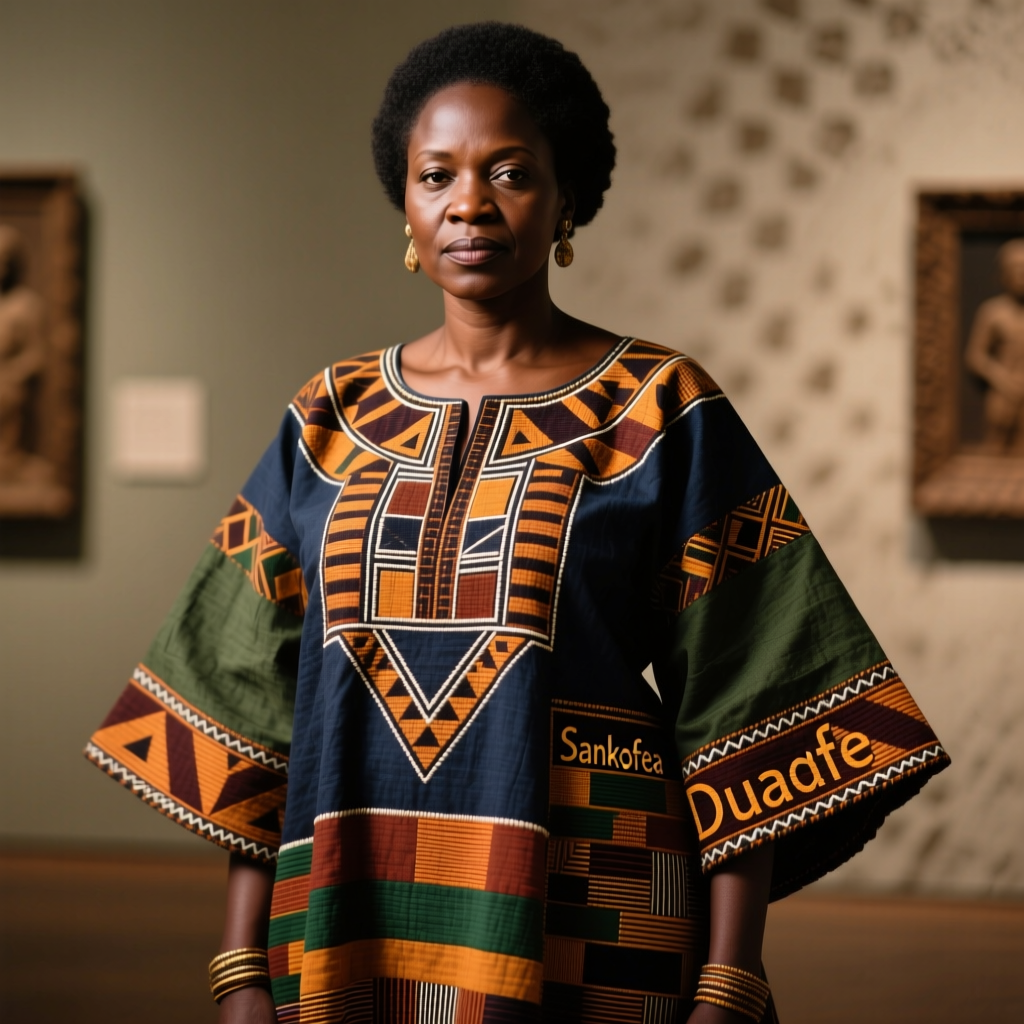
Traditional African Clothing Patterns: A Comprehensive Cultural Guide
Long before the rise of modern fashion houses & global textile conglomerates, the peoples of Africa were weaving, dyeing, stamping & embroidering fabrics that told the stories of their civilizations. Traditional African clothing patterns are far more than decorative motifs — they are visual languages, encoded with meaning, history, social status, spiritual beliefs & communal identity. From the indigo-dyed adire cloth of the Yoruba people to the geometric brilliance of Kente weaving in Ghana, every line, shape & color carries intention.
The African continent, home to thousands of ethnic groups & an extraordinary diversity of cultures, has produced some of the most intricate & symbolically rich textile traditions the world has ever known. These patterns have survived centuries of colonization, trade, migration & globalization — not merely as relics of the past, but as living, evolving art forms that continue to shape fashion, design & cultural expression today.
In this guide, we journey across the continent to explore the origins, characteristics, cultural significance & regional variations of traditional African clothing patterns. Whether you are a student of fashion history, a designer seeking deeper understanding, or simply someone fascinated by the intersection of culture & craft, this article offers a thorough exploration of one of humanity's greatest textile legacies. For more on global garment traditions, you may also enjoy our broader garment guides & cultural heritage pages.
Origins & History of Traditional African Textile Patterns
The story of African textile patterns stretches back thousands of years, long before written records captured the details. Archaeological evidence suggests that weaving & textile production existed in parts of Africa as early as ancient Egypt & Nubia, where linen was woven on horizontal looms & decorated with symbolic motifs. In West Africa, remnants of woven fibers & dyed fabrics date back many centuries, pointing to a deeply rooted tradition of cloth-making that was central to daily life, trade & ceremony.
Before the introduction of imported fabrics through trans-Saharan & later trans-Atlantic trade routes, African communities relied on locally sourced materials. Cotton was cultivated & spun by hand across the Sahel & savanna regions. Raffia palm fibers were woven into cloth in Central Africa. Bark cloth, produced by beating the inner bark of specific trees, was common in parts of East & Southern Africa. Animal hides & leather, too, were treated, decorated & worn, often bearing patterns that signified clan affiliation or spiritual protection.
The development of pattern-making techniques evolved alongside the materials themselves. Resist-dyeing methods — where parts of the fabric are protected from dye using starch, wax, or tied bindings — emerged independently across multiple regions. Strip-weaving, in which narrow bands of cloth are woven on small looms & then sewn together to create larger garments, became a hallmark of West African textile traditions. Appliqué, embroidery & beadwork added further layers of meaning & beauty to garments worn by royalty, warriors, priests & everyday people alike.
Trade played a pivotal role in the evolution of African textile patterns. Arab & Berber merchants brought silk, cotton & new dyeing techniques across the Sahara. Portuguese, Dutch & British traders introduced European textiles, which African artisans then reinterpreted & transformed. The famous Dutch wax prints, now so closely associated with West & Central African fashion, originated from Indonesian batik techniques that European manufacturers adapted & marketed to African consumers. African women, in particular, became powerful arbiters of taste, assigning local names, meanings & cultural significance to these imported patterns — effectively making them their own. To understand how trade shaped garments globally, explore our guide on textile trade routes throughout history.
Key Pattern Types & Their Characteristics
Traditional African clothing patterns can be broadly categorized by the techniques used to create them & the visual characteristics that define them. While every ethnic group & region has its own distinctive styles, several major pattern types have achieved widespread recognition & influence.
Geometric Patterns
Geometric motifs — triangles, zigzags, diamonds, chevrons, squares & circles — are among the most recognizable elements in African textile design. These shapes are rarely arbitrary. In many traditions, a triangle pointing upward might represent masculinity or spiritual aspiration, while a downward-pointing triangle symbolizes femininity or earthly connection. Zigzag patterns often represent the path of life, the movement of water, or the unpredictability of fate. The Dogon people of Mali, for instance, embed complex cosmological ideas within geometric designs woven into their blankets & garments.
Strip-Woven Patterns
Strip-weaving is a technique in which narrow strips of fabric, typically between two & ten inches wide, are woven on a horizontal treadle loom & then sewn edge-to-edge to form a larger cloth. The resulting patterns emerge from the interplay of colored threads within each strip & the arrangement of strips relative to one another. The most celebrated example is Kente cloth from Ghana, where each named pattern carries specific proverbs, historical references or royal associations. Among the Ashanti, certain Kente patterns were historically reserved exclusively for the king & his immediate family.
Resist-Dyed Patterns
Resist-dyeing encompasses a family of techniques in which portions of fabric are shielded from dye to create patterns. The Yoruba people of southwestern Nigeria are renowned for adire cloth, which employs two primary resist methods: adire eleso (tied & stitched resist, similar to tie-dye) & adire eleko (starch resist, where cassava paste is applied to the fabric using feathers, stencils or freehand drawing before dyeing in indigo vats). The resulting patterns range from delicate radial designs to bold, graphic compositions depicting everyday objects, animals & proverbial sayings.
In West Africa more broadly, mud cloth (or bògòlanfini) from Mali uses a reverse resist technique. Cotton fabric is dyed with plant-based solutions & then painted with fermented mud, creating striking dark patterns against lighter backgrounds. The symbols in mud cloth — fish bones, concentric circles, hunter's sandals, crescent moons — each carry specific meanings rooted in Bamana cosmology & social life.
Wax Print & Fancy Print Patterns
Though their origins involve cross-cultural exchange, wax prints have become deeply embedded in African sartorial culture. These fabrics are characterized by vibrant colors, bold outlines & patterns that range from abstract swirls to recognizable objects like fans, keys, birds & flowers. Each design is typically given a name & associated meaning by the women who buy & wear them. A pattern called "My Husband's Eyes" might convey romantic devotion, while "If You Leave, I Leave" communicates a warning. Fancy prints, a more affordable alternative to true wax prints, use roller-printing rather than wax-resist techniques but follow similar aesthetic & communicative traditions. Learn more about the cultural journey of these fabrics in our guide to African wax print fabrics.
Embroidered & Appliqué Patterns
Embroidery & appliqué have been used across the continent to add pattern, texture & meaning to garments. The Kanuri people of northeastern Nigeria create elaborate embroidered robes, while the Kuba people of the Democratic Republic of Congo produce stunning raffia-cloth panels decorated with cut-pile embroidery in geometric designs. In the Kingdom of Dahomey (present-day Benin), large appliqué banners depicted royal achievements, historical battles & symbolic animals, functioning as both art & political record.
Regional Variations Across the Continent
Africa's vast geography & cultural diversity mean that traditional clothing patterns vary enormously from one region to the next. Climate, available materials, religious influences, trade connections & social structures all shape the textile traditions of each area.
West Africa
West Africa is arguably the most internationally recognized region for traditional African textile patterns, thanks in large part to Kente, adire, mud cloth & wax prints. Among the Ashanti & Ewe peoples of Ghana, Kente cloth remains a symbol of prestige, worn during festivals, weddings, funerals & other significant occasions. Each Kente design has a name — such as Sika Futuro ("gold dust") or Oyokoman (referencing the Oyoko clan) — & the choice of pattern communicates specific messages about the wearer's identity, aspirations or social commentary.
In Nigeria, the Yoruba, Igbo, Hausa & numerous other ethnic groups each maintain distinct textile traditions. Yoruba aso-oke is a hand-woven strip cloth used for ceremonial garments, often featuring metallic threads & intricate patterns that denote status & occasion. The Igbo people of southeastern Nigeria are known for akwa-ocha, a white cloth decorated with indigo or black geometric patterns, traditionally worn by titled men & women. Among the Hausa, embroidered babban riga robes display elaborate patterns around the neckline & chest, with the complexity & quality of embroidery reflecting the wearer's wealth & position.
East Africa
East African textile traditions reflect the region's long history of Indian Ocean trade, Islamic influence & pastoral lifestyles. The kanga & kitenge (or chitenge) are among the most widely worn patterned fabrics in countries like Kenya, Tanzania, Uganda & Mozambique. Kangas are rectangular cotton cloths printed with bold patterns & invariably featuring a Swahili proverb or saying along the bottom border. These sayings transform the garment into a medium of communication — a woman might wear a kanga with a particular proverb to send a message to a rival, a lover, or her community without speaking a word.
In Ethiopia, traditional habesha kemis dresses are made from handwoven cotton cloth called shemma, decorated with colorful embroidered borders known as tibeb. The tibeb patterns feature crosses, geometric shapes & floral motifs that reflect Ethiopia's ancient Christian heritage & unique position as one of the few African nations never fully colonized. For more on East African garment traditions, see our East African textile heritage page.
North Africa
North African textile patterns bear the imprint of Berber (Amazigh), Arab, Islamic & Mediterranean influences. Berber weaving traditions, particularly in Morocco & Algeria, produce rugs, blankets & garments decorated with diamond shapes, zigzags, hand symbols (khamsa) & eye motifs — all believed to offer protection against the evil eye & other spiritual threats. The colors used — saffron yellow, henna red, indigo blue — are derived from natural dyes & carry their own symbolic associations.
In Egypt, the legacy of ancient textile arts persists in contemporary galabeya & other traditional garments, often featuring embroidery patterns that trace their lineage back to Pharaonic & Coptic traditions. Islamic geometric patterns, with their emphasis on infinite repetition & mathematical precision, also feature prominently in North African textile design, particularly in ceremonial & religious contexts.
Southern Africa
Southern African textile traditions are characterized by beadwork, animal hide decoration & woven patterns. The Zulu people of South Africa are renowned for their intricate beadwork, where color combinations & geometric patterns convey messages about love, marriage, social status & age. A beaded love letter, or ibheqe, uses specific color sequences to communicate emotions — white for purity, red for passion, black for sorrow or longing.
The Basotho people of Lesotho are famous for their distinctive woven blankets, known as seanamarena, which feature bold geometric patterns including corncob motifs, diamond shapes & stripe arrangements. Originally introduced through trade with European manufacturers, these blankets have been thoroughly integrated into Basotho cultural identity & are worn during initiation ceremonies, weddings & other important events. The Xhosa people also maintain rich traditions of patterned garments, with specific designs & colors associated with different stages of life & social roles.
Central Africa
Central African textile traditions are perhaps best exemplified by the Kuba cloth of the Democratic Republic of Congo. Made from raffia palm fiber, Kuba cloth is decorated using a combination of embroidery, appliqué, patchwork & cut-pile techniques to create complex geometric patterns that resemble velvet in texture. Each pattern, known as mbala, is associated with specific Kuba kings & historical periods, making these textiles both artistic masterpieces & historical documents.
Bark cloth, produced from the inner bark of the mutuba tree, has been made for centuries in Uganda by the Baganda people. The cloth is beaten until soft & then decorated with painted or stenciled patterns. Traditionally used for burial shrouds, ceremonial garments & household items, bark cloth represents one of the oldest textile traditions on the continent.
Cultural Significance & Symbolism of African Clothing Patterns
To view traditional African clothing patterns as merely aesthetic is to miss their profound cultural depth. Across the continent, patterned textiles function as vehicles of communication, markers of identity, instruments of social cohesion & conduits of spiritual power.
Identity & Social Status
In many African societies, the patterns you wear announce who you are before you speak a word. Ethnic identity, clan membership, age grade, marital status, occupation & social rank can all be encoded in textile patterns. Among the Ashanti, certain Kente designs were historically reserved for royalty, while others were available to commoners. In many West African societies, the quality, complexity & quantity of patterned cloth a person owns & wears serves as a visible indicator of wealth & achievement.
Proverbs & Communication
Many African textile patterns function as a form of non-verbal communication, carrying proverbs, warnings, declarations of love, social commentary & political statements. The naming tradition associated with wax prints is a prime example: a single pattern might be known by different names in different communities, each reflecting local concerns, humor & wisdom. In this way, textiles become a shared cultural text — readable by those who understand the visual language.
Spiritual & Ceremonial Importance
Patterned textiles play essential roles in rites of passage, religious ceremonies & spiritual practices throughout Africa. Specific patterns may be required for naming ceremonies, initiation rituals, weddings, funerals & festivals. In some traditions, certain patterns are believed to possess protective qualities, warding off evil spirits or inviting the favor of ancestors. The use of particular colors — white for purity & spiritual connection, red for sacrifice & power, black for maturity & ancestral wisdom — further deepens the spiritual resonance of patterned garments.
Resistance, Resilience & Cultural Continuity
During periods of colonization & cultural suppression, traditional clothing patterns served as acts of resistance & assertions of identity. Wearing indigenous textiles in the face of imposed European dress codes was a powerful statement of cultural pride & self-determination. Today, the continued production, wearing & celebration of traditional African patterns represents an ongoing commitment to cultural continuity — a refusal to let ancestral knowledge & beauty be erased by homogenizing global forces.
The global influence of these patterns on contemporary fashion, interior design & visual art speaks to their enduring power & relevance. Designers across the continent & in the diaspora continue to draw on traditional motifs, reinterpreting them for new contexts while honoring their origins. For further reading on how traditional garments influence modern design, visit our global traditional garments collection.
Frequently Asked Questions
What is the most famous traditional African clothing pattern?
Kente cloth from Ghana is arguably the most internationally recognized traditional African clothing pattern. Originally woven by the Ashanti & Ewe peoples, Kente is characterized by its vivid colors, geometric strip-woven designs & deeply symbolic named patterns. It has become a global symbol of African heritage & pride, worn by heads of state, celebrities & everyday people celebrating their connection to African culture. Other widely known patterns include Yoruba adire, Malian mud cloth (bògòlanfini) & East African kanga prints.
What do the colors in African clothing patterns mean?
Color symbolism in African clothing patterns varies by culture & region, but some common associations exist across many traditions. Gold & yellow typically represent wealth, royalty, fertility & spiritual purity. Red often signifies blood, sacrifice, political power, or spiritual tension. Blue is frequently associated with peace, harmony, love & the sky or water. Green represents growth, renewal, the land & prosperity. Black can symbolize maturity, spiritual energy, ancestral connection & mourning. White is commonly linked to purity, spirituality, celebrations & contact with the divine. However, these meanings are not universal — the same color may carry very different connotations in different cultural contexts.
Are African clothing patterns still worn today?
Absolutely. Traditional African clothing patterns are not museum artifacts — they are living traditions worn daily by millions of people across the continent & throughout the diaspora. In many African cities, it is common to see people wearing wax print garments to work, market & social events. Ceremonial textiles like Kente, aso-oke & Basotho blankets remain essential for weddings, funerals, graduations & festivals. Contemporary African fashion designers regularly incorporate traditional patterns into modern silhouettes, ensuring these traditions remain dynamic & relevant. The global African diaspora has also embraced these patterns as powerful expressions of cultural identity & pride.
How can I respectfully wear or use traditional African patterns?
Respectful engagement with traditional African clothing patterns begins with understanding their cultural significance & context. Purchase authentic textiles from African artisans, cooperatives & reputable sources rather than mass-produced imitations that exploit cultural heritage without benefiting the communities that created it. Learn about the specific meanings & appropriate uses of patterns — some designs may be reserved for specific ceremonies, genders or social positions. Acknowledge the cultural origins of the patterns you wear & avoid treating sacred or ceremonial textiles as mere fashion statements. Supporting African-owned businesses & designers is one of the most meaningful ways to appreciate & sustain these traditions. For more guidance on ethical engagement with traditional garments, see our ethical cultural fashion resource.
What is the difference between Kente, adire & mud cloth?
These three textiles differ in their production techniques, materials & cultural origins. Kente is a strip-woven cloth from Ghana, created on a narrow loom using silk or cotton threads in vibrant colors to produce geometric patterns that are then sewn together. Adire is a resist-dyed cloth from the Yoruba people of Nigeria, typically made using indigo dye & techniques such as tie-dye, stitch resist, or starch resist to create patterns on cotton fabric. Mud cloth (bògòlanfini) comes from the Bamana people of Mali & is made by dyeing handwoven cotton strips with plant-based solutions & then painting patterns using fermented mud. Each textile reflects the unique cultural, environmental & historical context of its people of origin, & all three continue to be produced using both traditional & modernized methods.
Traditional African clothing patterns represent one of the most diverse, symbolically rich & culturally significant textile traditions in human history. From the geometric precision of Kente weaving to the poetic proverbs printed on kanga cloth, these patterns remind us that clothing is never just about covering the body — it is about expressing who we are, what we believe & where we come from. As these traditions continue to evolve & inspire new generations, they carry forward the creativity, wisdom & resilience of the cultures that created them. Explore more of our garment guides to discover the stories woven into clothing traditions around the world.