How to Care for Handwoven Textiles (2026)

Preserving Handwoven Textiles: A Care Guide
Handwoven textiles — whether a Ghanaian kente cloth, Japanese kimono silk, or Guatemalan huipil — represent hundreds of hours of skilled labor and centuries of cultural knowledge. Proper care ensures these pieces last for generations rather than deteriorating from improper washing, storage, or display.
General Cleaning Principles
- Never machine wash handwoven pieces unless the artisan specifically confirms it's safe. The agitation can break hand-spun fibers and distort the weave structure.
- Hand wash in cool water (below 30°C/86°F) with a pH-neutral detergent like Eucalan or Soak. Avoid standard laundry detergents — their enzymes can damage natural fibers.
- Never wring or twist. Gently press water out between two clean towels, then lay flat to dry away from direct sunlight.
Fiber-Specific Care
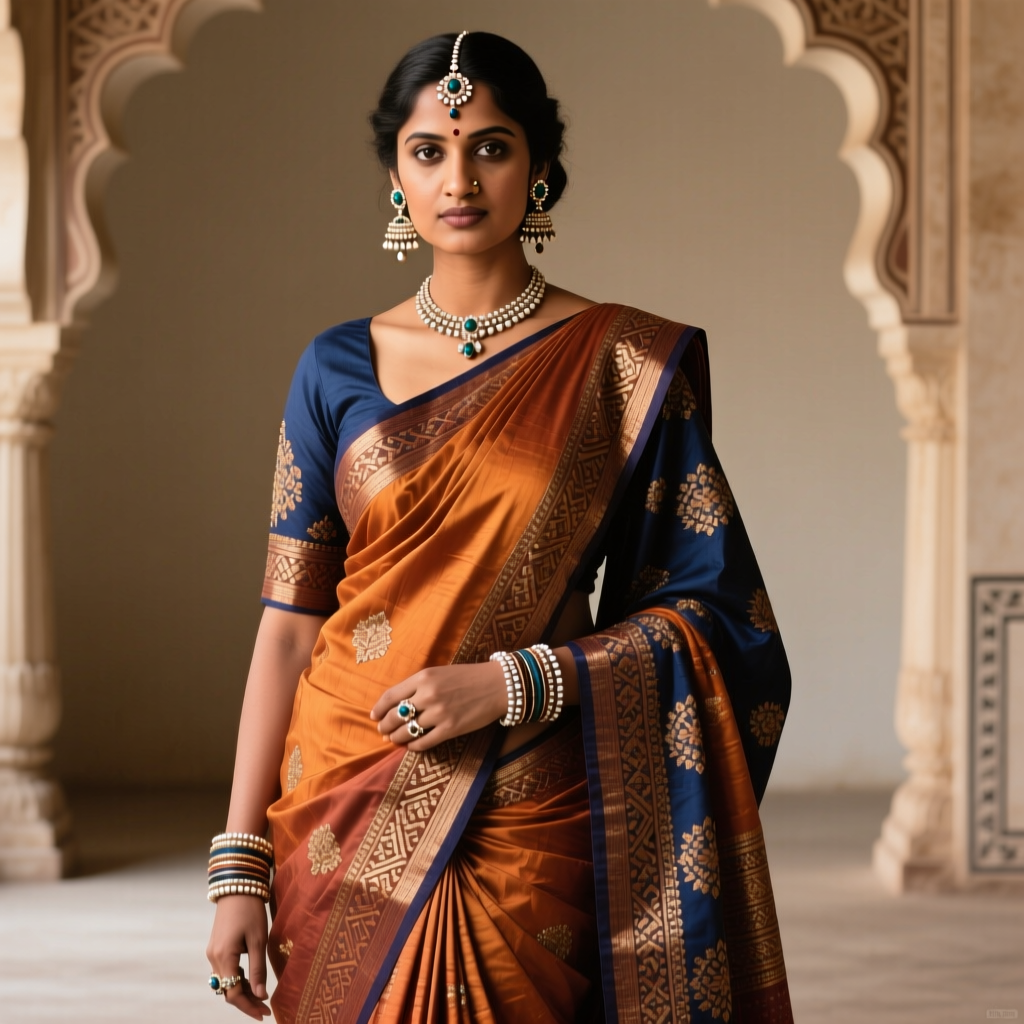
Silk: Dry clean only for structured garments (kimonos, dirndls). Flat silk pieces (scarves, stoles) can be hand-washed in cool water with silk-specific detergent. Never use bleach — it dissolves silk fibers.
Wool: Hand wash in lukewarm water. Never agitate (causes felting). Roll in a towel to absorb water, reshape while damp, and dry flat.
Cotton: The most forgiving fiber. Hand wash in warm water. Natural-dyed cotton may bleed color on first wash — test a corner first.
Bark cloth (tapa/siapo): Do NOT wash. Dust gently with a soft brush. Display flat or framed behind UV-filtering glass.
Storage Best Practices
- Store in acid-free tissue paper, folded with tissue padding at fold lines to prevent permanent creases.
- Never store in plastic bags (traps moisture, encourages mold). Use cotton pillowcases or muslin bags instead.
- Refold every 6 months along different lines to prevent fiber fatigue at fold points.
- Keep away from cedar (oils can stain) and mothballs (chemicals damage natural dyes). Use lavender sachets instead.
Display Guidelines
If displaying textile art, use UV-filtering frames or hang in areas with no direct sunlight. Rotate displayed pieces every 6 months. For heavy pieces (large tapestries, handira capes), use a hanging sleeve and rod rather than pins or nails that stress individual fibers.