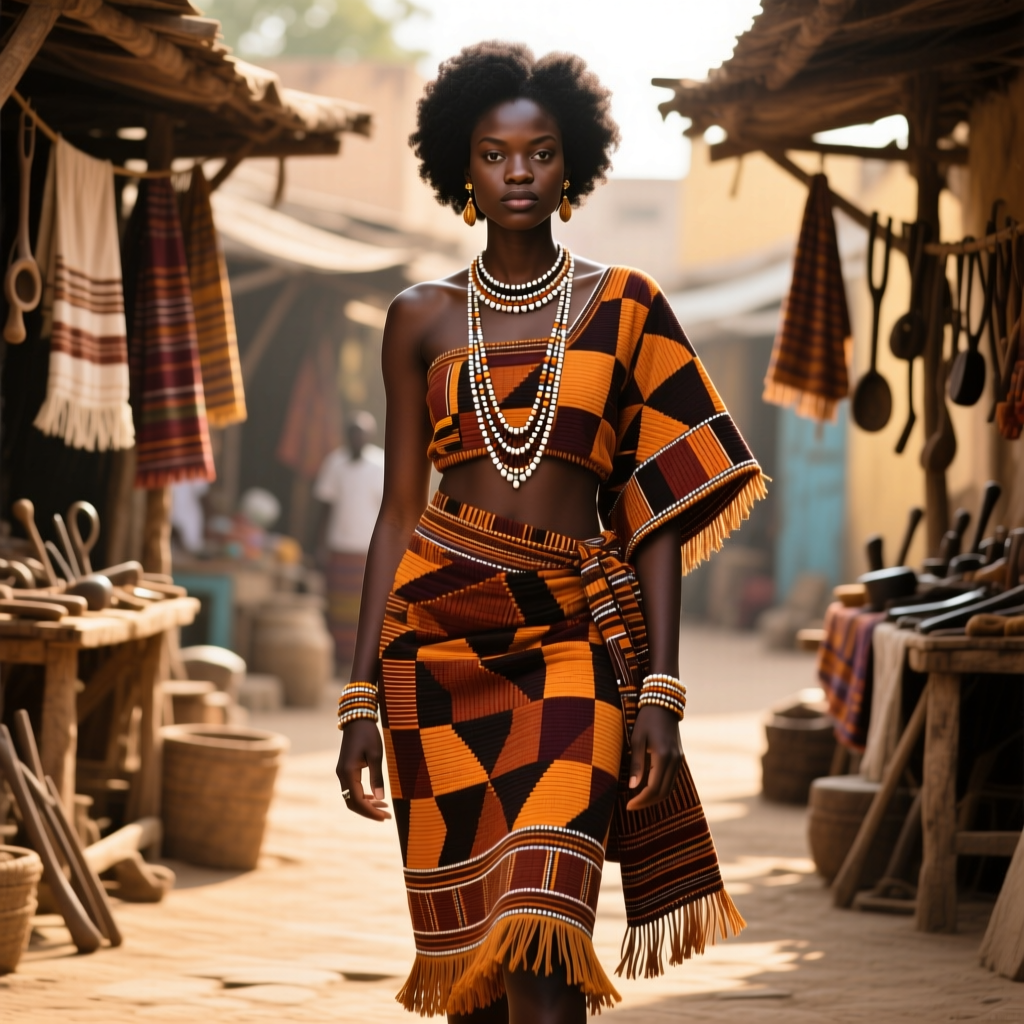
Buying Vintage Textiles: Authenticity Tips
Know What You're Buying
The vintage textile market is booming — collectors, designers, and museums compete for rare pieces. But reproductions, fakes, and misidentified items are common. Whether you're buying a Japanese kimono, a Moroccan wedding blanket, or Victorian lace, authentication skills protect your investment.
Age Indicators
Several factors help date a textile. Fiber content: natural dyes (pre-1860s) have different color characteristics than synthetic dyes. Hand-spun thread shows irregular thickness; machine-spun thread is uniform. Hand-stitched seams have slightly uneven spacing; machine stitching is perfectly regular. Patina — the natural aging of fibers — cannot be easily faked.
Red Flags
Be wary of: perfectly preserved items at low prices; machine-stitched "handmade" pieces; synthetic fibers in supposedly pre-1940s items (burn test: natural fibers turn to ash, synthetics melt into hard beads); motifs that don't match the claimed origin; and sellers who cannot provide provenance.
- Burn test: ash = natural fiber, bead = synthetic
- Thread regularity: irregular = hand-spun (older)
- Dye characteristics: natural dyes fade differently than synthetic
- Patina: genuine aging shows consistent wear patterns
- Provenance: always ask for history and documentation