Oktoberfest Lederhosen for Women: Cultural Shifts in Bavarian Tracht

When the Theresienwiese opens its gates for Munich’s Oktoberfest, the visual landscape is a vibrant tapestry of Bavarian and Alpine heritage. While the Dirndl has long been the undisputed uniform for women attending the festival, a profound sartorial shift has taken root over the last two decades. The emergence and growing popularity of Oktoberfest lederhosen for women represents far more than a fleeting fashion trend; it is a reclamation of utilitarian heritage, a challenge to historical gender norms within Tracht (traditional regional dress), and a rejection of the hyper-commercialized, mass-produced festival costumes sold to tourists.
The Historical Divide: Men in Leather, Women in Cotton
To understand the cultural weight of women wearing leather breeches, one must first examine the historical gender divide in Alpine clothing. The Lederhose (plural: Lederhosen) originated in the 18th century as the rugged, utilitarian workwear of Bavarian and Tyrolean foresters, hunters, and peasants. According to archives at the Bayerisches Nationalmuseum, the garment evolved from French culottes, adapted by Alpine workers who required durable, weather-resistant legwear that could withstand the harsh realities of mountain labor and forestry.
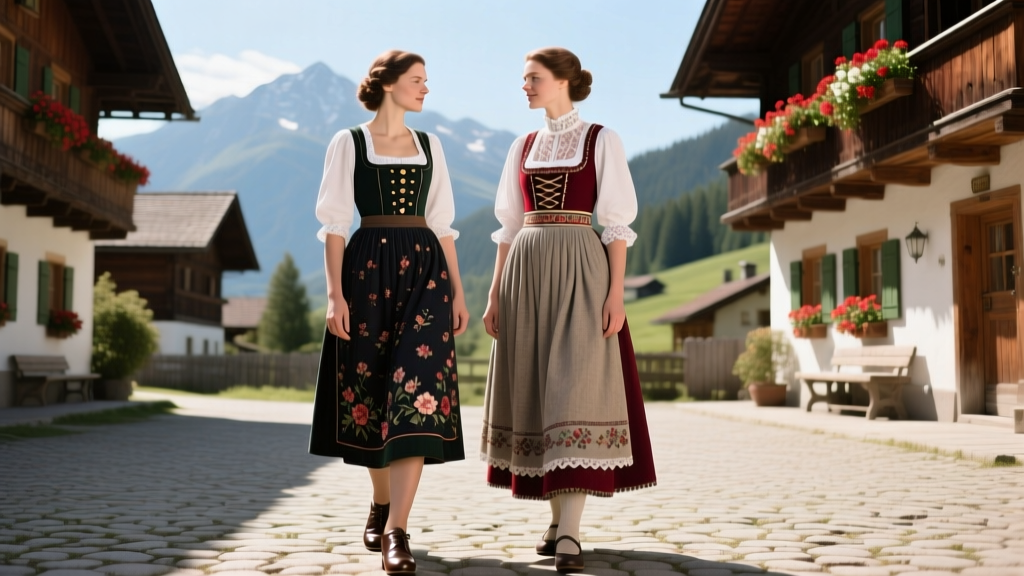
Conversely, women’s traditional dress—the Dirndlgewand—was rooted in domestic and agricultural labor, consisting of a bodice, blouse, full skirt, and apron. For centuries, the cultural protocol was rigid: men wore leather, women wore textiles. A woman wearing trousers in rural Bavaria was not merely unconventional; it was socially taboo, directly conflicting with the deeply conservative, Catholic values of the Alpine regions. The Lederhose was intrinsically tied to male Männerbünde (men’s associations) and hunting societies, cementing its status as a patriarchal symbol of Alpine identity.
The Modern Shift: Reclaiming the Alpine Narrative
The transition of the Lederhose from an exclusively male garment to a unisex symbol of Bavarian pride was neither immediate nor universally welcomed. The initial fractures in this tradition appeared in the 1970s and 1980s, driven by the women's liberation movement and a growing desire for practical, weather-appropriate festival attire. However, it was in the 2010s that the Damenlederhose (women's leather breeches) truly entered the cultural mainstream.
Today, many Bavarian women choose lederhosen for Oktoberfest as a deliberate counter-statement to the modern "Wiesn-Dirndl"—a term used to describe the mass-produced, often revealing, polyester costumes marketed to tourists. By donning authentic, tailored leather breeches, women align themselves with the Trachtenvereine (traditional dress associations) and signal a deep respect for historical craftsmanship. The Trachteninformationszentrum in Benediktbeuern notes that modern Tracht is a living tradition; it evolves to reflect the contemporary lives of its wearers while maintaining strict adherence to regional tailoring and material standards.
Anatomy of a Woman’s Lederhose: Construction and Tailoring
Authentic women’s lederhosen are not simply scaled-down versions of men’s breeches. Master leatherworkers (Säckler) employ specific tailoring techniques to accommodate female anatomy while preserving the garment's historical integrity.
- The Latze (Drop-Front Flap): The iconic buttoned front flap is retained for authenticity, though the rise is often adjusted to sit comfortably at the natural waist or slightly above, providing a more flattering and secure fit for women.
- Hip-to-Waist Ratio: Men’s breeches are cut relatively straight through the hip. Women’s patterns feature a more pronounced curve from the waist to the hip, preventing the stiff leather from gaping at the small of the back.
- Length Variations: While the traditional Kurze Lederhose (ending above the knee) remains the gold standard for authenticity, some modern interpretations offer a slightly longer inseam. However, full-length leather trousers (Bundhosen) are generally reserved for men or specific winter hunting contexts.
- Hosenträger (Suspenders): Cross-back or H-back suspenders are essential. They are often adorned with regional embroidery and are structurally necessary, as authentic deer leather stretches and molds to the body over time, requiring suspenders to maintain the proper waistline.
Material Matters: The Hierarchy of Alpine Leathers
The cultural and financial value of a Damenlederhose is inextricably linked to its material. The tanning and sourcing of the leather dictate the garment's breathability, longevity, and drape.
Hirschleder (Deer Leather)
The undisputed pinnacle of Alpine leatherwork. Sourced from wild Alpine deer or red deer, Hirschleder is tanned using traditional brain-tanning or vegetable-tanning methods, followed by a labor-intensive process of working the leather with wooden stakes to achieve a suede-like finish (Sämischgerbung). It is incredibly soft, breathable, and develops a rich patina with wear. A genuine Hirschleder garment is an investment piece, often passed down through generations.
Ziegenleder (Goat Leather) and Rindsleder (Cowhide)
Goat leather is a common, more affordable alternative. It is lighter and thinner than deer leather but lacks the same plush hand-feel and durability. Cowhide is rarely used for authentic festival Kurze Lederhosen due to its stiffness and weight, though it may appear in heavy-duty workwear or fashion-oriented interpretations that lack strict Tracht pedigree.
Regional Embroidery: Reading the Stickerei
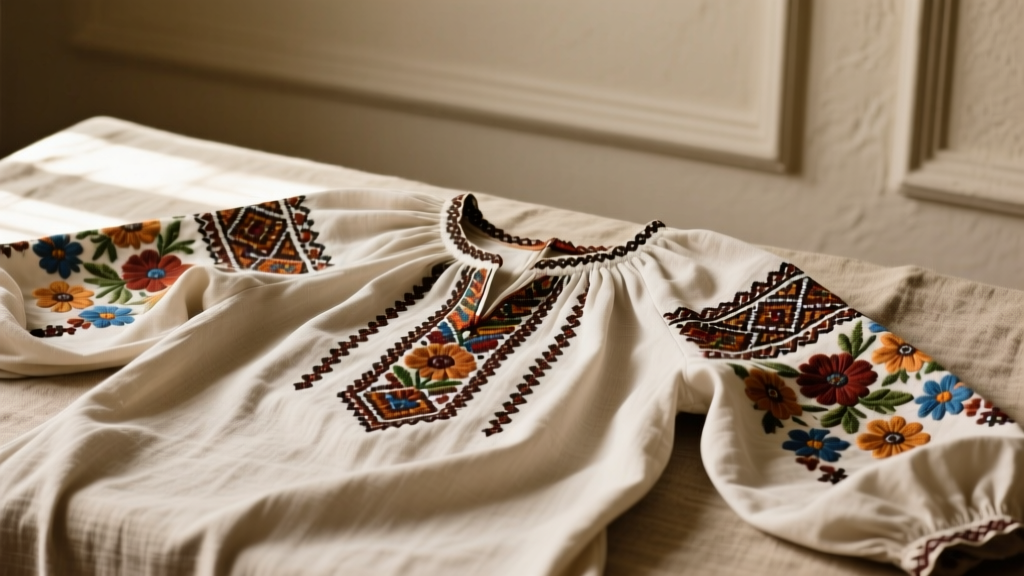
The embroidery (Stickerei) on the Latze and along the side seams is not merely decorative; it is a geographic identifier. The Tiroler Volkskunstmuseum highlights how floral and faunal motifs serve as a map of Alpine heritage.
| Regional Style | Embroidery Characteristics | Color Palette |
|---|---|---|
| Miesbacher Tracht | Intricate, dense floral patterns; often features the "Miesbacher Rose" and oak leaves. | Vibrant greens, pinks, and silks threads on dark brown leather. |
| Werdenfelser Tracht | More subdued, nature-inspired motifs; edelweiss, alpine gentian, and geometric borders. | Muted earth tones, forest greens, and subtle gold or yellow stitching. |
| Salzkammergut (Austrian) | Highly stylized, symmetrical floral arrangements with prominent use of the "Hirsch" (stag) motif. | Contrasting whites, deep reds, and vibrant blues. |
Sourcing and Price Guide: Investing in Authentic Tracht
Acquiring authentic Oktoberfest lederhosen for women requires navigating a market flooded with cheap, synthetic imitations. True Tracht is an investment in artisanal craftsmanship. Below is a realistic pricing framework for the current market:
- Entry-Level / Mass-Market (€250 – €400): Typically made from goat leather or split cowhide, often manufactured outside of Germany/Austria. Embroidery is usually machine-done with synthetic threads. Acceptable for casual attendees, but lacks the cultural pedigree of true Tracht.
- Mid-Tier / Regional Brands (€450 – €850): Brands like Meindl, Krüger, or Daller Tracht offer high-quality Hirschleder or premium goat leather. Tailoring is specifically designed for women, and embroidery is often hand-finished. This is the sweet spot for serious Oktoberfest attendees.
- Bespoke / Artisan Säckler (€1,000 – €2,500+): Commissioned directly from a master leatherworker in Bavaria or Tyrol. Involves personal measurements, selection of specific hides, and entirely hand-stitched embroidery. These garments are museum-quality and built to last a lifetime.
Wearing Etiquette: Completing the Ensemble
Wearing a Damenlederhose requires adherence to specific styling protocols to maintain cultural respect and avoid the "costume" aesthetic.
Shirts and Blouses
The traditional pairing is a Trachtenbluse (Tracht blouse) or a checked Trachtenhemd (flannel shirt). For women, a white, high-necked cotton or linen blouse with subtle lace detailing or a modest V-neck is standard. Avoid low-cut "barmaid" style tops, which are tourist tropes and frowned upon by Tracht purists.
Footwear and Hosiery
Footwear must be grounded in tradition. Haferlschuhe (traditional Alpine lace-up shoes) or sturdy, low-heeled leather loafers are ideal. Sneakers or high heels break the visual harmony of the outfit. Hosiery should consist of Trachtenstutzen (thick, ribbed wool or cotton calf socks) that sit just below the knee, often featuring a subtle cable-knit pattern or a small embroidered motif at the cuff.
Accessories: The Charivari and Hat
The Charivari—a silver or alpaca chain adorned with hunting trophies, animal teeth, or silver coins—was historically a male status symbol indicating hunting prowess. Today, women frequently wear adapted, slightly more delicate Charivari chains across the front flap of their lederhosen. Headwear is also essential; a traditional felt Trachtenhut adorned with a Gamsbart (chamois beard) or a silk cord completes the silhouette, signaling a deep understanding of Alpine sartorial codes.
Cultural Respect: Beyond the Tourist Trap
The decision to wear Oktoberfest lederhosen for women is a powerful statement of cultural participation. It rejects the commodification of Bavarian women as mere visual props in beer tents and embraces the rugged, egalitarian spirit of the Alpine landscape. By investing in authentic materials, respecting regional embroidery, and adhering to traditional styling protocols, women who wear the Damenlederhose are not merely dressing up for a festival; they are actively participating in the preservation and evolution of a living European heritage.