Women German Outfit: Etiquette & Occasions

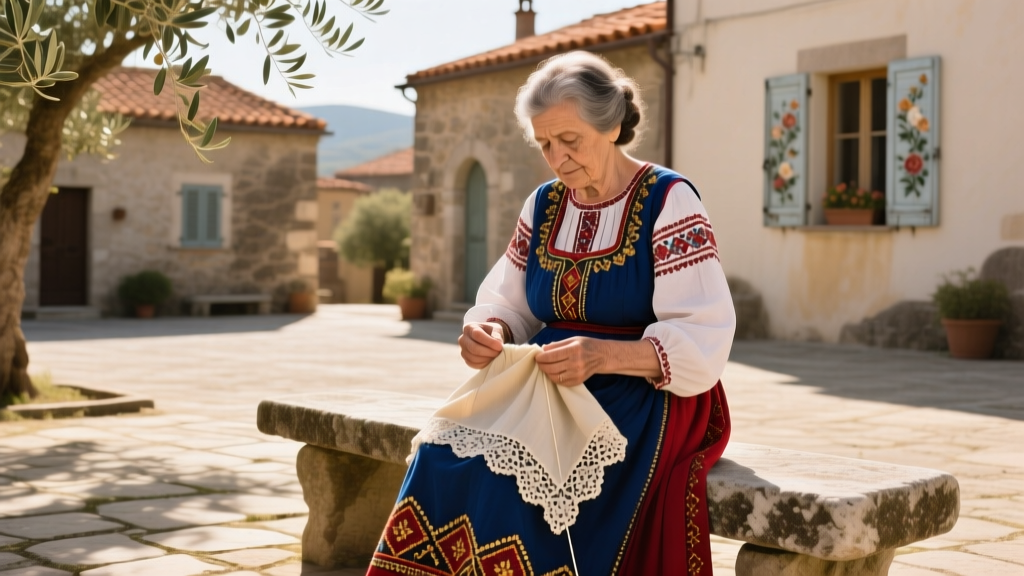
When exploring European folk dress, few garments carry as much cultural weight, regional pride, and international recognition as the women's German outfit. However, reducing this rich sartorial tradition to a generic Oktoberfest costume does a disservice to centuries of textile heritage. In Germany and Austria, there is a vital distinction between Tracht (historically rooted, region-specific traditional dress) and the Dirndl (a modernized, fashion-driven evolution of rural alpine workwear). Understanding the etiquette, construction, and appropriate occasions for wearing these garments is essential for anyone looking to honor the living traditions of Central Europe.
Decoding the Apron Bow: The Silent Language of the Dirndl
The most famous piece of etiquette associated with the women's German outfit is the positioning of the apron bow (Schleife). Tied at the front of the waist, the bow acts as a silent communicator of the wearer's relationship status. While modern festival-goers sometimes treat this as a party game, in traditional Trachtenvereine (folk clubs), these rules are observed with strict respect.
- Left Side (Single): The bow is tied on the wearer's left hip. This indicates she is unmarried and potentially open to courtship.
- Right Side (Taken/Married): Tied on the right hip, signaling that she is married, engaged, or in a committed relationship.
- Center (Virginity/Youth): Historically, a center knot indicated virginity. Today, it is mostly worn by young girls before their confirmation, or occasionally by service staff to avoid signaling personal information.
- Back (Widowed/Working): Tied at the back of the waist. This traditionally signifies that the wearer is a widow. It is also the standard placement for waitresses and staff working at beer tents, allowing them to move freely without the bow interfering.
Anatomy of a Proper Women's German Outfit
A genuine Dirndl or Tracht is a masterclass in modular tailoring. Unlike fast-fashion costumes sold in plastic bags, a proper outfit consists of four distinct, high-quality components.
1. The Mieder (Bodice)
The Mieder is the structured bodice that provides the outfit's silhouette. In authentic alpine Tracht, the Mieder is crafted from heavy wool, velvet, or silk brocade, often reinforced with internal boning. It may feature front-lacing (Schnürung) with silver hooks and a decorative chain, or concealed hook-and-eye closures. Mass-market Dirndls often use printed cotton and flimsy zippers, which are considered a faux pas in formal settings.
2. The Rock (Skirt)
The skirt must be heavily pleated—either in box pleats (Kellerfalten) or cartridge pleats—to create volume. Crucially, the hemline etiquette dictates that the Rock must fall at least to the knee. In conservative regions like Upper Bavaria, a skirt that ends mid-thigh is deemed inappropriate for traditional events and is relegated to tourist-trap party wear.
3. The Bluse (Blouse)
Worn beneath the Mieder, the blouse is typically made of crisp white cotton, linen, or fine batiste. Necklines vary from modest high collars to square or heart-shaped cuts. The sleeves are often puffed, but the fabric should never be sheer or overly revealing in traditional contexts.
4. The Schürze (Apron)
Originally designed to protect the skirt during farm and kitchen work, the apron is now the centerpiece of the outfit's color palette. For formal occasions, silk, satin, or finely embroidered linen aprons are required. The apron should be slightly shorter than the skirt hem, revealing about two fingers' width of the Rock beneath it.
Regional Variations: Beyond the Alpine Stereotype
The Dirndl is primarily an Alpine and Bavarian phenomenon. However, Germany's broader Tracht landscape is incredibly diverse. The Deutscher Trachtenverband (German Traditional Costume Association) catalogs hundreds of distinct regional variations, each with its own strict wearing protocols.
| Region | Garment Name | Key Characteristics | Etiquette & Protocol |
|---|---|---|---|
| Upper Bavaria | Miesbacher Tracht | Dark wool skirt, silk apron, silver coin jewelry (Charivari), velvet Mieder. | Worn for church and formal folk festivals. Requires specific regional hairpieces like the Gretlfrisur (braided crown). |
| Black Forest | Gutacher Tracht | Black skirt, white blouse, and the iconic Bollenhut (hat with 14 red wool pompoms). | The red Bollenhut is strictly reserved for unmarried women from three specific villages (Gutach, Kirnbach, Hornberg). Married women wear a black variant. |
| Lusatia (Sorbian) | Sorbische Tracht | Elaborate floral embroidery, pastel colors, intricate lace caps, and heavy beading. | Highly specific to the Spreewald region. Dressing in this requires guidance from local Sorbian cultural cooperatives to avoid cultural appropriation. |
| Friesland | Friesische Tracht | Heavy silver filigree jewelry (Kosen), dark fabrics, velvet bodices. | Often worn for Frisian cultural dances. The sheer weight and volume of the silver denote family wealth and regional standing. |
Occasion-Based Styling: From Kirchweih to Hochzeit
Knowing when to wear a women's German outfit is just as important as knowing how to wear it. The formality of the event dictates the fabric, color, and accessories.
Festive & Religious Events (Kirchweih, Schützenfest)
For church festivals and marksmen's fairs, modesty and tradition reign supreme. Opt for high-necked blouses, darker or muted skirt colors (forest green, navy, deep burgundy), and minimal cleavage. Hair should be worn up or braided, often adorned with a subtle floral wreath or regional hat. According to the Trachtenkulturzentrum des Bezirks Oberbayern, maintaining historical accuracy at these events is a sign of respect for the local community.
Weddings (Hochzeit)
At traditional Bavarian or Austrian weddings, Tracht is often the mandated dress code. Guests should wear elegant Dirndls in silk or brocade, avoiding white or cream (reserved for the bride). The bride herself may wear a highly specialized Bräuteldirndl or a historic regional Tracht, often incorporating myrtle crowns and heirloom silver jewelry.
Casual Volksfeste (Folk Festivals)
For casual summer festivals, lighter fabrics like cotton and linen are appropriate. Brighter colors, floral prints, and slightly more relaxed silhouettes are acceptable, though the knee-length skirt rule still applies to those wishing to dress respectfully.
Footwear, Hosiery, and Accessories
An authentic outfit is anchored by proper footwear. Sneakers or modern stilettos instantly break the illusion and are frowned upon in traditional circles. The correct choice is a Trachtenschuh—a low-heeled, sturdy leather shoe, often with a decorative buckle or a felted wool upper. Loafers or elegant leather ballet flats are acceptable modern substitutes. Hosiery should consist of knee-high socks, ribbed tights, or traditional wool stockings; bare legs are generally avoided in conservative Tracht etiquette.
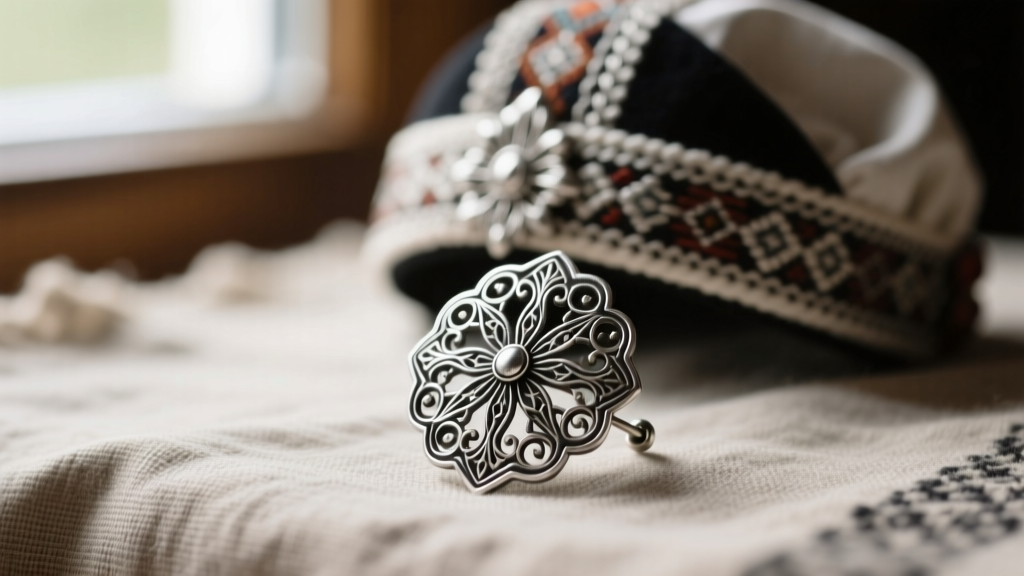
Accessories should be purposeful. A small velvet or leather pouch (Dirndltasche) is worn on the hip, as Dirndls lack functional pockets. For jewelry, a Charivari (a decorative chain featuring silver coins, antlers, or animal teeth) or a delicate velvet choker with a cameo pendant adds historical authenticity.
Common Faux Pas to Avoid
"Never refer to an authentic Tracht or a high-quality Dirndl as a 'Kostüm' (costume). In German cultural contexts, a Kostüm implies a disguise, a theatrical outfit, or cheap carnival wear. Tracht represents lived heritage, regional identity, and generational craftsmanship."
To wear a women's German outfit with true cultural respect, avoid the following missteps:
- Buying "Party" Dirndls: Outfits made of cheap polyester, featuring zippers, plastic hooks, and thigh-high hemlines are viewed as disrespectful to the craft. Invest in mid-tier artisan brands (ranging from 250 to 600 EUR) or vintage pieces.
- Mixing Regions: Do not pair a Black Forest Bollenhut with a Bavarian Miesbacher bodice. Regional elements should not be mixed like a costume grab-bag.
- Ignoring the Climate: Traditional wool Tracht is heavy and warm. Wearing a full winter Tracht to a sweltering August beer garden is not only uncomfortable but historically inaccurate, as rural women wore lighter linen work-Dirndls in the summer.
Preserving a Living Tradition
The women's German outfit is not a relic of the past; it is a dynamic, living tradition. Institutions like the Bayerisches Nationalmuseum continuously archive and study these garments, highlighting how 19th-century romanticism and 20th-century folk revivals shaped what we see today. Whether you are attending a formal Schützenfest, participating in a cultural exchange, or simply investing in a high-quality Dirndl for a wedding, approaching the garment with an understanding of its anatomy, regional rules, and silent etiquette ensures you honor the remarkable artisans and communities who keep this heritage alive.