Women's German Costume & Dirndl Festival Guide 2026
Beyond the "Costume": Understanding German Tracht
When international visitors begin searching for a women's German costume ahead of the 2026 festival season, they are usually looking for the iconic Dirndl. However, to approach Bavarian and Alpine folk dress with the respect it deserves, we must first address a vital cultural distinction. In Germany, the word Kostüm (costume) implies fancy dress, theatrical wear, or Halloween attire. The traditional garments worn to festivals like Oktoberfest, Cannstatter Volksfest, and local Schützenfeste (marksmen's fairs) are known as Tracht or Trachtenmode.
Wearing a Dirndl is not about "dressing up" in a costume; it is about participating in a living cultural heritage. The modern Dirndl evolved from the practical workwear of Alpine peasant women in the 18th and 19th centuries. It was later romanticized by the Austrian and Bavarian aristocracy in the late 1800s, transforming it into a symbol of regional pride. Today, wearing high-quality Tracht to a German festival is a sign of cultural appreciation and respect.
Anatomy of the Dirndl: What You Are Actually Wearing
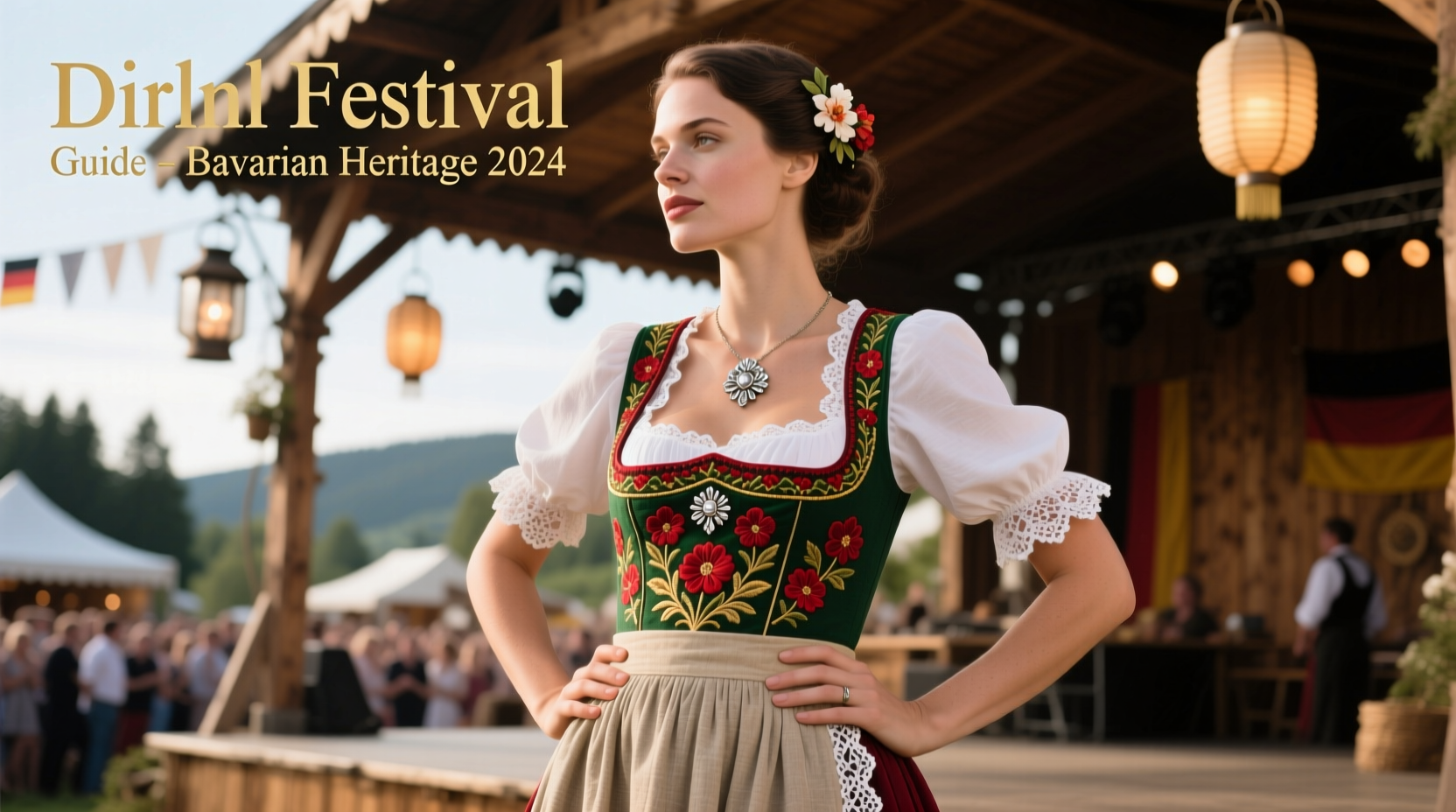
A genuine women's German costume of the Dirndl variety is a complex, multi-piece ensemble. It is never a single, zip-up dress. To wear it correctly, you must understand its four foundational components:
- Die Bluse (The Blouse): Worn underneath the bodice, the blouse is typically white, made of cotton, linen, or fine batiste. It features short puffed sleeves or three-quarter-length sleeves. The neckline can be round, square, or heart-shaped, but it should always complement the bodice without overwhelming it. Crucially, the blouse is cropped to end just below the bust, tucking neatly into the skirt to avoid bulk.
- Das Mieder (The Bodice): This is the structured, form-fitting corset-like top. High-quality Mieder are constructed from sturdy linen, wool blends, or brocade, often reinforced with internal boning or heavy seaming for support. They fasten via a front zipper (hidden by a decorative flap), hook-and-eye closures, or traditional lacing (Schnürung) using silk ribbons or leather cords. Adornments often include horn, silver, or coconut buttons, and intricate embroidery specific to the Alpine region.
- Der Rock (The Skirt): The skirt is attached to the bodice and is characterized by its volume. Historically, the amount of fabric used in the skirt indicated the wearer's wealth. Authentic Dirndl skirts are either gathered (gereiht) or deep-pleated (gefaltet), falling to the knee or mid-calf. The traditional length is measured by the rule of thumb: the hem should sit exactly at the point where a traditional beer mug (Maßkrug) can be placed on the ground and clear the skirt's edge.
- Die Schürze (The Apron): No Dirndl is complete without the apron, which is tied at the front. While historically made of simple cotton to protect the skirt, modern festival aprons are crafted from silk, satin, fine linen, or delicate lace. The apron should be slightly shorter than the skirt, revealing about two to three centimeters of the skirt's hem at the bottom.
The Apron Bow (Schleife) Protocol
The way you tie your apron bow is not merely a stylistic choice; it is a widely recognized social signal in Bavarian and Austrian festival culture. Tying the Schleife incorrectly can lead to awkward misunderstandings in the beer tents.
- Bow on the Left: You are single and potentially open to meeting someone. (Remember: the left side is from the wearer's perspective).
- Bow on the Right: You are married, engaged, or in a committed relationship. Do not tie it on the right if you are single, or you will deter friendly conversation.
- Bow in the Center: Historically, this indicated virginity. Today, it is mostly worn by young girls or women who simply do not know the tradition or wish to keep their relationship status private.
- Bow on the Back: You are widowed, or you are working as a waitress/staff member at the festival.
Regional Variations for Authentic Festival Wear
While the commercial Dirndl is ubiquitous, true Tracht enthusiasts often opt for regional variations that reflect specific local histories. The Trachteninformationszentrum (TIZ) in Benediktbeuern actively documents and preserves these distinct styles, emphasizing that Tracht is highly localized.
| Regional Style | Key Characteristics | Best Festival Context |
|---|---|---|
| Miesbacher Tracht | Dark, heavy skirts, silk aprons in muted tones, silver coin jewelry (Münzketten), and velvet bodices. | Traditional Schützenfeste, historical parades, and formal Alpine weddings. |
| Werdenfelser Tracht | Lighter linen fabrics, vibrant floral embroidery, intricate lace blouses, and pastel silk aprons. | Spring festivals (Frühlingsfest), outdoor fairs, and daytime Oktoberfest visits. |
| Schwarzwälder Bollenhut | Black pleated skirts, white puffed sleeves, and the iconic wide-brimmed hat with red or black wool pom-poms. | Black Forest heritage events. (Note: The Bollenhut is strictly reserved for unmarried women in three specific villages). |
| Münchner Wiesn-Tracht | Modern, high-fashion Dirndls featuring contemporary color palettes, sustainable fabrics, and designer tailoring. | Oktoberfest VIP tents, high-end evening events, and fashion-forward festival days. |
2026 Festival Calendar: Where to Wear Your Dirndl
If you are investing in a high-quality women's German costume, you will want to know the premier events of the 2026 season where Tracht is not just accepted, but expected.
- Frühlingsfest Munich (April/May 2026): Often called the "Little Oktoberfest," this spring festival is perfect for lighter, floral Dirndls and pastel aprons. The atmosphere is slightly more relaxed and family-oriented.
- Cannstatter Volksfest, Stuttgart (Sept/Oct 2026): The second-largest beer festival in Germany. While Dirndls are popular here, you will also see a high volume of Swabian regional Tracht and elegant two-piece ensembles.
- Oktoberfest, Munich (Sept/Oct 2026): The global epicenter of Dirndl fashion. The official Oktoberfest archives note that traditional dress has seen a massive resurgence since the early 2000s. For the opening weekend and the traditional Trachten- und Schützenzug (Costume and Riflemen's Parade), only authentic, high-quality Tracht is appropriate.
- Almabtrieb (Alpine Cattle Drive) (Late Sept 2026):Held in various Alpine villages across Bavaria and Austria, this harvest festival celebrates the return of cattle from mountain pastures. Heavy wool, loden fabrics, and deeply traditional Miesbacher styles are the standard here.
Buying Guide: Navigating Price Tiers and Fabrics
The market for Dirndls is vast, ranging from disposable party wear to bespoke artisanal masterpieces. To ensure you are purchasing a garment that respects the culture and will last for years, use this pricing and material framework.
Tier 1: Fast Fashion & Party Wear (€50 - €120 / $55 - $130)
These are sold as "costumes" in tourist shops and online marketplaces. They are typically made of 100% polyester, feature glued-on lace, hidden back zippers that alter the traditional silhouette, and flimsy aprons. Verdict: Avoid these for serious cultural festivals. They lack breathability, restrict movement improperly, and are often viewed as disrespectful in traditional beer tents.
Tier 2: Commercial Mid-Range (€150 - €350 / $165 - $385)
Brands like Angermaier, Krüger, and Stockerpoint offer excellent entry-level authentic Tracht. Expect bodices made of cotton-linen blends, skirts with proper gathering, and genuine front closures. The aprons are usually cotton or a cotton-silk blend. Verdict: Ideal for first-time festival attendees who want a respectful, comfortable, and culturally accurate outfit without a massive investment.
Tier 3: Artisan & High-End Couture (€450 - €1,500+ / $500 - $1,650+)
Heritage houses like Lodenfrey, Dirndl-Weber, and bespoke tailors create garments using pure silk, fine merino wool, and hand-embroidered linen. Skirts are hand-pleated (handgefaltet), a process that takes hours and allows the skirt to swing beautifully while dancing. Bodices feature internal corsetry and horn or silver buttons. Verdict: An investment piece for Tracht enthusiasts, frequent festival-goers, and those attending formal Alpine events.
Authentic Sources and Artisans
When researching the historical accuracy of your purchase, the Bayerisches Nationalmuseum (Bavarian National Museum) in Munich offers extensive textile archives that showcase the evolution of the Dirndl from the 18th century to the modern era. Consulting their exhibits or publications can help you identify genuine embroidery patterns versus modern commercial inventions.
Event Etiquette: Dos and Don'ts in the Festzelt
Wearing the garment correctly is only half the battle; accessorizing and behaving appropriately in the festival tent (Festzelt) completes the experience.
Footwear: Grounding Your Outfit
Never wear sneakers, stilettos, or open-toed sandals with a Dirndl. The traditional footwear is the Trachtenpumps (a low-heeled, closed-toe pump often made of suede or leather with a small decorative buckle) or Haferlschuhe (traditional Alpine lace-up shoes). In cooler weather or for outdoor parades, knee-high leather boots or thick wool socks with sturdy leather shoes are entirely appropriate and historically accurate.
Outerwear: Battling the Bavarian Chill
Evening temperatures in Munich can drop significantly by late September. Leave the modern denim jacket or puffer vest at the hotel. Instead, opt for a Strickjacke (a traditional wool or cashmere cardigan, often featuring horn buttons and cable-knit patterns) or a Janker (a short, tailored jacket made of boiled wool or loden). These pieces are designed specifically to complement the silhouette of the Dirndl without crushing the bodice or skirt.
Hair and Jewelry
Traditional Alpine jewelry (Trachtenschmuck) includes silver or gold chokers with pendants (often featuring edelweiss, deer, or oak leaves), coral necklaces, and intricate hair accessories. Hair is typically worn in an elegant updo, braids, or a neat half-up style to ensure it does not catch on the bodice lacing or the straps of a wool jacket. Avoid overly modern, flashy costume jewelry; opt for subtle, nature-inspired metals and stones.
Final Thoughts for the 2026 Season
Approaching the search for a women's German costume with an eye for authenticity transforms a simple festival outfit into a profound connection with European folk history. By investing in proper fabrics, understanding the silent language of the apron bow, and respecting the regional nuances of Tracht, you ensure that your participation in the 2026 festival season is both joyous and culturally resonant. Prost!