European Traditional Costumes: Etiquette & Occasions
The Fine Line: Cultural Appreciation in European Folk Dress
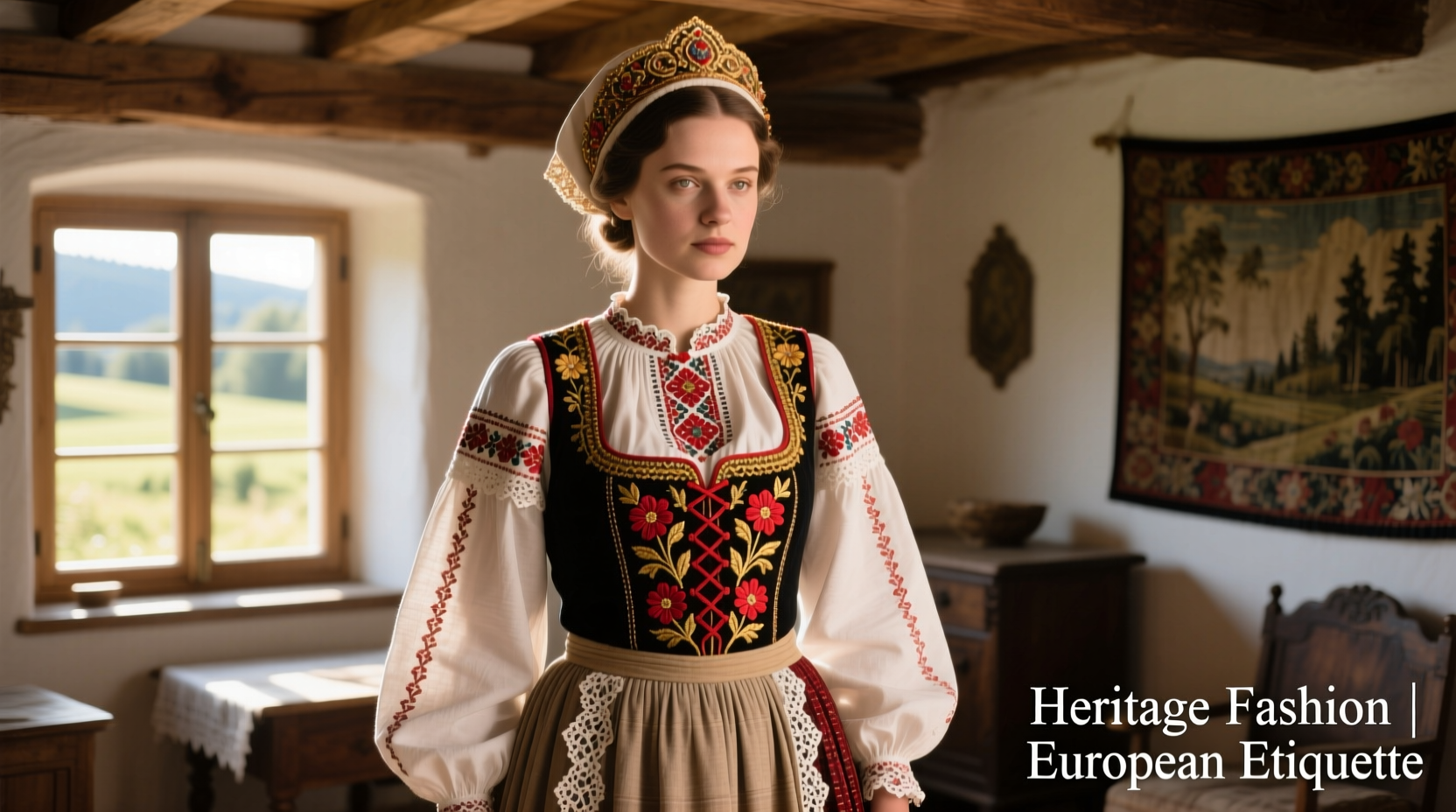
When exploring the traditional costumes of Europe, international enthusiasts often wonder where the line between cultural appreciation and appropriation lies. Unlike some indigenous garments that are strictly closed to outsiders, most European folk dress traditions are living, breathing cultural exports that welcome respectful participation. However, 'respectful' is the operative word. Donning a mass-produced, hyper-sexualized party costume for a themed night is vastly different from investing in authentic, historically accurate garments and wearing them according to regional protocols.
European folk dress is deeply tied to genealogy, regional pride, and social milestones. Whether you are attending a wedding in the Bavarian Alps, celebrating Constitution Day in Oslo, or attending a ceilidh in the Scottish Highlands, understanding the etiquette of these garments ensures you honor the artisans and communities that keep these traditions alive today.
Occasion Matrix: Matching Garments to Events
Not all traditional garments are created equal, nor are they appropriate for every event. Below is a structural guide to matching specific regional dress codes with their proper occasions.
| Garment Type | Appropriate Occasions | Inappropriate Occasions | Key Accessory Rule |
|---|---|---|---|
| German/Austrian Tracht | Oktoberfest, Volksfeste, Alpine weddings, rural church holidays. | Black-tie galas, somber funerals, casual office environments. | Footwear must be traditional Haferlschuhe or Tracht loafers; never athletic sneakers. |
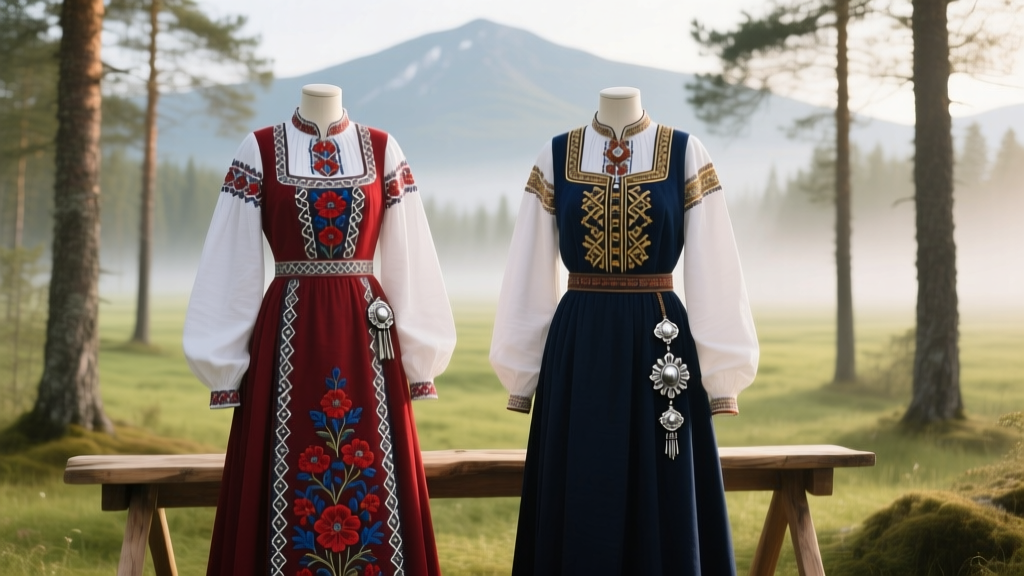
| Norwegian Bunad | May 17th (Constitution Day), weddings, confirmations, royal events. | Halloween parties, casual dinners, theatrical performances. | Oxidized silver jewelry (solje) must match the specific regional bunad variant. |
| Scottish Highland Dress | Ceilidhs, Highland Games, formal weddings, Burns Night suppers. | Non-tartan casual events, sporting events (unless specific club tartan). | Sporran choice dictates formality: Day (leather), Semi-Dress (fur/hair), Evening (metal cantle). |
| Swedish Folkdräkt | Midsommar, National Day (June 6), folk dance performances. | Nightclubs, informal tourist sightseeing. | Headwear (like the bindel) often indicates marital status and specific parish origin. |
Regional Protocols: Rules of Engagement
To wear the traditional costumes of Europe with genuine respect, one must understand the unwritten rules that govern their construction and styling. Here is a deep dive into three of the most prominent European folk dress traditions.
German and Austrian Tracht (Dirndl & Lederhosen)
The term Tracht refers to traditional garments rooted in the Alpine regions of Germany, Austria, and South Tyrol. The most globally recognized is the Dirndl, consisting of a bodice, blouse, full skirt, and apron. The most critical piece of etiquette for women wearing a Dirndl is the apron bow rule, which silently broadcasts relationship status:
- Bow on the Left: Single and open to meeting someone.
- Bow on the Right: Taken, married, or in a committed relationship.
- Bow in the Center: Traditionally signifies virginity (though less commonly enforced today).
- Bow on the Back: Widowed, or the wearer is a waitress/server working the event.
For men, authentic Lederhosen are crafted from Hirschleder (deer leather) or Gamsleder (chamois), which are durable, breathable, and develop a unique patina over time. Authentic pairs feature hand-stitched Stickerei (embroidery) that often denotes the wearer's home valley. A genuine artisan-crafted Lederhosen will cost between €400 and €1,200, whereas tourist-shop polyester blends cost under €50 and are immediately recognizable as disrespectful caricatures by locals.
Norwegian Bunad: A Genealogical Document
The Norwegian Bunad is arguably the most strictly regulated traditional costume in Europe. According to the Norsk institutt for bunad og folkedrakt (Norwegian Institute for Bunad and Folk Costume), a Bunad is not merely a dress; it is a wearable genealogical document. Etiquette dictates that you should only wear a Bunad from a region where you have ancestral roots, or from the municipality where you currently reside.
The construction of a Bunad requires hundreds of hours of hand-embroidery, and the accompanying silver jewelry (sølv) is heavily symbolic. For example, the solje (sun brooch) worn at the collar was historically believed to protect the wearer from dark spirits. Wearing a Bunad requires immaculate grooming: hair should be neatly styled (often in a bun or traditional braids), makeup should be natural and understated, and modern accessories like smartwatches or plastic handbags must be hidden or left behind. Expect to invest anywhere from €2,500 to over €5,000 for a complete, authentic Bunad ensemble.
Scottish Highland Dress: Tartans and Formality
Scottish Highland Dress is highly codified, with rules governed by centuries of military and clan history. The Scottish Tartans Authority maintains the official registry of tartans. While anyone can wear 'universal' tartans (like Black Watch or Royal Stewart), wearing a specific clan tartan implies a direct familial link or allegiance to that clan chief. If you lack Scottish heritage, it is perfectly acceptable and respectful to wear a universal, district, or fashion tartan.
Formality in Highland Dress is dictated by the jacket and sporran combination:
- White Tie (Full Evening): Prince Charlie coatee, lace jabot, and a full dress sporran with a metal cantle and animal hair.
- Black Tie (Semi-Formal): Argyll jacket with a silver-mounted sporran and a standard bow tie.
- Day Wear: Tweed jacket (often with horn buttons), leather day sporran, and a woolen tie.
Furthermore, the kilt must be tailored to the wearer's exact measurements, falling to the middle of the knee. The pleats at the back can be 'knife-pleated' (sett to the tartan pattern) or 'box-pleated', but the hem must never touch the ground when the wearer kneels.
Sourcing Authentic Pieces: Artisans vs. Fast Fashion
When acquiring the traditional costumes of Europe, avoiding 'fast fashion' and party-supply stores is paramount. Mass-produced costumes often utilize incorrect color palettes, synthetic fabrics that trap heat, and historically inaccurate silhouettes that border on parody.
For German Tracht, look for heritage brands in Munich or Salzburg that utilize natural fibers like linen, wool, and genuine horn buttons. The Bayerisches Nationalmuseum (Bavarian National Museum) frequently hosts exhibitions highlighting the evolution of Alpine textiles, serving as a benchmark for what authentic historical silhouettes should look like. For Scottish Highland wear, always purchase from a recognized kiltmaker who sources wool from Scottish mills like Lochcarron or Marton Mills. A true hand-stitched kilt requires eight yards of worsted wool and takes a master tailor several days to complete, justifying the £300 to £600 price point.
Common Etiquette Mistakes to Avoid at Cultural Festivals
Even with the best intentions, international visitors often commit faux pas when attending European cultural festivals. Keep these critical mistakes in mind:
- The 'Sexy' Dirndl Trap: At Oktoberfest, avoid Dirndls with hemlines that fall above the knee or necklines that plunge excessively. Traditional Dirndls fall below the knee, and the blouse should provide modest coverage. Wearing a Dirndl without a blouse is considered highly inappropriate in traditional Bavarian society.
- Mixing Tartans: Never wear a kilt in one clan's tartan while wearing a sash or tie in a rival clan's tartan. Stick to a single tartan pattern for the main garment.
- Wearing Folk Dress as a Costume: Never refer to a Bunad, Tracht, or Kilt as a 'costume' in the presence of locals. The word 'costume' implies theatricality or disguise. Use the terms 'folk dress', 'national dress', or the native terms (Tracht, Bunad, Highland Dress).
- Ignoring Footwear Rules: Pairing a €3,000 Norwegian Bunad with modern high heels or running shoes is a severe breach of etiquette. Invest in the traditional black leather buckle shoes designed specifically for the garment.
By approaching the traditional costumes of Europe with a mindset of historical curiosity and sartorial respect, you transition from a mere tourist to a respectful participant in some of the world's most enduring cultural legacies.