German Tracht Wearing Etiquette Guide
Beyond the Beer Tent: Understanding Tracht vs. Trachtenmode
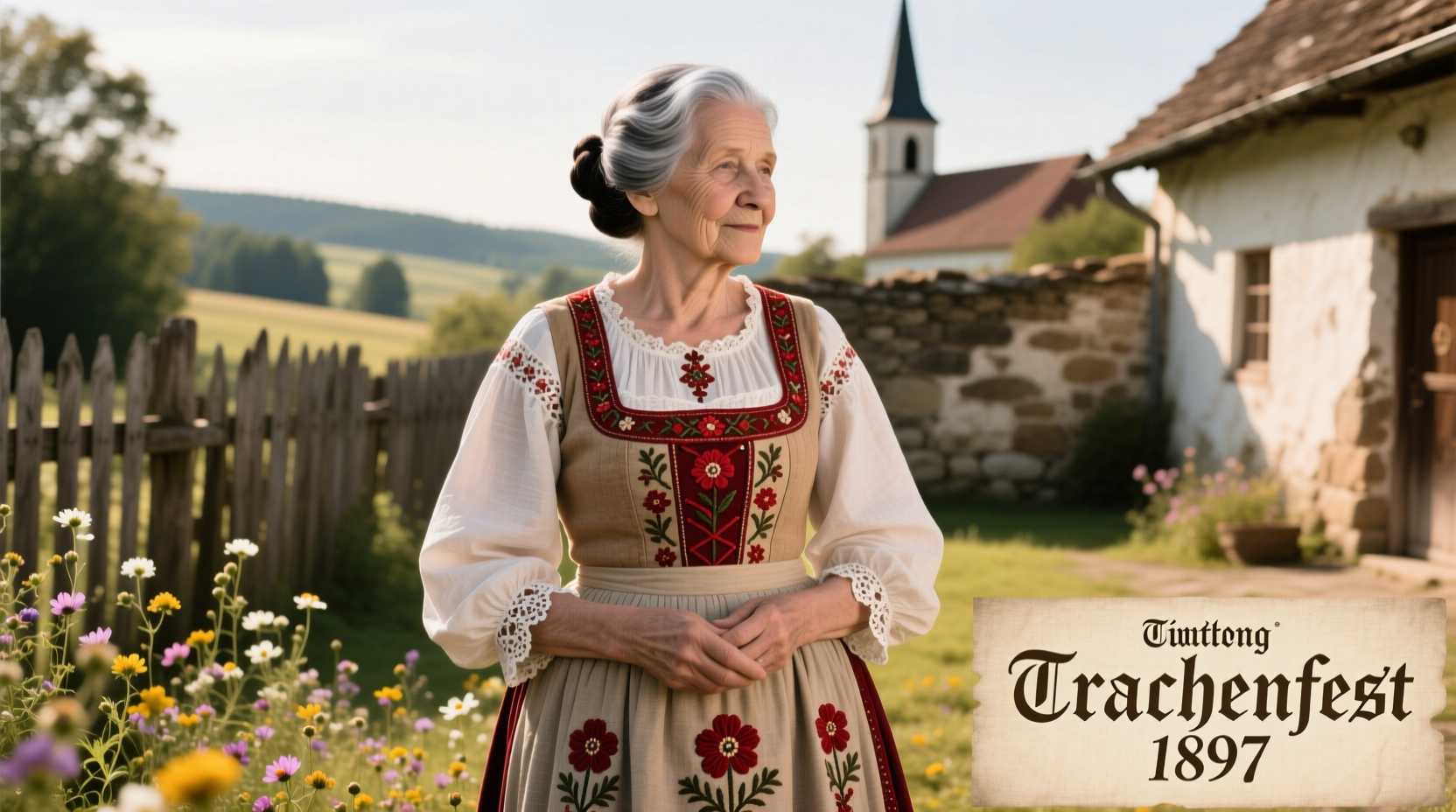
When discussing traditional German clothes, the most critical distinction to understand is the difference between Tracht and Trachtenmode. In Bavaria, Austria, and other Alpine regions, clothing is not merely a costume; it is a living cultural identifier. Tracht refers to authentic, region-specific garments that follow strict historical tailoring rules, often handmade by local artisans. Trachtenmode, conversely, is the commercialized, mass-produced fashion inspired by these garments, commonly sold to tourists and worn at massive commercial festivals like Oktoberfest.
Understanding this distinction is the foundation of wearing etiquette. While Trachtenmode is perfectly acceptable for a casual tourist visiting a Munich beer tent, wearing it to a rural Schützenfest (marksmen's festival) or a traditional village wedding can be viewed as culturally tone-deaf. According to the cultural preservationists at the Deutsches Trachtenmuseum in Bad Staffelstein, authentic Tracht serves as a historical document, reflecting the wearer's specific village, marital status, and social standing.
The Dirndl: Anatomy, Etiquette, and the Bow Code
The Dirndl is a complex ensemble consisting of four main components: the Mieder (bodice), the Rock (skirt), the Schürze (apron), and the Dirndlbluse (blouse). Etiquette dictates that the dress must fit impeccably; a bodice that gaps or a skirt that falls above the knee is considered inappropriate for formal or traditional settings.
Decoding the Dirndl Bow (Schleife)
The most famous piece of Dirndl etiquette is the placement of the apron bow, which historically signaled a woman's romantic availability. While modern youth sometimes treat this as a playful myth, in traditional circles, the code is strictly observed:
- Bow on the Left: The wearer is single and potentially available.
- Bow on the Right: The wearer is married, engaged, or in a committed relationship.
- Bow in the Center (Front): Historically indicated virginity; today, it often simply means the wearer is undecided or prefers not to disclose her status.
- Bow in the Center (Back): The wearer is widowed, or, in the context of a festival, working as a waitress.
Footwear and Accessories
Never pair a Dirndl with sneakers or open-toed sandals. Proper etiquette requires closed-toe shoes. The most traditional choices are Trachtenschnürstiefel (lace-up boots) or Spangenschuhe (Mary Jane-style pumps) with a moderate heel. For accessories, a delicate silver or horn necklace (Kropfkette) is preferred over modern costume jewelry. In colder weather, a woven wool shawl or a tailored Trachtenjanker (wool jacket) is worn; denim jackets or modern puffer coats immediately break the traditional aesthetic.
Lederhosen: Regional Variations and Proper Styling
Authentic Lederhosen (leather breeches) are a masterpiece of Alpine craftsmanship. They are not simply "leather shorts." True traditional German clothes of this type are crafted using a specific tanning method called Sämischgerbung (oil or brain tanning), which makes the leather incredibly soft, durable, and washable. The Bayerisches Nationalmuseum houses extensive collections of 18th and 19th-century Lederhosen, highlighting the intricate, region-specific embroidery (Stickerei) that denotes the wearer's home valley.
Bundhosen vs. Kurze Lederhosen
Etiquette depends heavily on the season and the occasion. Kurze Lederhosen (short breeches ending above the knee) are reserved for warm weather and casual outdoor festivals. They must be paired with rustic, calf-high wool socks (Wadenstulpen) and traditional Haferlschuhe (Alpine lace-up shoes with side lacing). Bundhosen (long breeches ending below the knee or at the calf) are worn in colder months and are considered more formal, appropriate for church services, winter weddings, and formal Heimat (homeland) evenings.
The Complete Tracht Ensemble for Men
Wearing Lederhosen requires a full commitment to the ensemble. A standard t-shirt or modern dress shirt is a major faux pas. Men should wear a Trachtenhemd (a checked or plain linen shirt, often with horn buttons) or a Pfoad (a traditional embroidered linen smock). To elevate the outfit, men wear a Charivari—a decorative silver chain adorned with animal teeth, coins, and hunting trophies, draped across the waistband. A tailored wool Trachtenweste (vest) or Janker completes the look.
Occasion Guide: When and Where to Wear Traditional German Clothes
Knowing which garment to wear to which event is the hallmark of a respectful guest. The following table outlines the accepted etiquette for various occasions across Southern Germany and Austria.
| Occasion | Expected Dress Code | Etiquette Notes & Faux Pas to Avoid |
|---|---|---|
| Oktoberfest / Large Volksfeste | Trachtenmode or Authentic Tracht | Commercial fashion is widely accepted. However, avoid "sexy" mini-dirndls or plastic novelty Lederhosen if you wish to be treated with respect by locals. |
| Maibaumaufstellen (Maypole) | Strictly Authentic Regional Tracht | This is a deeply local village tradition. Visitors should wear modest, authentic pieces or smart casual. Tourist-shop costumes are highly frowned upon. |
| Alpine Weddings (Trachtenhochzeit) | Festtagstracht (Festive Tracht) | Opt for floor-length or midi Dirndls in rich fabrics (silk, velvet, dark brocade). Men should wear Bundhosen with formal vests. Avoid white or cream (reserved for the bride). |
| Church / Religious Processions | Modest, Traditional Tracht | Shoulders must be covered (no off-the-shoulder blouses). Skirts must fall below the knee. Men must remove hats (such as the Gamsbart Tirolerhut) upon entering the church. |
| Schützenfest (Marksmen's Festival) | Vereinstracht (Club/Association Uniform) | Usually restricted to members of the local shooting clubs. Guests should wear respectful, muted Trachtenmode or smart alpine casual wear. |
Sourcing Authentic Pieces: What to Expect and Pay
If you intend to participate in Alpine culture regularly, investing in authentic garments is highly recommended by regional experts like the Bezirk Oberbayern's Tracht advisory portal. Mass-produced garments not only lack cultural accuracy but also degrade quickly. Here is a realistic price guide for authentic traditional German clothes:
- Mass-Market / Wiesn-Tracht (Department Stores): €80 – €150. Made from polyester blends and synthetic leather. Acceptable for a one-off tourist visit, but lacks breathability and historical accuracy.
- Mid-Tier Manufaktur (Specialty Tracht Boutiques): €250 – €600. Features real cotton/linen Dirndls and genuine pigskin or cowhide Lederhosen. Good embroidery, horn buttons, and proper tailoring.
- Bespoke / Master Tailor (Schneidermeister): €800 – €2,500+. Hand-embroidered Dirndls using silk brocade, and Hirschleder (deer leather) Lederhosen tanned via Sämischgerbung. These are heirloom pieces meant to last a lifetime and are often passed down through generations.
Cultural Respect: Avoiding Tourist Traps and Faux Pas
Wearing traditional German clothes is an exercise in cultural appreciation, not appropriation, provided it is done with respect and understanding. The primary faux pas committed by international visitors is treating the garments as "costumes" or "fancy dress." In Bavaria, Swabia, and the Black Forest, these garments are a proud expression of regional identity (Heimatgefühl).
To show respect, avoid buying garments with offensive slogans, beer jokes, or exaggerated, sexualized cuts. Ensure your clothing is clean, well-fitted, and appropriate for the weather and setting. When in doubt, opt for modesty and understated elegance over flashy, stereotypical designs. By taking the time to understand the history, the tailoring, and the etiquette of the Tracht, you transition from a tourist wearing a costume to a respectful guest honoring a centuries-old European textile tradition.