Traditional Bavarian Clothes: The 2026 Festival Guide
The Living Tradition of Bavarian Tracht at Festivals
When planning your itinerary for Munich’s Oktoberfest, alpine Schützenfeste, or village Maibaumaufstellen (Maypole festivals) in 2026, understanding the nuances of traditional Bavarian clothes is essential. In Bavaria, traditional dress is not a 'costume' (Kostüm)—a term that implies theatricality or disguise. Instead, it is known as Tracht, a living, breathing sartorial tradition rooted in regional identity, craftsmanship, and social history. According to the Bayerisches Nationalmuseum, the evolution of Tracht transitioned from rural workwear in the 18th century to a symbol of regional pride during the Romantic era, heavily influenced by the Bavarian royal family's promotion of alpine culture.
Wearing authentic Tracht at a festival is a sign of deep cultural respect. However, navigating the market can be daunting, as mass-produced tourist imitations often overshadow genuine artisanal garments. This comprehensive 2026 festival guide will decode the anatomy of the Dirndl and Lederhosen, outline strict cultural etiquette, and provide a curated calendar of events where your traditional Bavarian clothes will truly shine.
Dirndl Anatomy & Etiquette: Decoding the Apron Knot
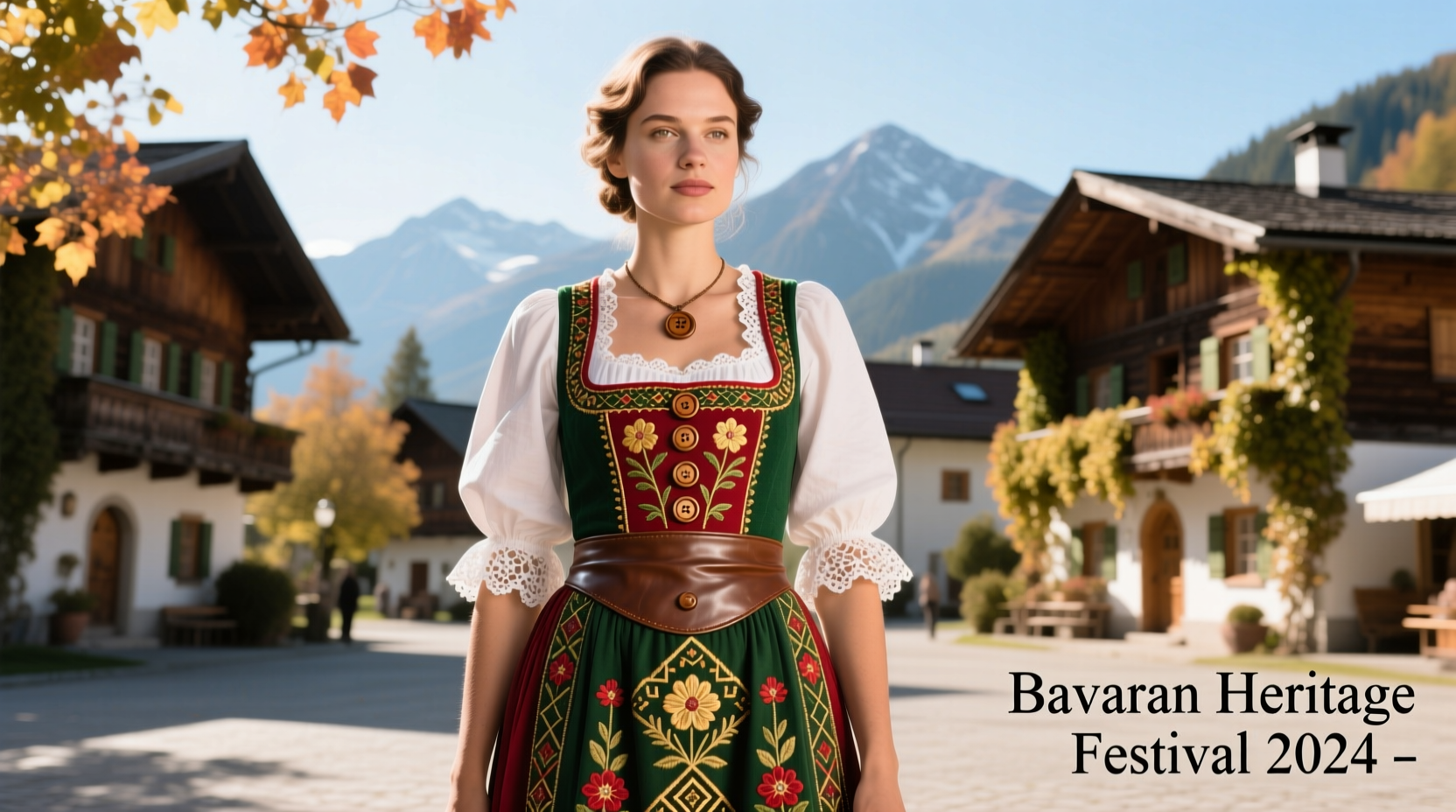
The women’s Dirndl is a highly structured garment consisting of four distinct components: the Mieder (bodice), Rock (skirt), Schürze (apron), and Bluse (blouse). While modern fashion brands often merge the bodice and skirt into a single dress, traditional Tracht maintains them as separate pieces, allowing for modular mixing and intricate tailoring.
Construction and Materials
A genuine festival Dirndl features a heavily structured Mieder, often reinforced with internal boning and fastened with silver or horn hooks, eyelets, or a concealed zipper. The fabric of the skirt and bodice typically ranges from heavy linen (Leinen) for daytime village festivals to raw silk (Seide) and brocade for evening events and weddings. The blouse is traditionally white, made of fine cotton or linen, with sleeves that can range from modest puffed styles to delicate lace cap sleeves.
The Schürze (Apron) and the Knot Code
The most critical element of Dirndl etiquette lies in the Schürze. The apron must be tied at the front, and the placement of the bow communicates the wearer’s relationship status—a silent language still strictly observed at traditional events.
- Left Side: The wearer is single and potentially open to romantic advances.
- Right Side: The wearer is married, engaged, or in a committed relationship.
- Center Front: Historically indicated a virgin or young maiden, though today it is sometimes worn by those who prefer not to disclose their status.
- Center Back: Indicates that the wearer is widowed, or, in the context of a beer tent, that she is a working waitress.
Expert Tip: Ensure your apron bow is tied with a symmetrical, voluminous knot. A flimsy, uneven bow is an immediate marker of a mass-market, low-quality garment.
Lederhosen & Men’s Tracht: Beyond the Beer Tent
Men’s traditional Bavarian clothes, collectively known as Lederhosen (leather breeches), are masterpieces of functional alpine design. Originally worn by hunters, foresters, and farmers in the 18th century, they were designed to withstand the harsh conditions of the Bavarian Alps. The Bayerischer Landesverein für Heimatpflege notes that the distinct regional variations in embroidery (Stickerei) serve as a geographic identifier, much like a tartan in Scotland.
Leather Quality and Tanning
The soul of the Lederhose lies in its leather. Authentic pairs are crafted from Hirschleder (deer leather) or Gamsleder (chamois leather). The gold standard of Bavarian leatherwork is Sämischgerbung, an ancient, eco-friendly brain-and-oil tanning process that yields a remarkably soft, breathable, and durable leather with a distinct suede-like finish. Avoid cheap, stiff cowhide treated with modern chrome tanning, which lacks breathability and will crack over time.
Styles of Lederhosen
- Kurze Lederhose: The classic short breech, ending above the knee. Ideal for Oktoberfest and summer festivals. Worn with thick, slouchy wool socks (Loferl) and calf bands.
- Kniebundhose: Knee-length breeches that fasten tightly below the knee. More formal, often worn with tailored loden jackets and silk cravats at weddings or church processions.
- Lange Lederhose (Bundhose): Full-length leather trousers. Historically worn for winter hunting and forestry work, now reserved for specific historical reenactments or severe alpine weather.
The Charivari and Gamsbart: Status Symbols
No men’s Tracht is complete without its accessories. The Charivari is a silver chain draped across the front of the Lederhosen suspenders (Hosenträger), originally crafted from silver coins and hunting trophies like badger teeth or deer antlers. It served as both a talisman for a successful hunt and a display of wealth. On the head, the Trachtenhut (felt hat) is adorned with a Gamsbart—a tuft of chamois hair bound in wire or horn. The size and density of the Gamsbart directly correlate to the wearer's social standing and the hat's cost, with large, premium tufts costing upwards of €300 alone.
2026 Festival Calendar: Where to Wear Your Tracht
While Oktoberfest is the most globally recognized event, true Tracht enthusiasts know that smaller, regional festivals offer a much more authentic experience. Below is a curated guide to 2026’s premier events and the appropriate dress codes for each.
| Festival / Event | Location | Timing (2026) | Tracht Dress Code & Nuance |
|---|---|---|---|
| Oktoberfest | Munich (Theresienwiese) | Sept 19 - Oct 4 | Festive & Vibrant. Silk Dirndls, colorful Kurze Lederhosen. Avoid overly short skirts or plastic accessories. The official Oktoberfest site encourages traditional, respectful attire. |
| Maibaumaufstellen | Villages across Bavaria | May 1 | Rustic & Regional. Locals wear their specific village Tracht (e.g., Miesbacher or Werdenfelser). Linen and wool are preferred over silk. |
| Leonhardifahrt | Bad Tölz | Nov 6 | Highly Formal & Solemn. A Catholic pilgrimage featuring ornate horse-drawn carriages. Men wear Kniebundhosen with loden coats; women wear dark, modest Dirndls with silk shawls (Tuch). |
| Schützenfest (Oide Wiesn) | Munich (Historic Oktoberfest) | Sept/Oct | Historical Accuracy Required. This section of the festival celebrates 19th-century roots. Stick to historically accurate cuts, muted colors, and antique silver accessories. |
Sourcing Authentic Traditional Bavarian Clothes
Investing in genuine Tracht is an investment in heritage craftsmanship. The market is heavily saturated with 'Dirndl-style' dresses made from synthetic polyester, which are culturally frowned upon at serious events. Here is a breakdown of what to expect when sourcing authentic garments in 2026.
Price Guide & Artisan Tiers
- Entry-Level Authentic (€150 - €350): Brands like Angermaier or Krüger offer genuine cotton and linen Dirndls and goat-leather Lederhosen. These are mass-produced but use correct traditional patterns and natural fibers. Ideal for first-time festival attendees.
- Mid-Range Artisan (€400 - €900): Specialized Trachten boutiques (such as Lodenfrey in Munich) offer hand-embroidered bodices, horn buttons, and deer-leather Lederhosen. The embroidery is often done by hand, and the fit is tailored to the wearer’s measurements.
- Bespoke / Master Tailored (€1,200 - €3,500+): Commissioning a garment from a certified Trachtenschneidermeister (Master Tailor). This involves multiple fittings, hand-selected antique lace, custom Sämischgerbung leather, and intricate, region-specific embroidery motifs like the Edelweiss, Enzian (gentian), and oak leaves. These pieces are heirloom-quality and meant to last generations.
Cultural Respect: What to Avoid in 2026
As traditional Bavarian clothes continue to experience a renaissance among younger generations in Germany and Austria, the line between cultural appreciation and appropriation requires careful navigation. To ensure you are respecting the culture at any 2026 festival, adhere to these cardinal rules:
- Never call it a 'Costume': As mentioned, use the word Tracht. Calling it a costume implies it is a Halloween disguise rather than a respected cultural garment.
- Avoid 'Sexy' Modifications: Mass-market tourist shops often sell Dirndls with hemlines far above the knee and plunging necklines. In authentic Bavarian culture, the skirt should fall at or below the knee, and the bodice, while form-fitting, provides structured support rather than overt sexualization.
- Footwear Matters: Do not pair your Tracht with modern sneakers or high stilettos. Women should wear traditional Trachtenschuhe (low-heeled leather pumps) or modest ankle boots. Men must wear Haferlschuhe—a distinct, side-laced alpine shoe with a robust rubber sole—or classic leather brogues.
- Respect the Regional Motifs: Embroidery on Lederhosen is not random. The Latzen (front flap) and suspenders feature specific floral and hunting motifs tied to alpine folklore. Avoid garments with non-Bavarian motifs (like Celtic knots or generic skulls) masquerading as Tracht.
By understanding the deep historical roots and meticulous craftsmanship behind traditional Bavarian clothes, you elevate your festival experience from a mere party to a genuine participation in one of Europe’s most vibrant living cultures. Whether you are raising a Maß at the Oide Wiesn or attending a quiet village Maypole dance, wearing authentic Tracht with knowledge and respect is the ultimate way to honor the spirit of Bavaria.