Taiwan Traditional Dress: A Historical Origins Guide
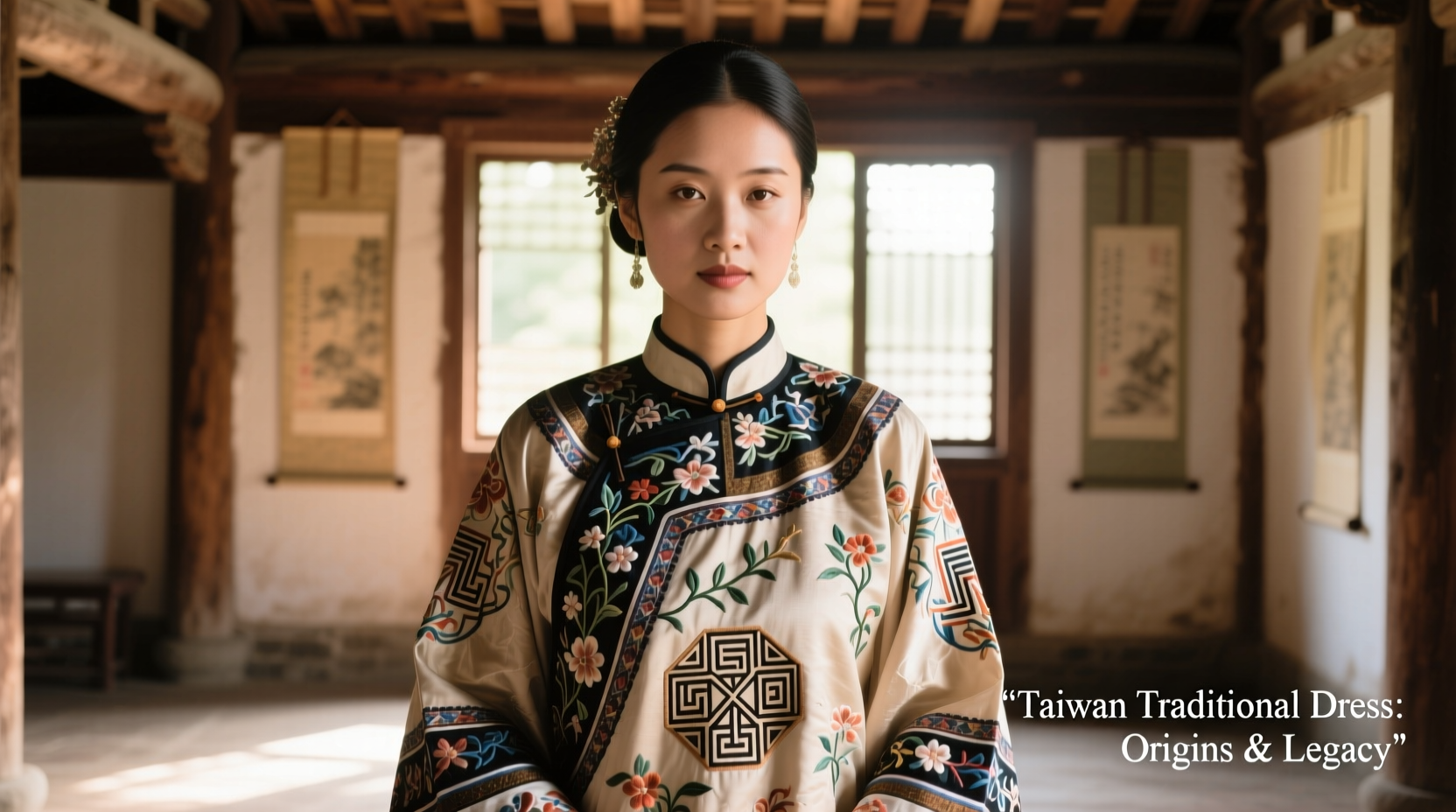
The Austronesian Matrix: Ramie, Bark, and Ancestral Identity
While global textile histories often categorize regional garments in isolation, the historical origins of Taiwan traditional dress reveal a profound intersection of indigenous Austronesian ingenuity, Han Chinese agrarian adaptation, and early modern European maritime trade. Long before the island was known as Formosa, its diverse Indigenous peoples developed sophisticated textile traditions dictated by mountainous terrain, subtropical climates, and complex spiritual cosmologies. To understand these garments is to read a woven archive of pre-colonial Asia and its subsequent collision with global trade routes.
The bedrock of early Formosan clothing was not cotton or silk, but ramie (Boehmeria nivea) and bark cloth. The processing of ramie was an arduous, multi-generational science. Stalks were harvested, stripped, boiled in wood-ash lye to remove pectins, and pounded to separate the fibers. According to the National Museum of Prehistory, this mastery over plant fibers was not merely a domestic chore; it was a sacred metric of social standing and spiritual purity among several tribal confederations.
Atayal Weaving and the Path of Rainbows
Among the Atayal and Sediq peoples, weaving on the backstrap loom (lubong) was the ultimate expression of female virtuosity. The loom, anchored by the weaver’s body weight, allowed for the creation of tightly warp-faced textiles featuring intricate geometric motifs. The diamond pattern, ubiquitous in Atayal garments like the bale (a sleeveless vest) and tapi (skirt), represents the eye of the ancestral spirit, offering protection to the wearer.
Historically, a woman’s mastery of complex weaving techniques, particularly the true diamond weave (hngaw), was a prerequisite for receiving traditional facial tattoos (ptasan). These tattoos were the passport to the afterlife, allowing the soul to cross the rainbow bridge to join ancestors. The introduction of European metal needles and commercial wool yarns in later centuries altered the speed of production, but the spiritual geometry of the Atayal backstrap loom remains fiercely protected by contemporary artisan cooperatives.
Paiwan Aristocracy and the Hundred-Pacer Viper
In stark contrast to the egalitarian weaving of the north, the southern Paiwan and Rukai societies were strictly stratified. Their traditional dress served as a visual manifestation of a complex aristocratic system. The mamazangiljan (nobles) held exclusive sumptuary rights to specific motifs, most notably the hundred-pacer viper (qinaljan), the sun, and human-head patterns. Commoners were forbidden from wearing these designs under penalty of severe social ostracization.
Paiwan garments are renowned for their elaborate cross-stitch embroidery and the incorporation of opaque glass beads. These beads, highly prized as heirlooms and currency, were originally acquired through ancient maritime trade networks long before European contact, though later European glassmakers would become a primary source. A genuine antique Paiwan noble’s ceremonial vest, heavy with ancestral glass beads and viper motifs, is a masterpiece of indigenous heraldry.
The 17th-Century Crossroads: Formosa Meets Europe
It is impossible to discuss the evolution of Taiwan traditional dress without examining the 17th-century colonial period, a pivotal era that inextricably linked Formosan textiles to European mercantile networks. In 1624, the Dutch East India Company (VOC) established Fort Zeelandia in Tainan, while the Spanish briefly occupied the north. This period fundamentally disrupted and reshaped local material cultures.
Trade logs from the VOC reveal a massive exchange economy: the Dutch traded European woolens, Leiden broadcloth, and Indian Coromandel chintz in exchange for Formosan deer hides and sulfur. The National Taiwan Museum notes that the influx of European iron needles, scissors, and brightly dyed woolen threads revolutionized indigenous tailoring. Indigenous weavers began integrating imported red and black wool into their ramie warp threads, creating a hybrid textile aesthetic that is now considered traditional. Furthermore, the Dutch introduction of mass-produced glass beads from Venice and Bohemia flooded the Paiwan aristocratic market, permanently altering the visual landscape of southern Formosan noble dress.
Han Migration: Indigo, Hemp, and the Hakka Hua Bu
As Han Chinese migration accelerated during the Qing Dynasty (1683–1895), the agrarian landscapes of western Taiwan were transformed, bringing new sartorial paradigms. The Hakka people, who settled in the rugged foothills, developed a highly practical, resilient wardrobe suited to intense labor and mountain humidity. The defining element of Hakka dress is the Hakka hua bu (floral cloth), characterized by its deep indigo dye and subtle resist-printed floral or geometric patterns.
Indigo dyeing (dianqing) was a cottage industry that flourished in villages like Sanxia and Meishan. The Hakka utilized durable hemp and cotton blends, constructing garments with wide sleeves that could be tied back during farming, and high collars to protect against sun and insects. Brass and copper coins were frequently repurposed as buttons or weighted hems, demonstrating a pragmatic approach to material resources. Today, the Ministry of Culture, Taiwan actively supports the revival of these natural dyeing techniques, recognizing them as vital intangible cultural heritage.
Material Matrix: Garments, Fibers, and Cultural Markers
To navigate the complexities of Taiwan traditional dress, collectors and historians must understand the distinct material markers of each ethno-linguistic group. The following table outlines the core components, historical influences, and contemporary market values for authentic and artisan-reproduced garments.
| Ethno-Linguistic Group | Primary Garment | Core Material & Technique | Historical European Influence | Contemporary Artisan Price (USD) |
|---|---|---|---|---|
| Atayal | Bale (Vest) / Tapi (Skirt) | Ramie, backstrap loom, warp-faced geometric weaving | Integration of imported red/black wool yarns and iron needles | $150 - $450 (Modern) |
| Paiwan | Noble Ceremonial Vest | Cotton/Hemp base, cross-stitch, glass bead applique | 17th-century Venetian/Bohemian glass beads via VOC trade | $800 - $3,000+ (Antique) |
| Amis | Age-Grade Sash & Tunic | Woven cotton, metallic bells, bright applique | Introduction of metallic bells and commercial cotton fabrics | $200 - $500 (Modern) |
| Hakka (Han) | Hakka hua bu Jacket | Hemp/Cotton blend, natural indigo resist-dyeing | Minimal; indigenous agrarian adaptation to subtropical climate | $90 - $250 (Modern) |
| Hoklo (Han) | Qipao / Traditional Minnan Suit | Silk, brocade, intricate embroidery | 19th/20th-century tailoring synthesis via treaty ports | $300 - $1,200 (Bespoke) |
Preservation, Provenance, and Ethical Sourcing
For collectors, curators, and cultural enthusiasts, acquiring pieces of Taiwan traditional dress requires a stringent ethical framework. Antique garments, particularly those belonging to the Atayal and Paiwan, are deeply sacred. Many indigenous communities view the sale of ancestral ceremonial garments as a severing of spiritual lineage. Therefore, the Shung Ye Museum of Formosan Aborigines and similar institutions strongly advocate for the repatriation of sacred items and the support of living artisans rather than the extraction of historical artifacts.
When purchasing contemporary Taiwan traditional dress, buyers should seek out certified indigenous artisan cooperatives, such as those operating in Hualien and Pingtung. Authentic hand-woven Atayal ramie textiles require hundreds of hours of labor; prices below $100 USD for a full vest are indicative of machine-made, mass-produced counterfeits often sold in tourist markets. True cultural appreciation involves investing in the living practitioners who continue to harvest ramie, spin thread, and weave the ancestral eyes into the fabric of the modern era, ensuring that the profound historical origins of these garments are not lost to time.