Traditional Dress in Taiwan: A Beginner's Cultural Guide

The Tapestry of Formosa: Understanding Taiwan's Garment Heritage
When exploring the rich textile history of Asia, the traditional dress in Taiwan offers a fascinating duality that reflects the island's complex demographic and historical landscape. Unlike the homogeneous national costumes found in some neighboring regions, Taiwan's sartorial heritage is a vibrant mosaic. It is primarily divided into two distinct streams: the ancient, deeply spiritual weaving traditions of the Indigenous Austronesian tribes, and the evolving silk, cotton, and indigo garments brought by Han Chinese migrants over the last four centuries.
For cultural garment enthusiasts and beginners alike, navigating this landscape requires an understanding of both material culture and social hierarchy. From the intricate backstrap-loom textiles of the mountain-dwelling Atayal to the refined, tailored qipaos of mid-century Taipei, Taiwan's clothing traditions are living artifacts. This beginner's guide will walk you through the essential garments, the cultural protocols surrounding them, and how to ethically source authentic pieces today.
Indigenous Austronesian Textiles: Atayal, Paiwan, and Amis
Taiwan is home to 16 officially recognized Indigenous tribes, each with distinct linguistic and sartorial identities. Their traditional garments are not merely decorative; they serve as visual languages denoting tribal affiliation, social status, and spiritual protection.
The Atayal: Masters of Ramie and Geometry
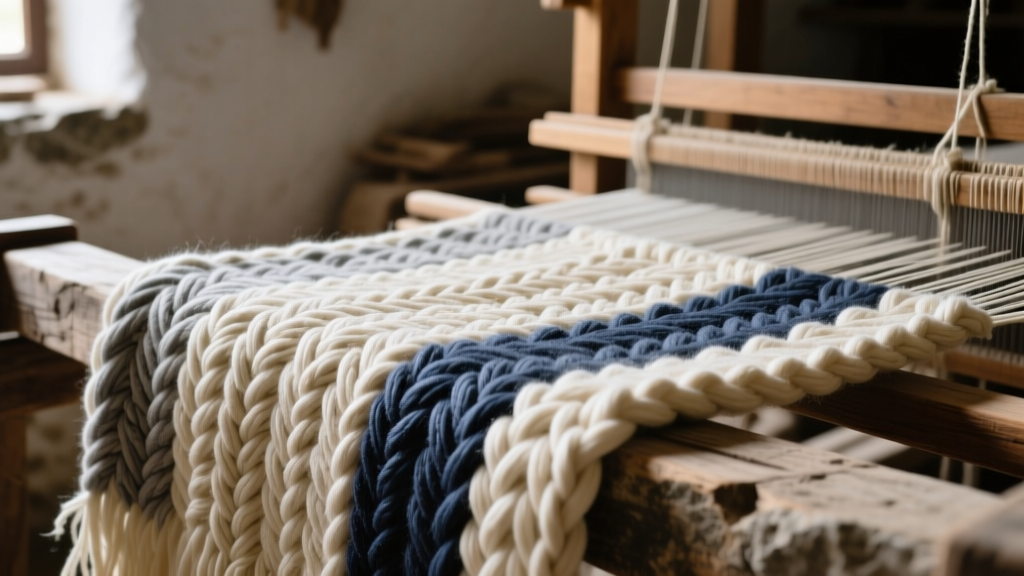
The Atayal people, residing primarily in the northern and central mountain ranges, are celebrated as the most skilled weavers among Taiwan's Indigenous groups. Traditional Atayal attire is fundamentally tied to ben-nan (ramie), a plant in the nettle family. The processing of ramie is labor-intensive, requiring stripping, boiling, sun-drying, and hand-spinning before it can be woven on a traditional backstrap loom.
- Color Palette: Historically limited to the natural off-white of ramie, deep reds derived from yam juice and iron-rich mud, and blacks from charcoal or specific plant dyes.
- Motifs: Atayal weaving relies on geometric abstraction rather than representational art. The diamond or rhombus shape is the most prevalent, representing the utux (ancestral spirits) watching over the wearer.
- Key Garments: The lubuy (sleeveless short jacket) and the lakhay (skirt or loincloth), often adorned with intricate warp-faced patterning that can take a master weaver months to complete.
The Paiwan: Aristocracy and the Hundred-Pace Viper
In the southern mountain ranges, the Paiwan society is strictly hierarchical, divided into nobility and commoners. This social stratification is rigidly enforced through sumptuary laws regarding traditional dress. According to the National Museum of Prehistory, only the noble class was historically permitted to wear certain colors, specific glass beads, and the sacred Kamakavuan (hundred-pace viper) motif.
Paiwan garments heavily feature cross-stitch embroidery and the application of antique glass beads, which were historically acquired through trade and served as a form of currency and spiritual talisman. The viper motif, often rendered in vibrant orange, yellow, and green threads, is believed to protect the wearer and connect them to their aristocratic ancestors.
The Amis: Vibrant Embroidery and Coastal Flair
The Amis, the largest Indigenous group, reside along the eastern coast and the Huatung Valley. Their traditional dress stands in stark contrast to the subdued, geometric earth tones of the Atayal. Amis garments, particularly those worn during the Ilisin (Harvest Festival), are characterized by bright red or black base fabrics heavily embroidered with floral and abstract motifs, and adorned with cowrie shells, pom-poms, and jingling bells.
Han Chinese Influences and the Evolution of Local Attire
The migration of Hoklo and Hakka peoples from Fujian and Guangdong provinces between the 17th and 19th centuries introduced Han Chinese sartorial traditions to the island. These garments adapted to Taiwan's subtropical climate and local agricultural realities.
Hakka Indigo and the Tung Blossom
The Hakka people, who often settled in the hilly, less fertile regions of Taiwan, developed a highly practical and resilient clothing culture. The most iconic element of Hakka traditional dress is Lan-yin (indigo dyeing). Using locally grown Strobilanthes cusia, Hakka artisans created durable, insect-repellent blue fabrics ideal for farm labor. Today, the Hakka floral cloth (Hakka hua bu), featuring bright, repeating floral patterns, is widely recognized as a cultural marker, often incorporating the Tung blossom, a symbol of Hakka resilience and connection to the mountainous terrain.
The Qipao: From Mainland Import to Taipei Chic
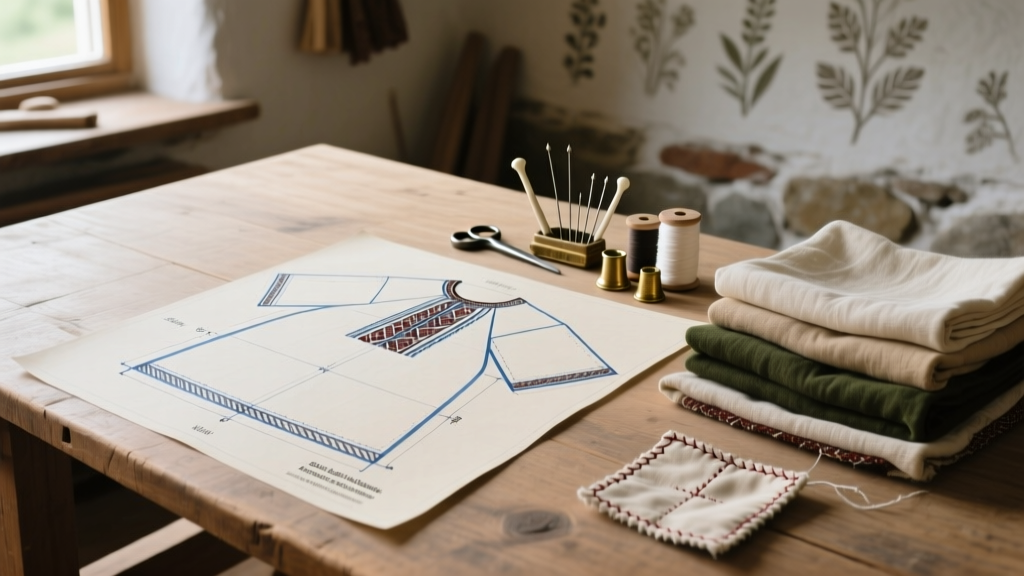
Following the mid-20th century, the qipao (cheongsam) became deeply embedded in Taiwan's urban sartorial identity. While its origins lie in 1920s Shanghai, Taipei became a sanctuary for master tailors who preserved and refined the garment's construction. Unlike the mass-produced, stretchy party dresses found globally, the traditional Taiwanese qipao is a marvel of structural engineering, featuring hand-rolled hems, precise darting, and custom-woven silk brocades. Institutions like the National Taiwan Museum frequently showcase the evolution of this garment, highlighting its transition from everyday wear to a symbol of formal cultural elegance.
Comparative Guide: Indigenous vs. Han Traditional Attire
Understanding the material and social differences between these traditions is crucial for collectors and cultural enthusiasts. Below is a structured comparison of the primary garment traditions.
| Group / Tribe | Primary Material | Signature Motif / Technique | Social Function | Estimated Artisan Price (USD) |
|---|---|---|---|---|
| Atayal | Hand-spun Ramie | Warp-faced geometric diamonds | Spiritual protection, weaving skill display | $400 - $900 |
| Paiwan | Cotton / Trade Cloth | Cross-stitch Viper, Glass Beads | Denotes aristocratic rank and lineage | $600 - $1,500+ |
| Amis | Cotton base | Bright embroidery, cowrie shells | Festival wear, age-grade hierarchy | $250 - $600 |
| Hakka | Cotton / Hemp | Indigo dyeing, Tung floral prints | Daily labor, durability, modesty | $80 - $250 |
| Han (Urban) | Silk Brocade | Tailored Qipao, hand-rolled hems | Formal events, weddings, diplomacy | $300 - $2,000+ |
Sourcing Authentic Pieces: Artisans, Markets, and Pricing
When seeking to acquire pieces of traditional dress in Taiwan, it is vital to distinguish between mass-produced souvenirs and authentic, artisan-crafted garments. The Taiwan Crafts Research and Development Center is an excellent resource for identifying certified master artisans and ethical cooperatives.
Where to Buy
- For Indigenous Textiles: Avoid generic night market stalls. Instead, visit the Wulai Atayal Museum in New Taipei City, or travel to Taitung and Hualien to purchase directly from Amis and Paiwan weaving cooperatives. Look for the 'MIT' (Made in Taiwan) indigenous craft certification.
- For Hakka Indigo: The Miaoli and Liudui regions in southern Taiwan host numerous indigo dyeing workshops where you can purchase authentic Lan-yin garments directly from the dyers.
- For Qipao and Han Silks: The Dadaocheng district in Taipei, specifically Dihua Street, remains the historical epicenter for premium silk merchants and bespoke qipao tailors.
Pricing Realities
Authenticity commands a premium. A genuine, hand-woven Atayal ramie jacket crafted by a recognized tribal elder will typically cost between 15,000 and 30,000 TWD ($500 to $1,000 USD). Conversely, factory-made 'festival wear' utilizing synthetic polyester and printed motifs can be found for under 1,500 TWD ($50 USD). As a beginner, investing in smaller, authentic accessories—such as a hand-woven Atayal belt or a genuine Paiwan bead necklace—is a more accessible entry point into the culture.
Cultural Etiquette: Wearing and Respecting Taiwan's Heritage
Engaging with traditional dress in Taiwan requires a mindful approach to cultural appropriation versus appreciation. Indigenous regalia is not a 'costume'; it is a sacred marker of identity and ancestral connection.
'When you wear the woven cloth of the ancestors, you are not just wearing fabric; you are carrying the eyes of the utux. It must be treated with the same respect as a living elder.' — Atayal weaving proverb, as documented by tribal heritage preservationists.
Key Etiquette Guidelines:
- Festival Participation: If invited to an Indigenous festival like the Amis Ilisin, follow the lead of your hosts. While some communities welcome respectful guests to join in communal dances wearing provided sashes or simple woven accessories, wearing full, unearned aristocratic Paiwan regalia or sacred Atayal headpieces is highly offensive.
- Qipao Wearing: The qipao is widely embraced as formal wear across Taiwanese society and is entirely appropriate for non-Han individuals to wear at weddings, tea ceremonies, or formal dinners, provided it is tailored respectfully and modestly.
- Purchasing Ethics: Never haggle aggressively with Indigenous artisans over the price of hand-woven textiles. The time, physical toll, and spiritual energy required to process ramie and weave on a backstrap loom far exceed the monetary asking price.
Conclusion
The traditional dress in Taiwan is a profound reflection of the island's soul—a place where the ancient rhythms of the Austronesian mountains meet the refined silk traditions of the Han Chinese plains. Whether you are studying the mathematical precision of an Atayal diamond weave, tracing the aristocratic lines of a Paiwan viper motif, or admiring the structural elegance of a Taipei-tailored qipao, you are engaging with a living, breathing textile heritage. By approaching these garments with historical curiosity and cultural respect, enthusiasts can help preserve these magnificent traditions for generations to come.