Swiss Dirndl History and Evolution
More Than Oktoberwear
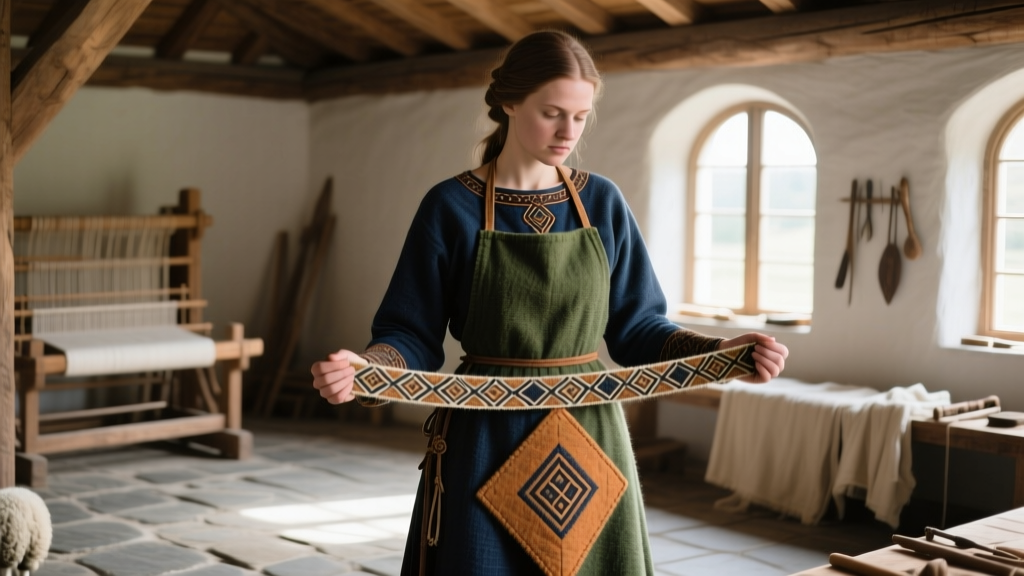
The dirndl — a fitted bodice, blouse, full skirt, and apron ensemble — is often associated with Bavarian beer festivals. But its history spans centuries of Alpine life, from humble workwear to aristocratic fashion to modern cultural symbol. The dirndl is shared heritage across Austria, southern Germany, and parts of Switzerland.
Origins
The word "dirndl" is Bavarian-Austrian dialect for "young woman" (from "Dirn," meaning girl). The garment evolved from the practical work clothes of Alpine farmwomen in the 18th and 19th centuries — a simple dress with an apron for protection and utility.
Working Class to Upper Class
In the late 19th century, urban upper classes "discovered" the dirndl as romantic Alpine fashion. Emperor Franz Joseph and his court popularized the "country look," and the dirndl was elevated from farm garment to fashionable resort wear. Wealthy city women commissioned dirndls in silk and fine cotton.
Components
- Dirndlgewand — the dress itself, with fitted bodice and gathered skirt
- Dirndlbluse — white blouse worn under the bodice, with varying sleeve and neckline styles
- Schürze — apron tied at the waist (the bow position traditionally signals relationship status)
- Accessories — bodice chain (Miederkette), small pouch, dirndl shoes
Apron Bow Code
- Bow on the left = single
- Bow on the right = taken/married
- Bow in the center = virgin (historical, rarely used today)
- Bow in the back = widowed
Modern Dirndl
Today, the dirndl thrives in both traditional and modern forms. Traditional dirndls are worn at folk festivals, weddings, and church events across the Alpine region. Designer dirndls appear in fashion magazines, with contemporary cuts, unusual fabrics, and modern styling. The garment has become a symbol of regional identity without the nationalistic overtones it carried in earlier periods.