Swedish Folkdrakt: Regional Costume Guide

A Nation of Costumes
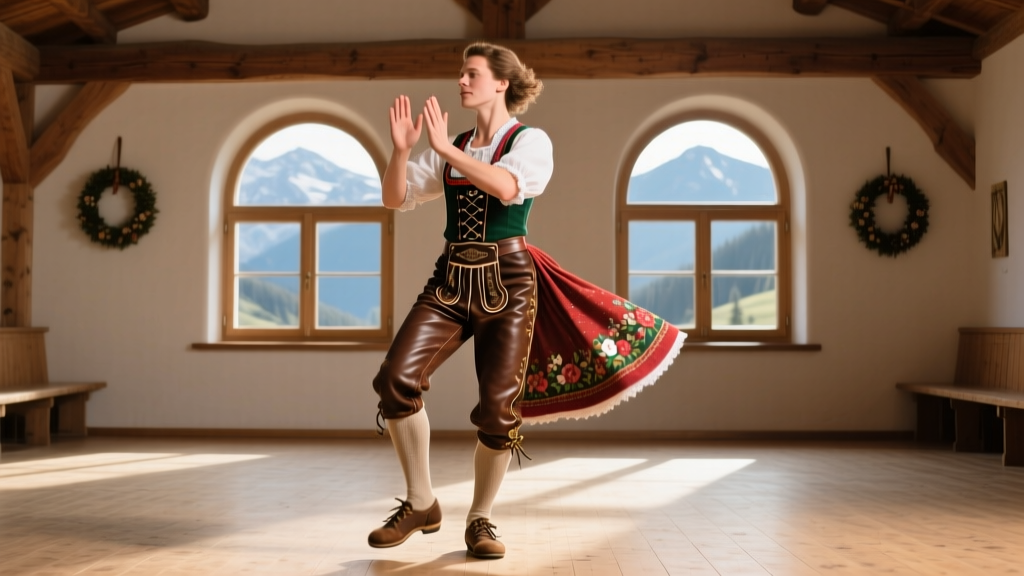
Sweden has over 800 documented regional costumes (folkdrakter). Unlike some countries where folk costume is a museum artifact, Swedish folkdrakt remains a living tradition worn at midsummer, national day, weddings, and folk festivals.
Structure of a Folkdrakt
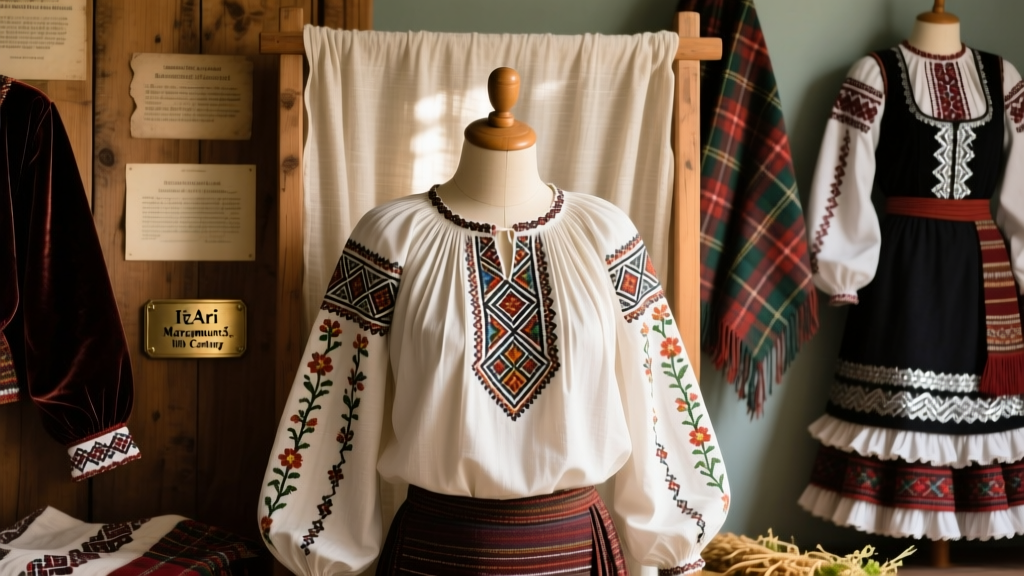
Women's costume: linen undergarment (sark), bodice (liv), skirt (kjol), apron (forklade), head covering, belt, and pocket. Men's: linen shirt, waistcoat, trousers, jacket, and headwear. The apron is most decorative for women; the waistcoat for men.
- Sark: white linen undergarment
- Liv: fitted bodice with front closure
- Kjol: full skirt, varying by region
- Forklade: apron, most decorative element
- Headwear: simple cap to elaborate crown
Notable Regional Variations
Dalarna costumes (Rattvik and Leksand) are most iconic: red, white, and blue. Skane costumes of southern Sweden are more colorful. The Sami gakti of northern Sweden represents a separate indigenous tradition. Halsingland features elaborate gold embroidery.
Contemporary Practice
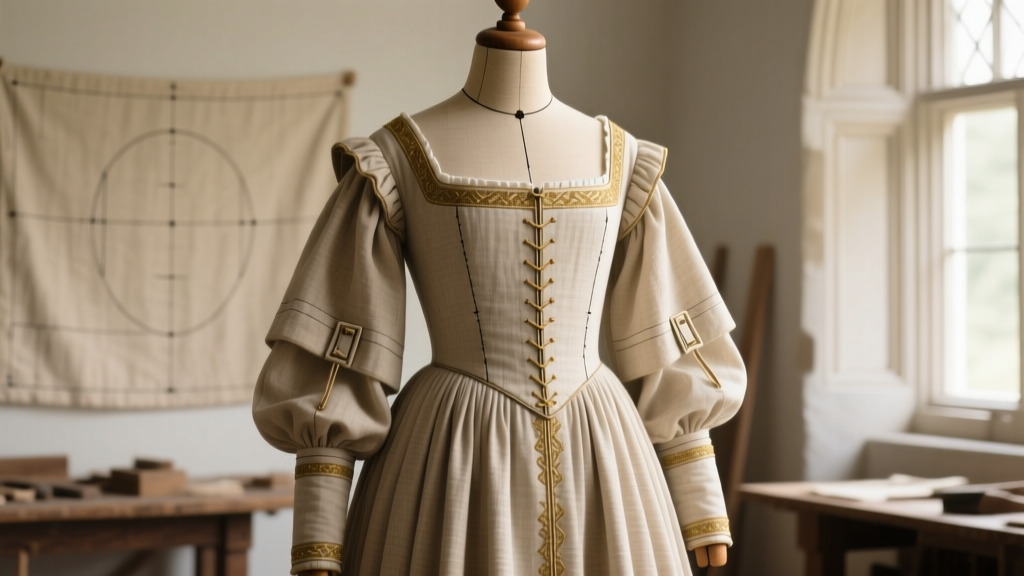
Local hemslöjd associations document and teach costume traditions. Workshops across Sweden create garments using traditional techniques: hand-sewing, natural dyeing, and period construction. National Day (June 6) sees thousands wearing regional folkdrakt.