Portuguese Traje: Minho to Alentejo
A Small Country, Many Costumes
Portugal may be compact, but its regional folk costumes (traje) are remarkably diverse — reflecting the country's varied geography, climate, and history. From the lush, green north to the arid southern plains, each region developed distinctive dress suited to its way of life.
Minho: The Gold Standard
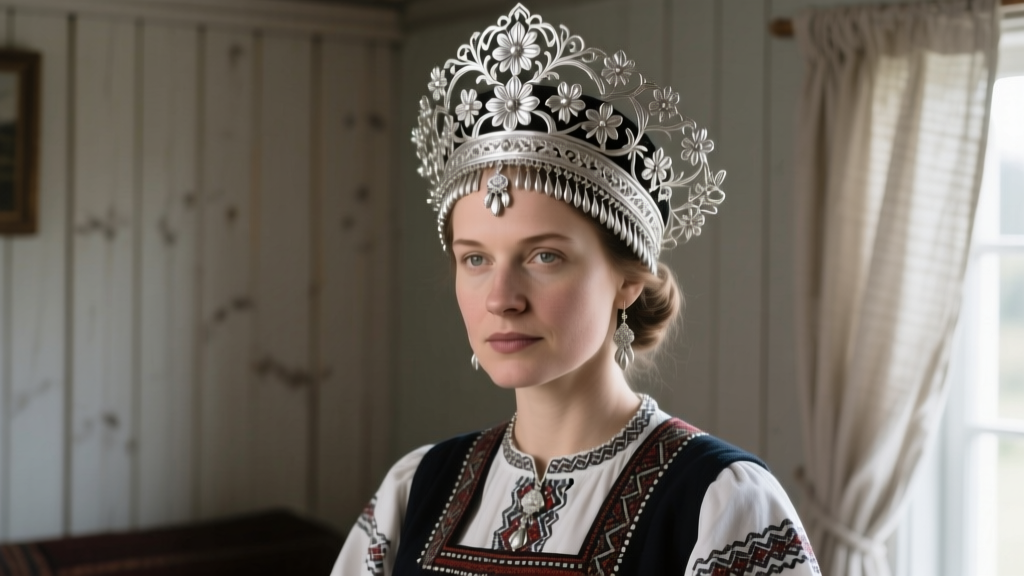
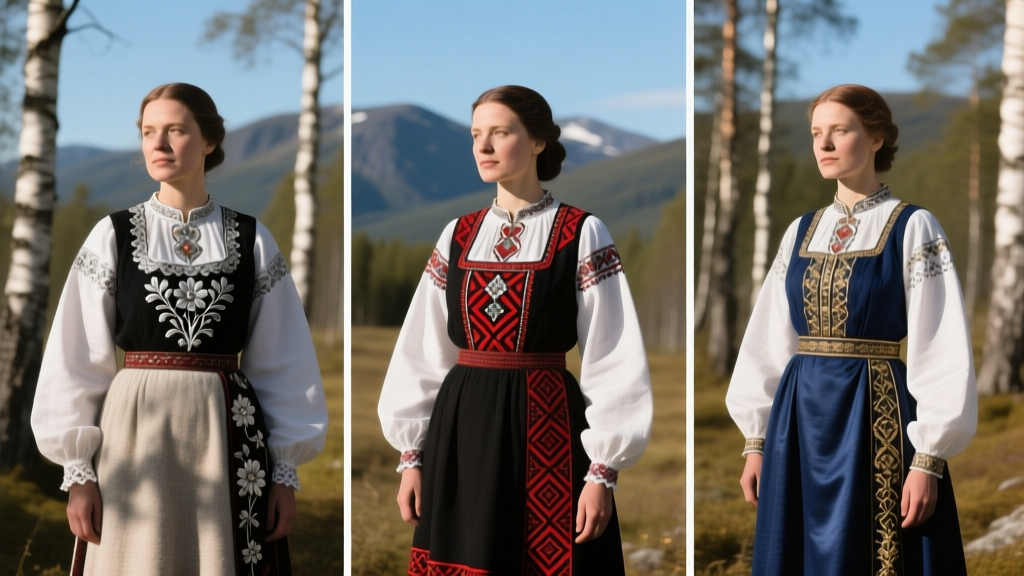
The Minho region (northwest Portugal) produces Portugal's most elaborate traje — worn during romarias (religious festivals). Women wear multiple layers: a richly embroidered skirt in red or black, a fitted bodice, a white blouse with drawn-thread embroidery, and heavy gold filigree jewelry. Minhota women traditionally wore their family's entire gold wealth around their necks and ears.
Alentejo: Practical Simplicity
In stark contrast, the Alentejo (southern Portugal) traje reflects agricultural life on vast wheat plains. Men wear simple dark trousers, white shirts, and wide-brimmed hats. Women's working dress is a long, dark skirt with a plain apron and headscarf. For festivals, women add color with printed cotton skirts and embroidered shawls.
- Minho: gold filigree, embroidered skirts, festival grandeur
- Alentejo: dark work clothes, wide-brimmed hats
- Azores: wool capes and distinctive knitwear
- Algarve: Moorish-influenced white garments
- Ribatejo: campino (bullfighter) inspired dress