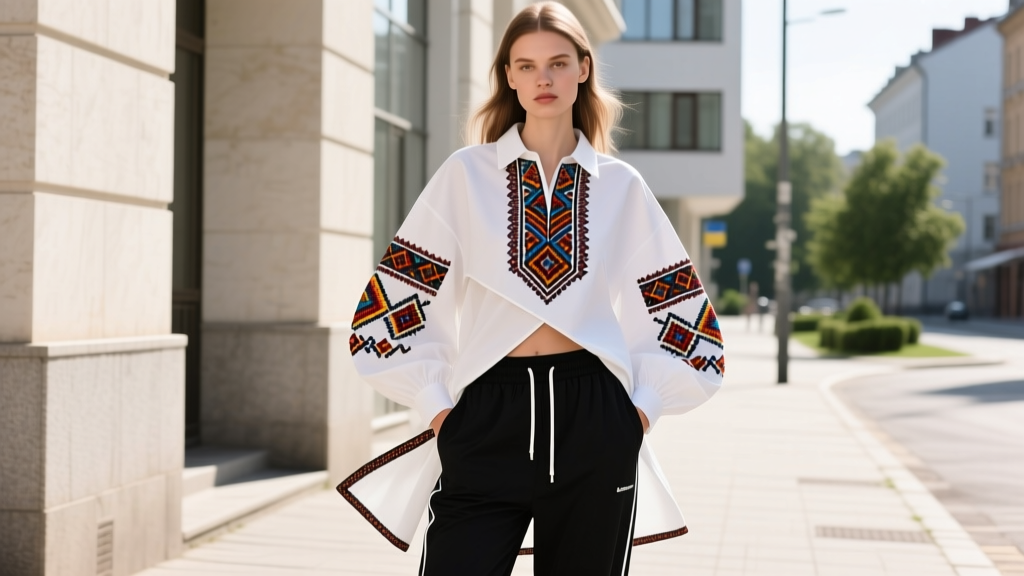
Modern German Outfits 2026: Traditional vs New

The Evolution of German Tracht: From Rural Roots to Runways
When discussing modern German outfits, it is crucial to understand that we are not dealing with a static museum relic, but a living, breathing sartorial tradition. In 2026, the intersection of heritage craftsmanship and contemporary minimalism has redefined how Bavarian, Alpine, and broader German folk dresses are worn. Whether you are attending a rural *Schützenfest* (marksmen's festival), a modern urban wedding, or navigating the global stage of Oktoberfest, understanding the nuance between historical *Tracht* and contemporary *Landhausmode* is essential for cultural respect and stylistic elegance.
Historically, regional dress was codified in the late 19th century by *Trachtenvereine* (costume associations) to preserve rural identities against the tide of industrialization. Today, as documented by the Historisches Lexikon Bayerns, the definition of Tracht has expanded. It now encompasses a spectrum ranging from strictly regulated historical garments to high-end, modern interpretations that prioritize luxurious textiles and tailored silhouettes over rigid historical replication.
Decoding the Spectrum: Tracht vs. Landhausmode vs. Party Wear
To master the styling of modern German outfits, one must first categorize the garment. The market is broadly divided into three distinct tiers, each with its own cultural protocols, fabric compositions, and appropriate settings.
Echte Tracht (Authentic Heritage Dress)
Authentic Tracht is region-specific and deeply tied to local history. A *Miesbacher Tracht* differs vastly from a *Werdenfelser* or *Allgäuer Tracht* in color palettes, skirt pleating, and bodice embroidery. These garments are often handmade by local artisans, utilizing heavy woolens, pure silk brocades, and hand-smocked linen. They are worn with immense pride at cultural festivals, church holidays, and traditional weddings. The styling is strictly governed by local custom; for instance, the specific type of hat (*Gamsbarthut*) and the silver *Charivari* (hunter's trophy chain) must align with regional codes.
Landhausmode (Country House Fashion)
This is where the concept of modern German outfits truly shines in 2026. *Landhausmode* bridges the gap between historical accuracy and contemporary wearability. Designers utilize premium natural fibers—such as merino wool, Tencel, and organic cotton—but apply modern tailoring techniques. Skirts may feature contemporary midi-lengths, and bodices might forgo traditional front-lacing for sleek, hidden zippers or minimalist hook-and-eye closures. Landhausmode is the preferred choice for modern weddings, upscale autumn festivals, and high-end corporate events in Southern Germany and Austria.
Kommerzielle Tracht (Commercial and Festival Wear)
Often characterized by synthetic fabrics, mass-produced polyester blends, and exaggerated, revealing cuts, commercial Tracht is designed purely for the tourist market and large-scale beer festivals. While culturally permissible in the context of a carnival or a tourist-heavy Oktoberfest tent, it is generally frowned upon at formal events or traditional rural gatherings. Distinguishing this tier is easy: look for plastic buttons, machine-stamped faux-leather, and a lack of structural boning in the bodice.
Textile Anatomy: Smocking, Leather, and Hardware
The true value of a German folk garment lies in its construction. The Bayerisches Nationalmuseum (Bavarian National Museum) houses extensive textile archives that highlight the painstaking handwork required for authentic pieces. Modern interpretations that respect this heritage will mimic or utilize these traditional techniques.
The Dirndl Bodice and Froschgoscherl
The *Mieder* (bodice) of a Dirndl is its architectural core. In traditional styling, the back of the bodice often features *Froschgoscherl* (frog mouth) smocking—a complex, hand-gathered pleating technique that allows the fabric to stretch and conform to the wearer's body without the need for synthetic elastane. In high-end modern German outfits, you will also find *Paspelierung* (contrast piping) along the seams, and *Hirschhorn* (deer antler) or *Corozo* (vegetable ivory) buttons. Mass-market outfits will substitute these with stamped metal or plastic.
Lederhosen and the Art of the Säckler
Authentic *Lederhosen* are the domain of the *Säckler* (master leatherworker). Traditional breeches are crafted from *Hirschleder* (deer leather) or *Rehleder* (roe deer), tanned using natural fats to create a supple, breathable, and incredibly durable *Rauhleder* (suede-like finish). The embroidery (*Stickerei*) is not merely decorative; it historically denoted the wearer's region and social standing. Modern styling in 2026 sees a rise in vegan leather alternatives and tailored wool *Lederhosen*-style trousers for those seeking the silhouette without the animal products, though traditionalists maintain that the patina of aged, smoked deer leather is irreplaceable.
Investment Guide: Pricing Modern German Outfits
Investing in German heritage wear requires an understanding of the market. Below is a comprehensive pricing guide for 2026, reflecting the cost of materials and artisan labor.
| Tier | Garment Type | Primary Materials | Price Range (EUR) | Lifespan & Care |
|---|---|---|---|---|
| Authentic (Echte Tracht) | Hand-embroidered Dirndl / Säckler Lederhosen | Silk brocade, brain-tanned deer leather, linen | €800 - €2,500+ | Generational; requires specialist leather and textile care. |
| Premium Landhausmode | Tailored Midi-Dirndl / Wool Breeches | Merino wool, organic cotton, Corozo buttons | €350 - €750 | 10+ years; standard dry cleaning or gentle hand wash. |
| Mid-Range Contemporary | Modern Minimalist Dirndl | Cotton blends, Tencel, hidden zippers | €150 - €300 | 3-5 years; machine washable on delicate cycles. |
| Commercial / Party | Festival Dirndl / Faux-Leather Shorts | Polyester, elastane, PU leather | €40 - €120 | 1-2 seasons; prone to pilling and seam tearing. |
Contemporary Styling: Breaking the Rules Respectfully
Styling modern German outfits for contemporary settings requires a balance of reverence and personal expression. The rigid rules of the 19th century have softened, allowing for sophisticated cross-pollination with modern wardrobes.
Footwear: Beyond the Haferlschuh
Traditionally, men wear *Haferlschuhe* (heavy, side-laced Alpine shoes) and women wear *Trachtenschuhe* (low-heeled, buckled pumps). In 2026, contemporary styling embraces high-quality leather Chelsea boots or minimalist, clean white sneakers for men pairing them with tailored wool trousers or modern *Lederhosen*. For women, a sleek, block-heeled leather ankle boot pairs beautifully with a midi-length *Landhaus* Dirndl, offering both comfort for cobblestone streets and a modernized silhouette.
The Top and Outerwear Shift
While the classic white *Bluse* (blouse) with puffed sleeves remains a staple for Dirndls, modern styling often substitutes it with a high-necked silk camisole, a fine-knit merino turtleneck in autumn, or a crisp, oversized poplin shirt worn with the sleeves rolled. For men, the traditional checkered *Karo* shirt is increasingly swapped for a textured linen button-down or a fine-gauge cashmere sweater, elevating the *Lederhosen* from rustic workwear to smart-casual elegance.
Etiquette Myths vs. Historical Realities
One of the most pervasive myths surrounding the Dirndl is the 'apron bow code'—the idea that tying the *Schürze* (apron) bow on the left indicates single, right means married, middle means virgin, and back means widowed. Cultural experts and historians widely debunk this as a 20th-century marketing invention designed to sell more Dirndls to tourists. Historically, the bow was tied wherever it was most comfortable or dictated by local village custom. In modern, respectful styling, you should tie the bow in a neat, symmetrical knot at the front or slightly to the side based on your aesthetic preference and comfort, rather than broadcasting your relationship status to a beer tent.
Sourcing and Cultural Preservation
When acquiring modern German outfits, prioritize transparency and artisan support. Look for brands that are members of recognized cultural cooperatives or those that explicitly name their *Säckler* and tailors. Avoid fast-fashion replicas that appropriate sacred regional embroidery patterns. By investing in premium *Landhausmode* or authentic *Tracht*, you are not merely buying a costume; you are participating in the preservation of European textile heritage, supporting rural economies, and ensuring that these magnificent garments continue to evolve with grace and dignity into the future.