The Modern German Outfit: A Beginner's Guide for 2026

Beyond the Beer Tent: The Evolution of Contemporary Tracht
When most international visitors think of traditional European clothing, the German dirndl and lederhosen immediately come to mind. However, the reality of what locals wear in Munich, Salzburg, and across the Alpine regions is far more nuanced than the mass-produced costumes sold in tourist shops. Today, building an authentic modern german outfit is about participating in a living, breathing sartorial culture known as Tracht and Landhausmode (country-house fashion).
Over the last two decades, a massive Tracht renaissance has swept through Southern Germany and Austria. Contemporary designers have reimagined historical silhouettes, integrating sustainable textiles, modern tailoring, and sophisticated color palettes. According to the Bayerisches Nationalmuseum, the modern revival respects historical construction methods while adapting to contemporary lifestyles, proving that these garments are not static museum relics, but dynamic expressions of regional identity. Whether you are attending Oktoberfest, a traditional Alpine wedding, or a cultural festival, understanding the anatomy of a genuine modern german outfit is essential for dressing with respect and elegance.
The Anatomy of a Modern German Outfit for Women
The women's dirndl is a masterclass in modular dressing. A complete, high-quality ensemble consists of four distinct components, each with its own rules of construction and etiquette.
1. The Mieder (Bodice)
The bodice is the structural heart of the dirndl. In a premium modern german outfit, the Mieder is heavily interfaced and tailored to provide a flattering, supportive silhouette without the need for a corset. While cheap costumes use flimsy plastic hooks, authentic bodices feature traditional Froschgoscherl (frog-mouth) metal hook-and-eye closures, or concealed zippers for a seamless look. The neckline varies from modest, high-cut collars to elegant heart-shaped or balconette cuts.
2. The Rock (Skirt)
Skirt length is a major indicator of occasion and regional preference. The Midi length (typically 60 to 70 cm, grazing the mid-calf) is the undisputed standard for a sophisticated modern german outfit. It offers elegance and ease of movement. Mini dirndls are generally reserved for younger demographics or specific club events, while Maxi lengths (ankle-grazing) are reserved for highly formal occasions and church festivals.
3. The Schürze (Apron)
No dirndl is complete without the apron, and its placement carries a famous cultural code. The bow must be tied at the natural waist, and its position signals the wearer's relationship status to the world:
- Left Side: Single and open to meeting people.
- Right Side: In a relationship, engaged, or married.
- Center Front: Traditionally signifies virginity, though today it is often worn by children or simply as a stylistic choice.
- Center Back: Widowed, or working as a waitress/staff (tied back for practicality).
4. The Bluse (Blouse)
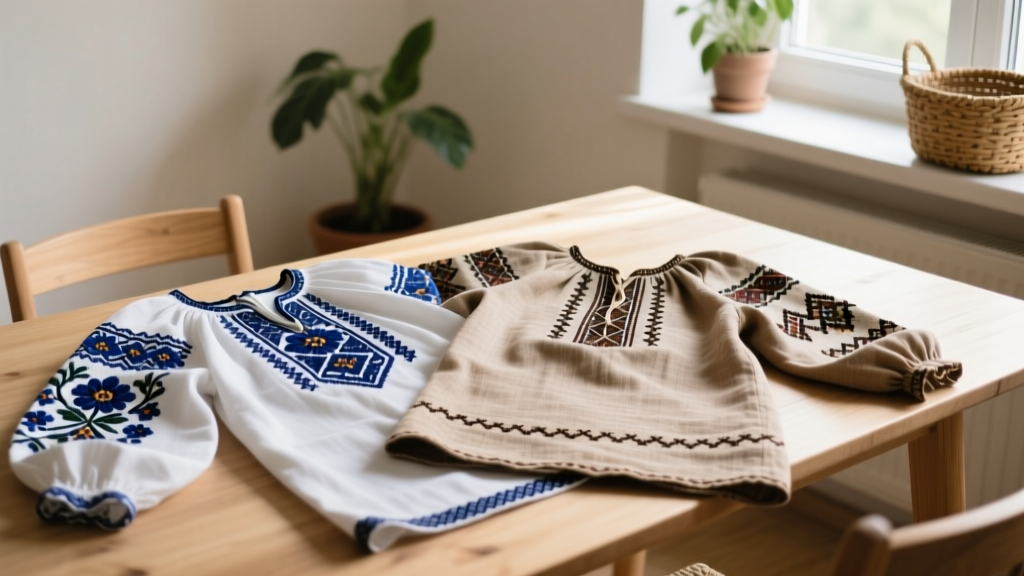
The blouse sits beneath the bodice. Modern iterations favor high-quality cotton batiste, linen, or silk blends. While off-the-shoulder styles are popular in contemporary fashion, traditionalists often prefer modest, high-necked blouses with delicate pintuck detailing or subtle lace trims.
Crafting the Modern German Outfit for Men
For men, the foundation of the modern german outfit is the Lederhose (leather breeches). Unlike women's dirndls, which are often washed or updated seasonally, a genuine pair of lederhosen is an investment piece designed to last a lifetime, developing a rich, personalized patina over the years.
Leather Selection and Cut
The gold standard for authentic lederhosen is Hirschleder (deer leather). Sourced from Alpine deer, this leather is exceptionally soft, breathable, and durable. Ziegenleder (goat leather) and cowhide are also used but are generally considered less premium. The two primary cuts are:
- Kurze Lederhose: Ends just above the knee. This is the most popular choice for festivals, weddings, and warm-weather events.
- Bundhose: Extends below the knee and is tied or buttoned at the calf. This is a more traditional, conservative cut, often favored by older gentlemen or worn in colder months.
Embroidery and the Plattler
The intricate hand-embroidery (Stickerei) on the front flap and the Plattler (the cross-piece of the suspenders) denotes regional origin and artisan skill. Motifs like oak leaves, edelweiss, and hunting horns are meticulously stitched using silk or linen thread. The Trachten-Informationszentrum in Benediktbeuern actively preserves these regional embroidery patterns, ensuring that modern artisans continue to use historically accurate motifs rather than generic, mass-produced designs.
Shirts and Footwear
A traditional Pfoad (a collarless, heavily textured linen shirt) is the most authentic pairing for lederhosen. However, modern styling frequently incorporates high-quality checkered flannel or crisp, tailored poplin shirts. Footwear must consist of Haferlschuhe—traditional Bavarian brogues featuring distinctive side-lacing and robust leather soles. Pairing premium lederhosen with modern athletic sneakers is considered a major faux pas in traditional circles.
Investment Guide: Pricing and Authenticity Tiers
Navigating the market for a modern german outfit can be overwhelming. The price disparity between a novelty costume and a handcrafted garment is vast. Below is a comprehensive breakdown to help beginners understand what they are paying for.
| Quality Tier | Price Range (EUR) | Materials & Construction | Best For |
|---|---|---|---|
| Fast Fashion / Novelty | €40 - €120 | Polyester blends, plastic hooks, machine-glued appliqués. Non-breathable. | Single-use costume parties, theatrical props. |
| Entry-Level Authentic | €150 - €350 | Cotton, linen, cowhide or pigskin leather. Machine-stitched, metal hardware. | First-time Oktoberfest visitors, casual folk festivals. |
| Premium Designer | €400 - €900 | Raw silk, Tencel, premium deer leather. Tailored fits, intricate machine-assisted embroidery. | Weddings, high-end cultural events, serious enthusiasts. |
| Bespoke Artisan (Maßgeschneidert) | €1,200 - €3,000+ | Hand-tanned Hirschleder, 100% hand-embroidery, horn buttons, bespoke tailoring. | Lifelong investment pieces, generational heirlooms. |
When investing in the Entry-Level or Premium tiers, look for established heritage brands such as Meindl, Angermaier, or Krüger, which bridge the gap between historical accuracy and modern wearability.
Styling Protocols: Outerwear and Accessories
A truly complete modern german outfit extends beyond the base garments. Alpine weather is notoriously unpredictable, and layering is both a practical necessity and a stylistic hallmark.
The Trachtenjanker
The Trachtenjanker is a traditional jacket made from Loden (a dense, water-resistant woolen fabric) or boiled wool (Walkjacke). Typically featuring horn buttons, contrasting lapels, and subtle embroidery, a well-fitted Janker instantly elevates a man's or woman's outfit, providing warmth without compromising the traditional silhouette.
Trachtenschmuck and Charivari
For women, Trachtenschmuck (traditional jewelry) is essential. This typically includes a silver filigree choker, matching drop earrings, and a Charivari-style chain draped across the bodice. For men, the Charivari is a heavy silver chain worn across the front flap of the lederhosen, adorned with silver coins, animal teeth, or hunting trophies. Historically a talisman for a successful hunt, today it serves as a striking, masculine accessory that anchors the modern german outfit.
Hats and Headpieces
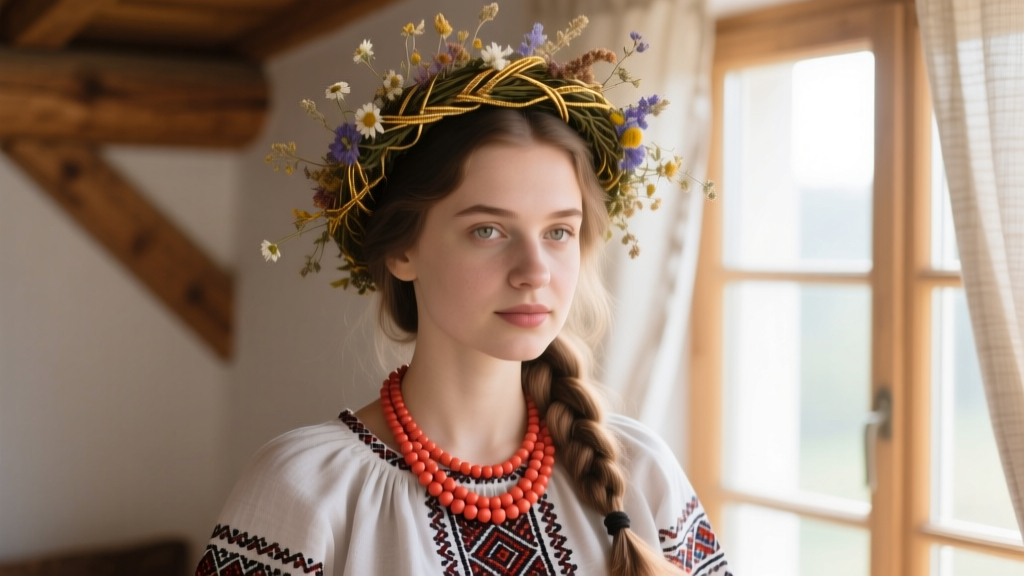
Men frequently wear a Seppelhut or a wide-brimmed felt hat adorned with a Gamsbart (a tuft of chamois or badger hair). The size and quality of the Gamsbart are subtle indicators of status and regional pride. Women may opt for a delicate floral wreath (Jungfernkranz) or a velvet fascinator, though going bareheaded is entirely acceptable and common in modern settings.
Cultural Preservation and Sourcing Authentic Pieces
As the global popularity of Alpine fashion grows, so does the risk of cultural dilution. To truly appreciate and respect the heritage behind the modern german outfit, beginners should engage with the institutions dedicated to preserving these traditions.
The Münchner Stadtmuseum (Munich City Museum) houses an extensive collection of historical Tracht, offering profound insights into how working-class Alpine garments were romanticized by the Bavarian aristocracy in the 19th century before evolving into the modern iterations we see today. Understanding this history transforms the act of buying a dirndl or lederhosen from a mere shopping trip into an act of cultural participation.
When sourcing your first authentic outfit, avoid generic online marketplaces that ship mass-produced synthetic garments. Instead, seek out specialized Trachtengeschäfte (Tracht boutiques) either in person in Munich, Salzburg, or Innsbruck, or through their verified international e-commerce platforms. Many authentic shops offer virtual consultations, ensuring that your bodice fits correctly and your lederhosen are tailored to your exact measurements.
Ultimately, a genuine modern german outfit is a celebration of craftsmanship, regional pride, and sartorial elegance. By investing in quality materials, respecting the etiquette of the apron knot and leather care, and understanding the historical weight of the garments, you ensure that you are not just wearing a costume, but honoring a vibrant, living European tradition.