Modern German Attire: The Cultural Evolution of Tracht

Beyond the Stereotype: Defining Modern German Attire
When the global imagination conjures images of traditional European clothing, few garments are as instantly recognizable—or as frequently misunderstood—as German folk dress. To the uninitiated, modern German attire might simply mean the mass-produced, polyester dirndls and novelty lederhosen seen in international beer halls. However, within Germany, particularly in the southern states of Bavaria, Baden-Württemberg, and Austria, the reality of Tracht (traditional dress) and Landhausmode (country-house fashion) is a vibrant, living sartorial tradition. Understanding modern German attire requires navigating the delicate intersection of historical preservation, regional identity, and contemporary fashion.
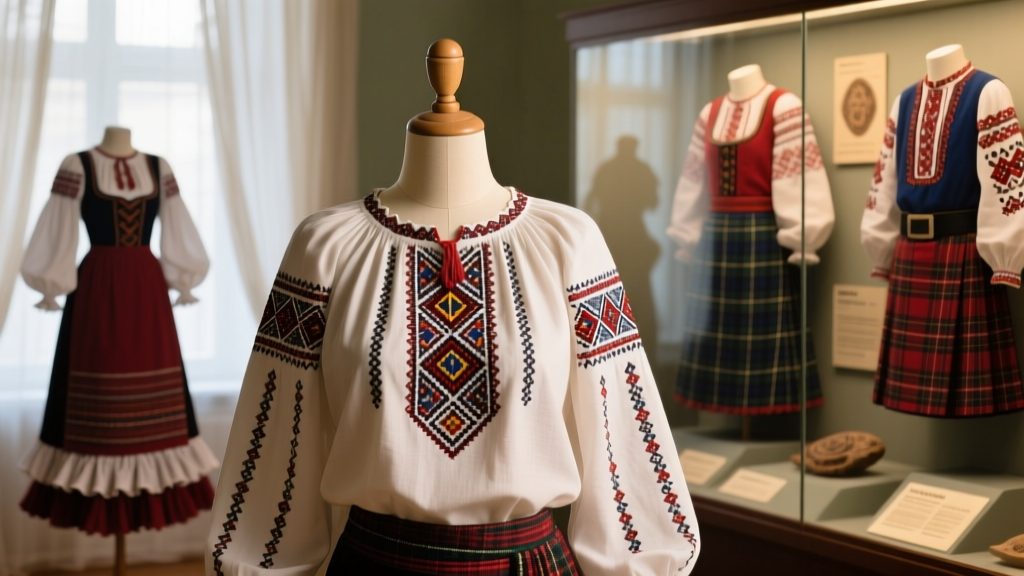
According to textile historians at the Bayerisches Nationalmuseum, the evolution of German folk dress is not a static relic of the past but a dynamic dialogue between heritage and modernity. Today, wearing Tracht is an expression of cultural pride, regional belonging, and an appreciation for artisanal craftsmanship. It is crucial to distinguish between Volkstracht (historically codified, region-specific folk dress maintained by heritage associations) and Trachtenmode (modern, commercially produced attire inspired by historical silhouettes). Both play vital roles in the contemporary German wardrobe, but they serve different cultural functions and demand different levels of sartorial respect.
The Anatomy of Contemporary Tracht: Fabric, Fit, and Function
To appreciate modern German attire, one must examine the meticulous construction that separates authentic garments from commercial caricatures. The quintessential women's garment, the Dirndl, is a four-part ensemble consisting of the Mieder (bodice), Rock (skirt), Bluse (blouse), and Schürze (apron). In high-quality contemporary iterations, the Mieder is heavily structured, often featuring internal boning or stiffened linen interfacing to provide a flattering, supportive silhouette without the discomfort of historical corsetry. The Rock is traditionally pleated (gereiht) rather than gathered, allowing the fabric to fall in clean, elegant lines that hit at the knee or midi-length.
Material Integrity: Natural Fibers vs. Fast Fashion
The hallmark of premium modern German attire is its reliance on natural, breathable fibers. Authentic Dirndls are crafted from pure cotton (Baumwolle), raw linen (Leinen), or silk blends, which allow for temperature regulation during long days at outdoor festivals. In contrast, commercial festival wear often relies on synthetic blends that trap heat and degrade quickly. For men, the Lederhosen (leather breeches) represent the pinnacle of artisanal leatherwork. Authentic pairs are crafted by master Säckler (leatherworkers) using Hirschleder (deer leather) or Rehleder (roe deer leather). These hides undergo Sämischgerbung, a traditional brain- or fat-tanning process that yields a buttery, washable leather that develops a beautiful patina over decades of wear.
The Menswear Silhouette: Janker and Bundhosen
While Lederhosen draw the most attention, the Janker (a traditional wool jacket) is a staple of modern German menswear. Worn over a checked or white linen shirt, the Janker features distinct horn buttons (Hornknöpfe) and a stand-up collar. Modern iterations maintain the historical lapel shapes but utilize lighter, more refined loden wool, making them appropriate for upscale alpine dining or rural weddings. The Bundhosen (knee-length leather trousers) are often preferred over the shorter Kurze Lederhosen for formal evening events, paired with thick wool socks (Loferl) and Haferl shoes.
Socio-Cultural Codes: When and How to Wear Trachtenmode
Wearing modern German attire carries implicit social codes. It is rarely worn as everyday streetwear in metropolitan centers like Berlin or Hamburg; rather, it is reserved for specific cultural, religious, and social milestones. Appropriate occasions include Schützenfeste (marksmen festivals), Maibaumaufstellen (maypole raising ceremonies), alpine weddings, and church holidays. Wearing Tracht to a standard nightclub or a non-themed corporate event is generally considered a faux pas, bordering on the wearing of a Kostüm (costume), a term that carries a mildly pejorative connotation in this context.
The Apron Bow (Schleife) Protocol: Myth vs. Reality
One of the most pervasive pieces of folklore surrounding the Dirndl is the "apron bow code," which supposedly signals the wearer's relationship status. While widely cited in modern tourism brochures, cultural anthropologists note that this is a relatively recent commercial invention, though it has been retroactively adopted by many younger wearers as a playful tradition. The generally accepted modern code is:
- Bow on the Left: Single and open to courtship.
- Bow on the Right: Married, engaged, or in a committed relationship.
- Bow in the Center: Traditionally signaled virginity, though today mostly worn by young girls or those unaware of the code.
- Bow at the Back: Widowed, or practically, the wearer is a waitress/server.
"While the apron code is a charming modern addition to Dirndl etiquette, historical records from the 19th century show that aprons were tied simply for practical convenience, usually at the back or side, without romantic subtext." — Archives of the Germanisches Nationalmuseum.
Regional Nuances: From Alpine Bavaria to Northern Lowlands
To equate modern German attire solely with Alpine Bavarian fashion is to ignore the vast regional diversity of the country. While the Dirndl and Lederhosen dominate the south, other regions maintain distinct sartorial identities. In the Black Forest (Schwarzwald), the Bollenhut—a striking straw hat adorned with bright red or black wool pompoms—remains a powerful symbol of local heritage, though it is now primarily worn by heritage groups rather than as daily modern attire.
Conversely, in Northern Germany, particularly in East Frisia (Ostfriesland), traditional dress features dark, modest skirts, intricate silver filigree jewelry, and lace caps that reflect the maritime and Calvinist history of the region. The Bayerischer Trachtenverband (Bavarian Tracht Association) works tirelessly to preserve southern styles, but similar, albeit smaller, folklore societies across the north ensure that Low German textile traditions are not entirely eclipsed by the global popularity of the Alpine silhouette.
Investment Guide: Pricing and Procuring Authentic Modern Garments
Investing in authentic modern German attire is a commitment to slow fashion and artisanal heritage. The price disparity between commercial festival wear and genuine Trachtenmode is vast, reflecting differences in labor, material sourcing, and longevity. Below is a structured breakdown to guide prospective buyers.
| Garment Category | Price Range (EUR) | Material Composition | Best Use Case & Longevity |
|---|---|---|---|
| Bespoke Volkstracht | €1,200 - €3,500+ | Hand-woven linen, silk, vegetable-tanned deer leather, silver hooks. | Heritage events, weddings. Lifetime heirloom pieces. |
| Premium Landhausmode | €350 - €850 | High-grade cotton, loden wool, horn buttons, structured bodices. | Oktoberfest, alpine dining, rural weddings. 10+ years with care. |
| Commercial Festival Wear | €45 - €150 | Polyester blends, plastic buttons, unlined bodices, synthetic leather. | Single-use tourism, costume parties. 1-2 seasons. |
| Authentic Lederhosen (Kurze) | €600 - €1,500 | Sämisch-tanned Hirschleder, hand-embroidered suspenders. | Lifelong wear; leather softens and improves with age. |
When procuring premium garments, buyers should look for specialized boutiques in Munich, Salzburg, or Innsbruck, or order directly from established heritage brands such as Lodenfrey, Angermaier, or Meindl. A key indicator of quality in a Dirndl is the pattern matching at the seams and the presence of a hidden pocket within the skirt—a hallmark of thoughtful, traditional tailoring.
Preserving Heritage: The Future of German Sartorial Traditions
The survival of modern German attire relies heavily on the transmission of specialized skills. The embroidery found on authentic Lederhosen suspenders (Hosenträger)—often featuring motifs like edelweiss, oak leaves, or alpine roses—is executed using a technique called Sattlerstich (saddler's stitch), which raises the thread above the leather to create a three-dimensional effect. As master artisans age, institutions and guilds are actively recruiting apprentices to ensure these techniques do not vanish.
Furthermore, a growing movement of young, eco-conscious German designers is reinterpreting Tracht through the lens of sustainability. By utilizing locally sourced organic hemp, upcycled vintage textiles, and natural plant dyes, they are ensuring that modern German attire remains relevant to a generation that values environmental stewardship as deeply as cultural preservation. Ultimately, the true beauty of German Tracht lies not in its rigidity, but in its remarkable ability to adapt, reflecting the enduring spirit of the communities that wear it.