How to Wear Lederhosen: Modern vs Traditional Alpine Styling

When exploring the rich tapestry of European folk dress, few garments command as much global recognition—and as much stylistic misunderstanding—as the Bavarian Lederhosen. Often reduced to a caricature at international beer festivals, authentic Alpine leather breeches are actually a cornerstone of living cultural heritage. For those seeking to understand how to wear lederhosen with genuine respect and sartorial accuracy, it is crucial to distinguish between Tracht (living, regional traditional dress) and Trachtenmode (commercialized fashion).
This guide bridges the gap between historical authenticity and contemporary alpine styling, providing a comprehensive framework for wearing lederhosen whether you are attending a traditional Kirchweih (church dedication festival), a wedding in Tyrol, or simply appreciating the craftsmanship of European folk costumes.
The Anatomy of Authentic Alpine Leather
Before assembling an outfit, one must understand the foundation of the garment. True lederhosen are not merely 'leather shorts'; they are highly engineered pieces of workwear turned cultural pride.
Sämischgärbung: The Tanning Secret
Authentic traditional lederhosen are crafted using Sämischgärbung (chamois or brain/oil tanning). This ancient method uses fish oils and animal fats to cure the hide, resulting in a leather that is remarkably soft, breathable, and, crucially, washable. According to the Bayerisches Nationalmuseum, this tanning process was essential for 18th-century hunters and foresters who needed durable clothing that could withstand alpine weather and be cleaned without stiffening. Modern mass-produced alternatives often use chrome-tanned cowhide, which is stiffer, less breathable, and degrades poorly when exposed to moisture.
The Cut and Silhouette
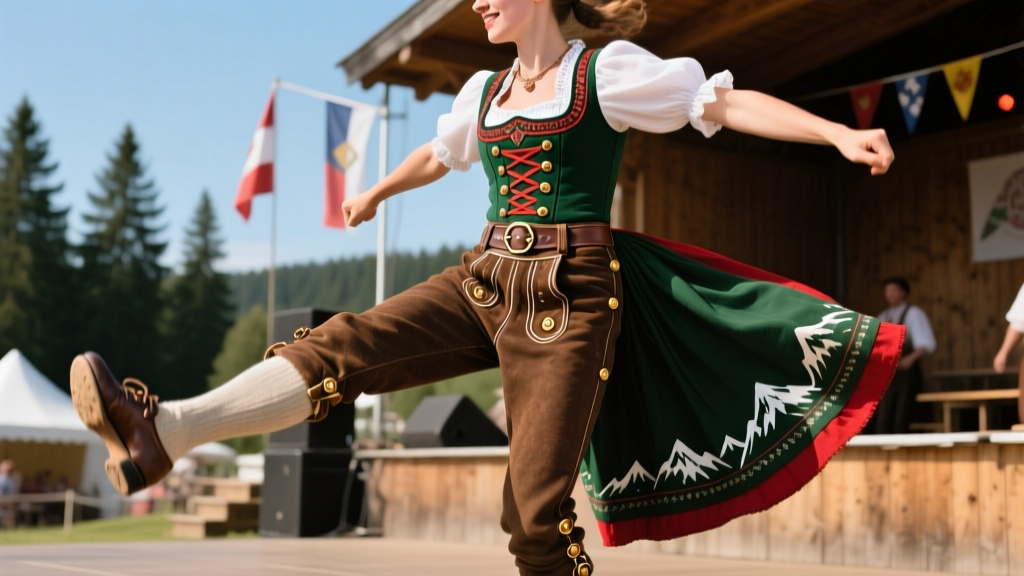
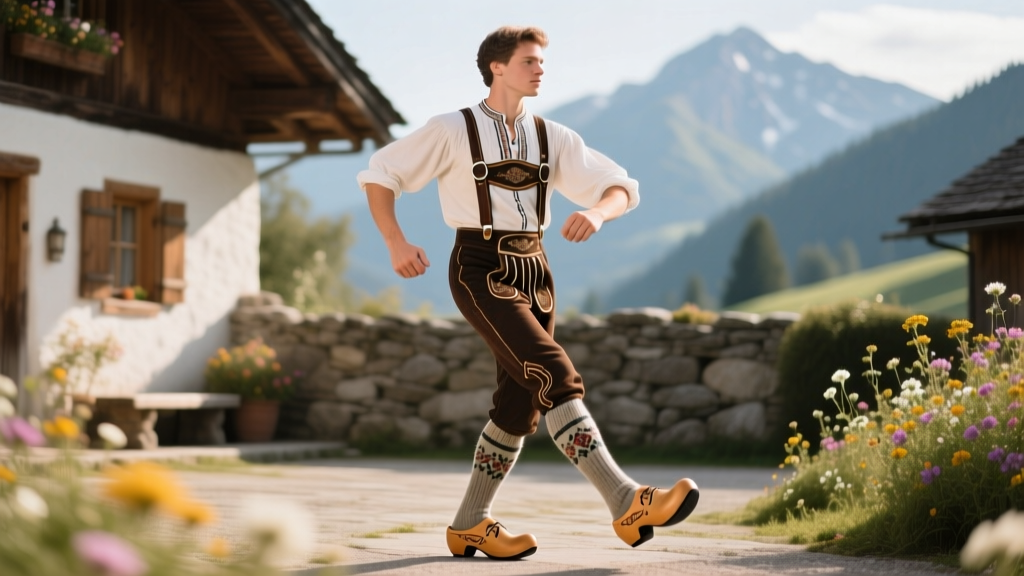
Traditional lederhosen feature a high waist, sitting at or just above the navel, and end just below the knee. They are secured with a distinctive front drop flap (Latz) fastened by two horn or antler buttons. The knees are often finished with a buckled band or a simple tie, allowing for mobility during mountain hikes or traditional dances like the Schuhplattler.
How to Wear Lederhosen: Traditional vs. Modern Styling
The way you style your lederhosen dictates whether you are participating in Tracht or Trachtenmode. Below is a comparative framework to help you navigate your styling choices.
| Garment Element | Traditional Tracht (Heritage) | Modern Trachtenmode (Fashion) |
|---|---|---|
| Leather Quality | Oil-tanned Hirschleder (deerskin) or Rehleder (roebuck) | Chrome-tanned cowhide, suede, or faux leather |
| Embroidery (Stickerei) | Hand-stitched Plattstickerei with regional motifs | Machine-embroidered, generic edelweiss or stag patterns |
| Shirts | Linen Pfoad or heavy cotton Karo (checkered) | Denim, plain t-shirts, or slim-fit modern button-downs |
| Suspenders | Cross-back (Kreuzträger) with ornate cross-piece | H-style or Y-style, often detachable or omitted |
| Footwear | Haferlschuhe or Loferer with wool calf-warmers | Hiking boots, modern loafers, or clean sneakers |
Shirts and Suspenders (Hosenträger)
In traditional styling, the shirt is paramount. The most authentic choice is the Pfoad, a collarless linen shirt with horn buttons, often featuring subtle pintuck detailing. For a more rugged, everyday alpine look, a heavy cotton Karo (checkered) shirt in red, blue, or green is standard. Modern styling often introduces denim shirts or fine merino wool polos, which, while not historically accurate, are widely accepted in contemporary Munich and Salzburg social scenes.
Suspenders (Hosenträger) are mandatory for traditional cuts due to the high waist. The Kreuzträger (cross-back suspender) features a decorated leather cross-piece at the back, often embossed with the wearer's initials or regional flora. Modern slim-fit lederhosen often sit lower on the hips, leading many to discard suspenders entirely—a choice that traditionalists strongly discourage, as the suspenders are integral to the garment's structural drape.
Footwear: Haferlschuhe vs. Contemporary Soles
The correct footwear anchors the outfit. The Haferlschuh is a traditional alpine shoe characterized by its side-lacing system and sturdy, nailed sole, originally designed for gripping rocky terrain. Alternatively, the Loferer is a slip-on variant with a distinctive stepped heel. Both are worn with thick, ribbed wool socks (Wadenwärmer) that stop just below the knee. While modern fashion frequently pairs lederhosen with rugged hiking boots or even minimalist sneakers, doing so immediately categorizes the outfit as casual Trachtenmode rather than formal Tracht.
Decoding Regional Embroidery (Stickerei)
The embroidery on lederhosen is not merely decorative; it is a geographic identifier. The Trachtenkulturzentrum Bezirk Oberbayern documents how specific stitching patterns denote a wearer's home valley or district.
- Miesbacher Tracht: Features dark brown deerskin with intricate, raised green silk embroidery. Motifs often include oak leaves, acorns, and edelweiss, framed by a distinctive 'well' stitch (Brunnenstich).
- Werdenfelser Tracht: Originating around Garmisch-Partenkirchen, this style utilizes lighter, greyish-brown leather. The embroidery is typically flatter and features delicate floral vines and alpine roses in lighter green and yellow threads.
- Allgäuer Tracht: Hailing from the Swabian-Allgäu region, these breeches often feature a slightly different cut and incorporate darker green or black embroidery, sometimes accented with subtle silver thread for festive occasions.
Cultural Etiquette and Wearing Protocols
Wearing lederhosen carries cultural weight. It is not a costume to be donned for comedic effect, but a respected regional garment. The Bayerischer Trachtenverband (Bavarian Tracht Association) actively works to preserve these traditions, emphasizing that true Tracht is worn with pride and adherence to local customs.
'Tracht is not a disguise for a single night of revelry; it is the sartorial expression of our alpine history, our connection to the land, and our community identity. To wear it properly is to honor the artisans who keep these centuries-old techniques alive.'
— Archival Guidelines on Alpine Dress, Trachtenkulturzentrum Traunstein
Rules of Engagement
- The Hat and the Gamsbart: A traditional felt hat (Trachtenhut) is adorned with a Gamsbart (a brush made from the hair of a chamois buck). The size and quality of the Gamsbart denote the wearer's status and hunting prowess. Never wear the hat indoors during formal meals or church services.
- The Charivari: This traditional chain, worn across the front drop of the lederhosen, originally held hunting trophies (animal teeth, claws, coins). Today, it is worn as a statement piece. Ensure it is crafted from silver or pewter; cheap plastic replicas are considered highly disrespectful to the tradition.
- Outerwear: In cooler weather, pair your lederhosen with a Joppe (a traditional loden wool jacket) or a tailored loden vest (Trachtenweste). Avoid modern synthetic puffer jackets if you are aiming for a traditional aesthetic.
The Buyer’s Matrix: Sourcing Authentic Tracht
Investing in lederhosen requires an understanding of the market tiers. Mass-produced garments flood the market in late summer, but true heritage pieces are an investment in artisanal craftsmanship.
| Quality Tier | Price Range (EUR) | Material & Construction | Best Suited For |
|---|---|---|---|
| Festzelt (Mass Market) | €120 - €250 | Split cowhide, machine embroidery, glued seams. | One-off tourists, casual Oktoberfest attendees. |
| Trachtenmode (Retail) | €350 - €750 | Goatskin or suede, machine-assisted hand-finishing, horn buttons. | Enthusiasts, regular festival-goers, alpine weddings. |
| Maßschneiderei (Bespoke) | €1,200 - €3,500+ | Sämisch-tanned Hirschleder, 100% hand-stitched Plattstickerei, custom fit. | Heritage collectors, Trachtenverein members, formal cultural events. |
When purchasing, seek out established artisans in Munich, Salzburg, or Tyrol. Look for the Echt Sämisch label, which guarantees the traditional oil-tanning process. Remember that authentic deerskin lederhosen will mold to your body over time, darkening with wear and developing a unique patina that tells the story of your alpine adventures.
Ultimately, understanding how to wear lederhosen is about more than just fastening a suspender or tying a shoe. It is an exercise in cultural appreciation, requiring a mindful approach to the materials, the regional codes, and the living history of the Alpine communities that created them.