Lederhosen T-Shirt 2026: Modern vs Traditional

The Intersection of Alpine Heritage and Contemporary Fashion
The world of Alpine Tracht (traditional dress) is governed by centuries of unwritten rules, regional pride, and meticulous craftsmanship. Yet, as global festivals, contemporary streetwear, and alpine weddings intersect with Bavarian heritage, a new sartorial debate has emerged. At the center of this cultural crossroads is the search for the 'lederhosen t shirt'—a term that encapsulates both a mass-produced tourist novelty and a genuine modern styling choice. In 2026, understanding the distinction between disrespectful kitsch and respectful contemporary adaptation is essential for anyone looking to wear Alpine leather breeches with authenticity and dignity.
The Historical Baseline: Workwear to Cultural Icon
To understand modern styling, one must first respect the origins of the garment. Lederhosen (literally 'leather trousers') originated in the 18th century as durable workwear for peasants, hunters, and foresters in the Alpine regions of Bavaria, Tyrol, and Salzburg. According to the Bayerisches Nationalmuseum, these garments were prized for their resilience against harsh mountain elements, thorny underbrush, and the wear of physical labor. The traditional pairing was never a modern cotton t-shirt, but rather a rustic linen undergarment, which eventually evolved into the formalized Trachtenhemd (Tracht shirt) of the 19th and 20th centuries as the garment transitioned from workwear to a symbol of regional identity.
Deconstructing the 'Lederhosen T Shirt' Search Intent
When contemporary consumers and festival-goers search for a 'lederhosen t shirt', they are generally looking for one of two vastly different concepts. Separating these two intents is the first step toward culturally respectful styling.
The Novelty Graphic Tee: A Cultural Faux Pas
The most common commercial result for this search term is the novelty graphic t-shirt—often featuring cartoonish illustrations of suspenders, faux-leather prints, or exaggerated Alpine motifs. Within the context of authentic Trachtenpflege (the preservation of traditional dress), these garments are widely rejected. They reduce a deeply significant regional heritage to a disposable party costume. Wearing a graphic novelty tee to a traditional Bavarian wedding, a church service, or even a serious Trachtenverein (traditional costume club) gathering is considered highly disrespectful and immediately marks the wearer as an uninformed tourist.
The Modern Minimalist: Pairing Authentic Leather with Contemporary Tees
The second interpretation of the 'lederhosen t shirt' concept is the modern styling choice of pairing authentic, high-quality leather breeches with a premium, solid-colored t-shirt. As contemporary fashion embraces heritage workwear, many younger Bavarians and international enthusiasts are experimenting with this juxtaposition. When executed correctly, this look bridges the gap between historical appreciation and modern minimalist aesthetics, provided the t-shirt meets strict criteria regarding fabric, fit, and color.
The Traditional Standard: Anatomy of the Trachtenhemd
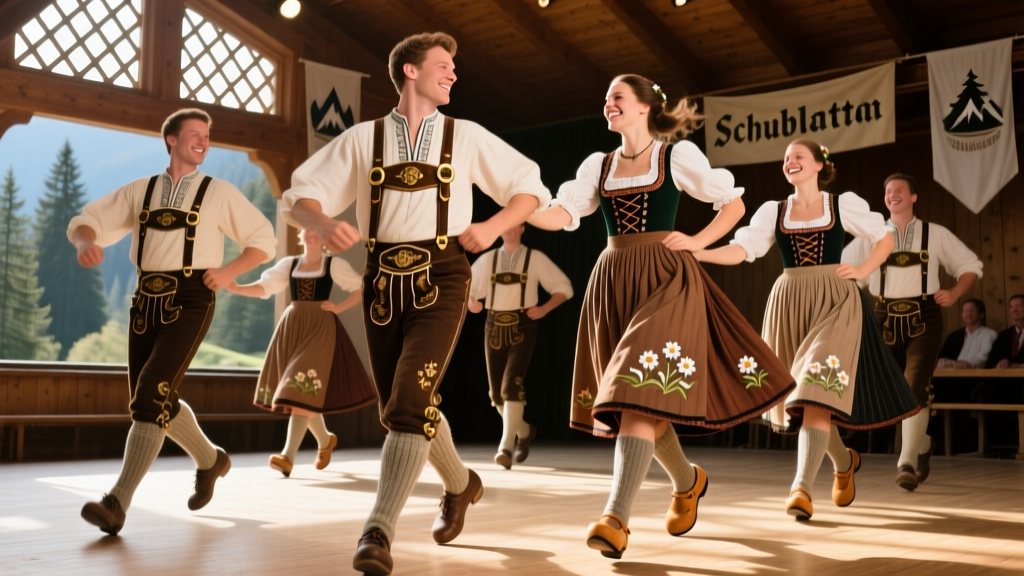
Before adopting modern styling, one must understand the traditional baseline. The authentic Trachtenhemd is a tailored shirt, typically made from a linen-cotton blend or pure linen, designed to breathe during active alpine pursuits and crowded festival tents.
- Patterns: The most iconic pattern is the Karo (checkered), usually in subtle blue-white or red-white combinations. Plain white or cream linen is reserved for more formal occasions.
- Details: Authentic shirts feature genuine horn or antler buttons, a structured collar, and often subtle embroidery along the button placket.
- Accessories: The traditional shirt is paired with Hosenträger (leather suspenders) featuring a crosspiece, and often a Charivari (a silver chain adorned with hunting trophies like deer teeth or boar bristles) draped across the Latzen (the drop-front flap of the lederhosen).
The Bayerischer Trachtenverband (Bavarian Tracht Association) emphasizes that the Trachtenhemd should always be tucked in, maintaining a clean silhouette that honors the historical tailoring of the Alpine working class.
Modern Styling Framework: Rules for the T-Shirt Pairing
If you choose to bypass the Trachtenhemd in favor of a modern t-shirt, you must adhere to a strict styling framework to maintain respect for the garment. The goal is 'quiet luxury' and heritage workwear aesthetics, not costume play.
- Absolute Zero Graphics: The t-shirt must be completely devoid of logos, slogans, or prints. The focus must remain entirely on the intricate hand-embroidery (Stickerei) and tooling of the leather breeches.
- Fabric Weight and Texture: Flimsy, thin cotton tees will look cheap and clash with the heavy, rugged nature of the leather. Opt for heavyweight cotton (220 GSM or higher), merino wool, or a textured linen-blend tee. These fabrics visually match the 'weight' and historical purpose of the Lederhosen.
- Color Palette: Stick to earthy, alpine tones. Charcoal, olive green, navy, deep burgundy, and unbleached cream are excellent choices. Avoid neon colors or stark, bright whites, which can look too much like modern athletic wear.
- The Untucked Debate: While traditional shirts are always tucked, a high-quality, hemmed heavyweight t-shirt can be worn untucked with modern, shorter-cut Lederhosen (known as Plattlerhosen or shorter festival cuts), provided the hem falls cleanly just below the waistband of the breeches.
Comparative Analysis: Traditional vs. Modern vs. Novelty
To help you navigate your styling choices for 2026, refer to the matrix below:
| Styling Category | Garment Type | Cultural Acceptance | Typical Price Range | Best Use Case |
|---|---|---|---|---|
| Traditional | Trachtenhemd (Linen/Checkered) | Universal (Church, Weddings, Festivals) | €70 - €180 | Formal events, Trachtenverein gatherings, traditional weddings. |
| Modern Minimalist | Heavyweight Solid Tee (Cotton/Merino) | Moderate (Casual festivals, pubs, streetwear) | €40 - €120 | Oktoberfest casual days, modern alpine streetwear, casual dinners. |
| Novelty / Kitsch | Graphic 'Lederhosen' Print T-Shirt | Rejected (Considered disrespectful) | €15 - €30 | None recommended. Avoid if you wish to respect Alpine culture. |
Material Integrity: Hirschleder and the Art of the Seam
When styling Lederhosen with modern casual wear, the quality of the leather becomes even more apparent. Authentic, high-end breeches are crafted from Hirschleder (deer leather) or Gamsleder (chamois leather). These leathers are traditionally tanned using brain-tanning or vegetable-tanning methods, resulting in a buttery soft, breathable, and incredibly durable material that molds to the wearer's body over time.
A key visual marker of authentic Lederhosen is the Tellernaht (plate seam) and the intricate floral or hunting motifs hand-embroidered using waxed linen thread. If you are wearing a modern t-shirt, the clean lines of the shirt will draw the eye directly to the Latzen (drop-front) and the side seams. Therefore, investing in genuine artisan-made leather is paramount. Mass-produced cowhide breeches, often treated with harsh chemicals and featuring machine-stamped, glued-on embroidery, will immediately undermine the sophisticated modern-streetwear aesthetic you are attempting to achieve.
Sourcing and Price Guide for 2026
Navigating the market requires an understanding of true value. Here is what you should expect to pay for authentic pieces that bridge traditional craftsmanship and modern wardrobes:
- Authentic Hirschleder Lederhosen: €450 to €900+. Look for makers in the Berchtesgadener Land or Miesbach regions. Artisans like Lederhosen Kogler or Trachten Angermaier offer bespoke and ready-to-wear options that guarantee regional authenticity.
- Premium Heavyweight T-Shirts: €45 to €120. Brands specializing in heritage workwear or high-end basics (such as Merz b. Schwanen or local Bavarian organic cotton brands) provide the necessary fabric weight and historical loopwheel construction that pairs beautifully with vintage or artisan leather.
- Traditional Haferlschuhe (Footwear): €150 to €300. Do not pair your modern or traditional setup with sneakers if you want to maintain respect for the outfit. The side-laced Haferlschuh or a high-quality leather alpine boot is mandatory to ground the outfit properly.
Cultural Etiquette and Occasion Matching
Ultimately, the decision to wear a t-shirt with Lederhosen depends entirely on the occasion. If you are attending a Hochzeit (wedding), acting as a groomsman, or participating in a religious procession, the modern t-shirt is entirely inappropriate. The Trachtenhemd, paired with a Trachtenjacke (traditional wool jacket) and a Gamsbart hat, is the only respectful choice.
However, for a casual day at the Wiesn (Oktoberfest), a relaxed evening at an alpine beer garden, or a contemporary fashion editorial, the modern pairing of a heavyweight, earth-toned t-shirt with artisan-crafted Hirschleder breeches is a brilliant way to keep the tradition alive. It proves that Tracht is not merely a static museum relic, but a living, breathing garment that can adapt to the 21st century—provided the adaptation is rooted in deep respect, material integrity, and a profound understanding of Alpine history.