What Shirt to Wear With Lederhosen: Regional Guide

The Anatomy of the Trachtenhemd: Beyond the Checkered Cliché
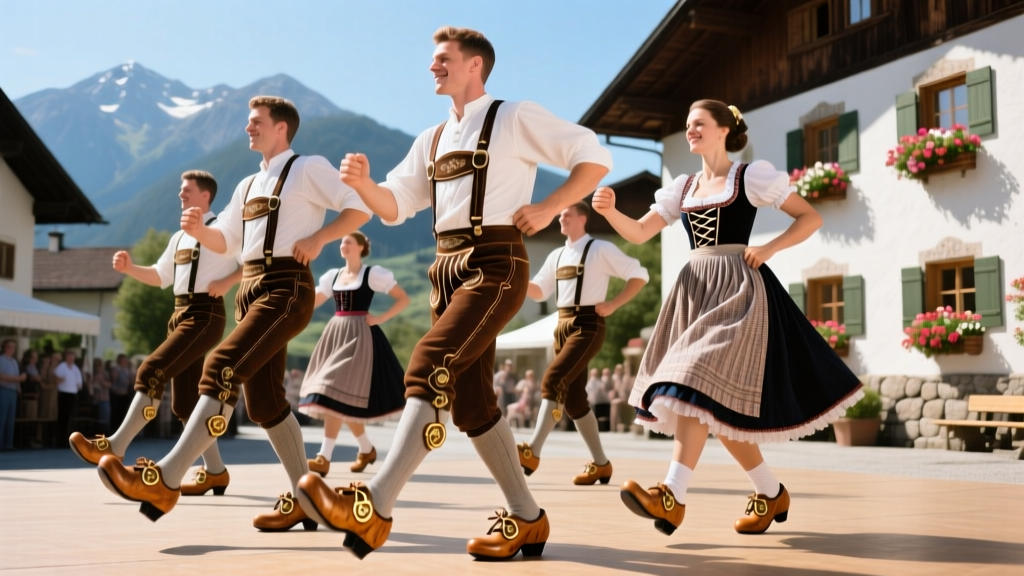
When deciding what shirt to wear with lederhosen, enthusiasts and first-time buyers often default to the mass-produced, brightly colored checkered shirts sold in tourist shops. However, authentic Alpine Tracht (traditional costume) is a highly nuanced sartorial language rooted in 19th-century rural workwear and regional identity. The traditional shirt, known as the Trachtenhemd, is defined by its specific construction, collar style, and natural materials.
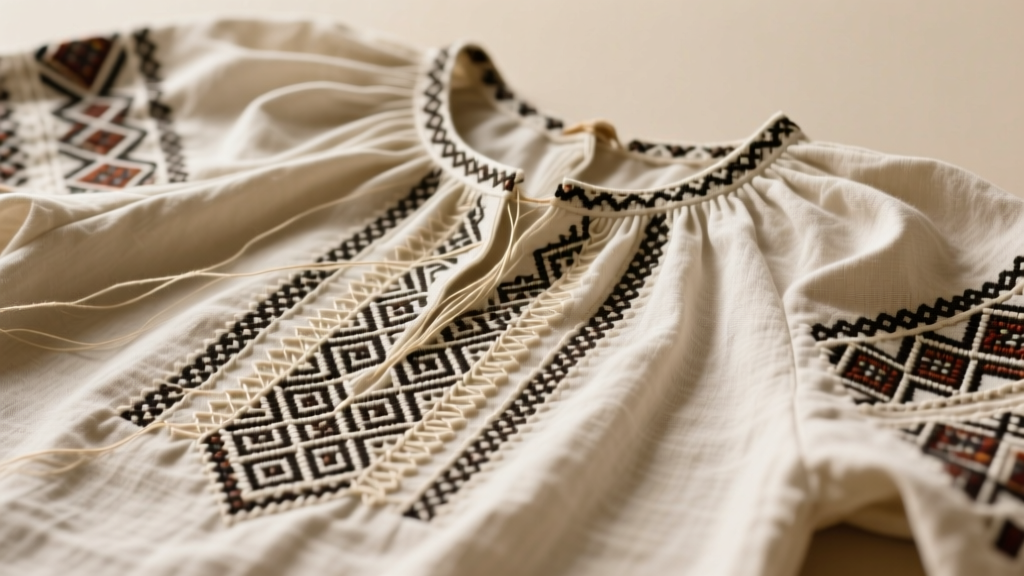
Historically, the cut of the shirt was designed for physical labor in the mountains, featuring gussets under the arms and a longer back hem to prevent it from untucking when bending or lifting. Today, the most critical distinguishing feature of an authentic Trachtenhemd is the collar. The Stehkragen (stand or mandarin collar) is the most traditional choice, often fastened with genuine Hirschhornknöpfe (stag horn buttons) or carved wooden toggles. Conversely, the Umlegekragen (fold-down collar) is slightly more modern and frequently paired with checkered patterns or worn with a vest (Gilet).
According to textile archives at the Bayerisches Nationalmuseum, the transition of the Trachtenhemd from unbleached, rough-spun linen workwear to the refined, embroidered festival garments seen today occurred largely during the late 19th-century Trachtenbewegung (traditional costume movement), which sought to preserve rural heritage against rapid industrialization.
Regional Dialects of Dress: Matching Shirts to Your Lederhosen Origin
Europe’s Alpine regions are not a monolith, and the shirt you choose should ideally harmonize with the regional origin of your lederhosen. Wearing a Tyrolean checkered shirt with a heavily embroidered Bavarian Bundlederhosen can create a sartorial dissonance that locals immediately recognize.
Altbayern (Old Bavaria)
In the heartland of Bavaria, elegance and subtlety reign. The preferred shirt is a pristine white or unbleached cream Reinleinen (pure linen) shirt with a Stehkragen. Embroidery is minimal but highly specific: subtle blue, green, or black floral motifs (Schmucknähte) along the button placket and collar. This understated shirt allows the intricate deer-antler embroidery (Stickerei) on the lederhosen itself to take center stage.
Tirol and the Austrian Alps
Moving south into Tyrol, the aesthetic becomes bolder and more utilitarian. The Karohemd (checkered shirt) is deeply rooted in Tyrolean forestry and agricultural traditions. Authentic Tyrolean checks are not the neon colors of Oktoberfest beer tents; they are muted, earthy combinations like forest green and white, deep burgundy and cream, or slate blue and grey. These shirts typically feature a fold-down collar and are almost always worn with a matching or complementary loden wool vest.
Salzburg and the Lake District
Salzburg’s Tracht is heavily influenced by its history as a wealthy archbishopric and a hub for classical arts. Shirts here often incorporate pastel tones—soft pinks, powder blues, and pale yellows—woven in fine cotton or lightweight linen blends. The Halstuch (silk neck scarf) is an essential accessory in this region, tied in a precise nautical knot and tucked neatly into the shirt placket.
Franconia (Franken)
In northern Bavaria’s Franconia region, the traditional dress takes on a darker, more austere tone. For evening events or formal church gatherings, it is entirely appropriate to wear a deep black, navy, or charcoal grey linen shirt with silver or pewter buttons, reflecting the region's historic Protestant modesty and cooler climate.
Fabric, Weave, and Authenticity: A Buyer’s Comparison Matrix
The material of your shirt dictates not only its visual authenticity but also its comfort during long days at a Volksfest or Alpine hike. Below is a comparative guide to help you invest in the correct fabric.
| Material (German Term) | Weave & Texture | Price Range (EUR) | Best Regional Match |
|---|---|---|---|
| Reinleinen (Pure Linen) | Slubbed, highly breathable, softens over time | €120 - €280 | Altbayern, Salzburg |
| Baumwolle (Cotton) | Smooth, easy to dye, holds crisp checks | €40 - €95 | Tyrol, Everyday Fest |
| Leinen-Baumwoll-Mix | Soft drape with linen's rustic texture | €70 - €140 | Modern Alpine Fusion |
| Flanell (Flannel) | Brushed, warm, heavy weight | €60 - €110 | Franconia, Winter Tracht |
When shopping, always check the interior care labels. Mass-market costume shops frequently sell 100% polyester blends that trap heat and shine unnaturally under festival lights. Authentic artisan cooperatives and specialized Trachten tailors will exclusively use natural fibers. The preservation of these traditional weaving techniques is heavily documented by institutions like the Tiroler Landesmuseen, which maintain extensive archives of regional Alpine textile patterns and natural dyeing methods.
Neckwear and Accoutrements: Tying the Look Together
The shirt is only the canvas; the neckwear provides the regional signature. Understanding what to wear around your neck is just as important as the shirt itself.
- Das Seidentuch (Silk Scarf): A hallmark of Bavarian and Salzburg Festtagstracht (festival wear). Typically featuring hand-rolled edges and intricate jacquard patterns, the silk scarf is folded into a triangle, rolled, and tied in a square knot at the base of the throat. It should never hang loose like a western bandana.
- Der Trachten-Schlips (Tracht Tie): A narrow, often woolen or silk tie, sometimes featuring a subtle edelweiss or acorn motif. Popular in urban Tracht and formal wedding attire.
- Das Lederband (Leather Band): A simple, braided leather cord, sometimes adorned with a silver or horn clasp. This is a more rugged option, perfectly suited for Tyrolean checkered shirts and outdoor hunting or forestry gatherings.
- Open Collar: For casual, everyday wear (Alltagstracht), particularly in the summer, leaving the top two horn buttons of a linen stand-collar shirt undone is perfectly acceptable and culturally accurate.
'True Tracht is not a costume you put on; it is a regional identity you wear. The shirt must breathe, age, and reflect the landscape from which it originates.' — Archival notes from the Deutsche Trachtenverband regional preservation societies.
Modern Etiquette: What to Avoid When Styling Tracht
As Alpine festivals like Oktoberfest, Maibaumaufstellen (Maypole dancing), and Almabtrieb (Alpine cattle drives) draw global attention, the line between respectful cultural participation and caricature has blurred. To honor the living tradition of European folk dress, avoid the following common pitfalls:
1. The 'Tourist Karo' Trap: Avoid shirts with oversized, neon, or artificially distressed checkered patterns. Authentic Karohemd patterns are tightly woven, colorfast, and historically tied to specific valleys and guilds.
2. Mismatched Formality: Do not pair a highly formal, hand-embroidered white linen shirt with a cheap, mass-produced suede-look party lederhosen. The shirt and the breeches must match in quality and formality. If you are investing in a €200 hand-stitched shirt, your lederhosen should be genuine deer or goat leather (Hirschleder or Ziegenleder).
3. Improper Tucking: The Trachtenhemd is designed with a specific drop-tail hem. It must be tucked securely into the waistband of the lederhosen, held in place by the suspenders (Hosenträger). Allowing the shirt to billow out over the waistband is considered sloppy and disrespectful to the garment's tailored construction.
Ultimately, deciding what shirt to wear with lederhosen is an exercise in cultural appreciation. By selecting natural fabrics, respecting regional collar styles, and investing in authentic craftsmanship, you transition from wearing a mere costume to participating in a centuries-old Alpine heritage.