Lederhosen: Denim vs Traditional Leather Compared
The Alpine Divide: Authentic Tracht vs. Contemporary Denim
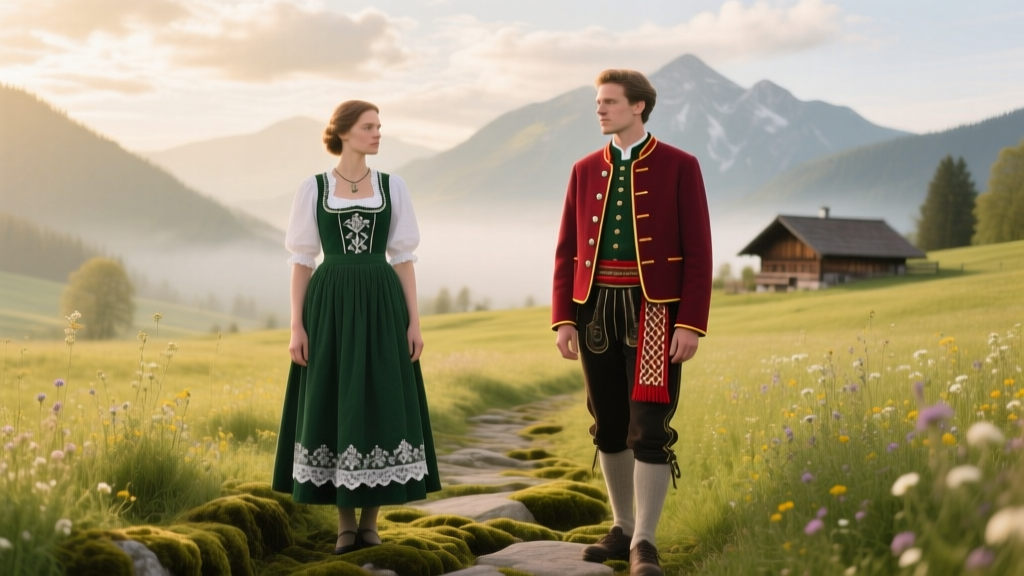
In the world of European folk dress, few garments command as much respect, recognition, and misunderstanding as the Lederhosen. Originating as durable workwear for Alpine hunters, foresters, and peasants in the 18th century, these leather breeches evolved into a potent symbol of Bavarian, Tyrolean, and broader Alpine cultural identity. Today, however, the global commercialization of Oktoberfest has spawned a controversial hybrid: lederhosen denim. This modern iteration substitutes traditional, brain-tanned animal hides with indigo cotton twill, creating a deep cultural and sartorial divide.
To understand this divide, one must look beyond the surface aesthetics and examine the garment's anatomy, regional variations, and the strict protocols of Trachtenvereine (traditional costume preservation clubs). While denim offers an accessible, low-maintenance entry point into Alpine fashion, it fundamentally alters the historical silhouette, functional mechanics, and cultural weight of the garment.
Material Anatomy: Sämischgare Leather vs. Indigo Twill
The soul of an authentic Lederhose lies in its leather and the specific tanning process used to treat it. Traditional breeches are crafted using Sämischgare, an ancient oil-tanning method utilizing fish oils (often cod liver oil) and animal fats. This process creates a leather that is remarkably supple, breathable, and uniquely capable of being washed with water and mild soap without losing its structural integrity.
The Traditional Standard: Hirsch and Reh
Purists and members of the Bayerischer Trachtenverband insist on specific hides. Hirschleder (deer leather) is the gold standard, prized for its durability and rich patina. Rehleder (roe deer) is softer and lighter, while Ziegenleder (goat) is often used for more affordable, yet still authentic, pairs. Over years of wear, authentic leather absorbs the oils of the wearer and the environment, developing a dark, glossy sheen known affectionately as Speckpatina. This patina is considered a badge of honor, telling the story of the wearer's life.
The Denim Intrusion: Weight, Weave, and Wash
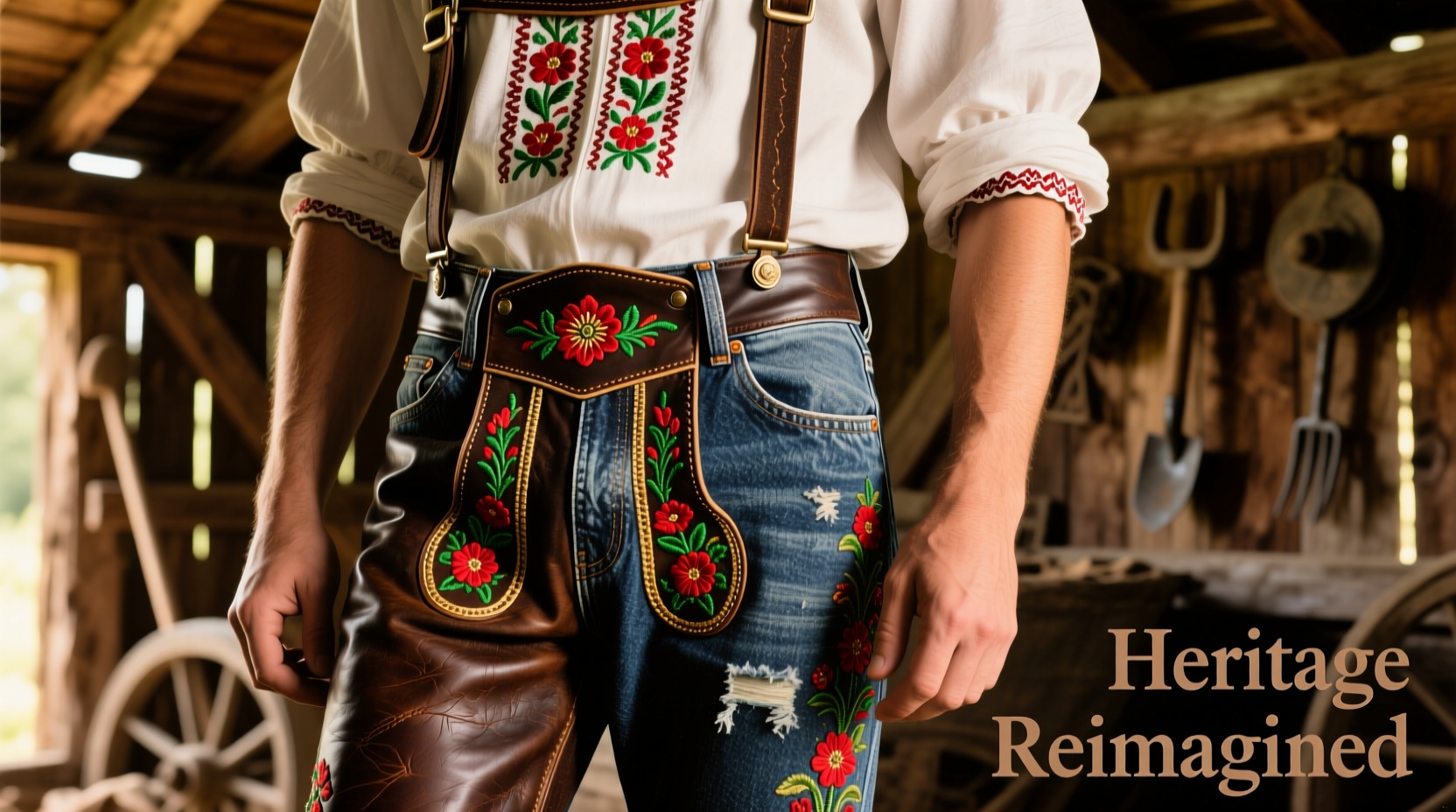
Lederhosen denim, by contrast, relies on cotton twill, typically ranging from 10oz to 14oz. While heavy raw denim offers some structural rigidity, it lacks the bi-directional stretch, temperature regulation, and wind-resistant properties of oil-tanned leather. Furthermore, denim cannot develop a Speckpatina; it simply fades, frays, and degrades. When manufacturers attempt to mimic the look of traditional embroidery on denim, they often resort to screen printing or low-grade machine stitching, which lacks the three-dimensional depth of authentic Hornstickerei (horn embroidery done with silk or linen thread).
Construction and the Sacred Hosentürl
The most glaring difference between authentic leather breeches and their denim counterparts lies in the front closure. Traditional Lederhosen feature a Hosentürl (literally "trouser door"), a drop-front flap secured by two or three horn or antler buttons. This design predates the modern zipper and was originally intended to provide an extra layer of insulation and protection for hunters and horseback riders.
Most mass-market lederhosen denim garments abandon the Hosentürl entirely in favor of a standard five-pocket jean layout with a zipper or button fly. This immediately disqualifies the garment from being considered true Tracht. Even when denim variants attempt to replicate the drop-front visually, they often use snap buttons or faux-flaps stitched directly over a standard zipper, a compromise that traditionalists view as culturally hollow.
Regional Silhouettes and the Denim Translation
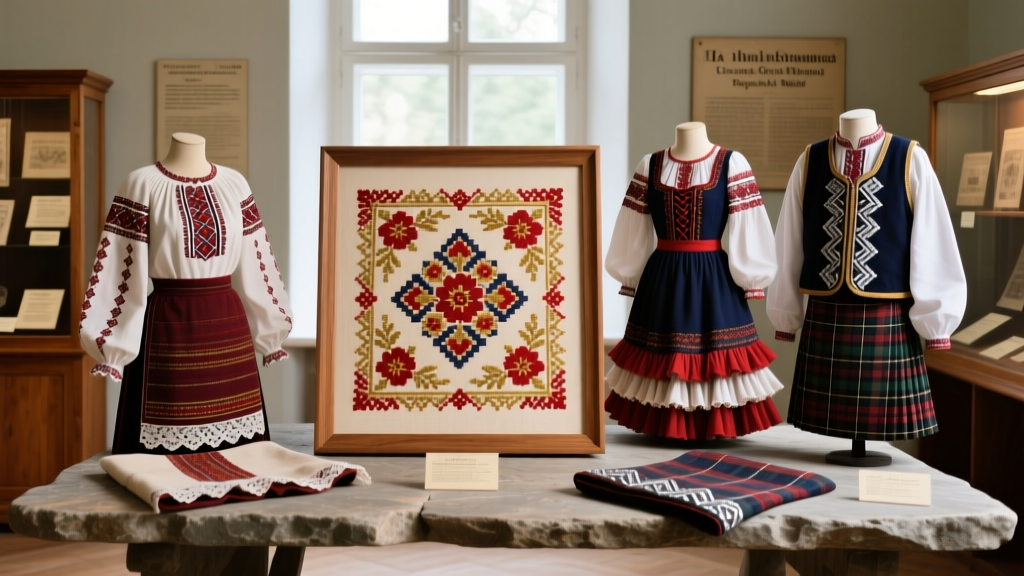
Alpine folk dress is highly regionalized, with specific cuts, lengths, and embroidery motifs denoting a wearer's exact valley or village of origin. Translating these distinct silhouettes into denim often results in a loss of cultural nuance.
- Miesbacher Tracht (Bavaria): Characterized by short, above-the-knee breeches (kurze Lederhose) with intricate floral embroidery. Denim versions often fail to hold the stiff, flared shape required at the thigh, collapsing into a standard short-silhouette.
- Tiroler Tracht (Austrian Tyrol): Often features the Kniebundhose, a longer style that ties tightly just below the knee with leather laces. Denim lacks the necessary malleability to bunch and tie correctly below the knee without causing severe discomfort or restricting blood flow.
- Werdenfelser Tracht: Known for its distinct green-grey hues and specific oak leaf embroidery. Denim's inherent blue indigo palette clashes fundamentally with the traditional color theory of the Werdenfels region.
The Functional Test: Schuhplattler Dancing
To truly understand the inadequacy of lederhosen denim, one must observe the Schuhplattler, the traditional Alpine folk dance where men rhythmically slap their thighs, knees, and shoes. Authentic Sämischgare leather is thick enough to protect the thighs from bruising during vigorous slapping, yet supple enough to allow the deep squats and high kicks required by the dance. The leather also produces a sharp, resonant crack when struck. Denim, however, absorbs the impact, muffling the sound, and the rigid cotton seams can cause severe chafing and abrasion during repetitive choreography.
Comparative Analysis: Construction, Cost, and Cultural Weight
The following table outlines the stark differences between authentic Alpine leather breeches and contemporary denim adaptations, highlighting the trade-offs between heritage and convenience.
| Feature | Authentic Lederhosen (Hirschleder) | Modern Lederhosen Denim |
|---|---|---|
| Material | Oil-tanned Deer or Roe Deer Hide | 10oz - 14oz Cotton Denim Twill |
| Front Closure | Functional Hosentürl (Drop-front) | Standard Zipper/Button Fly (Faux flap) |
| Embroidery | Hand-stitched Hornstickerei (Silk/Linen) | Machine-stitched or Screen-printed |
| Suspenders (Hosenträger) | Leather with carved horn crossbar (Quersteg) | Cotton webbing or denim strips |
| Patina Development | High (Develops Speckpatina over decades) | None (Fades and frays like standard jeans) |
| Price Range (EUR) | €800 - €1,800+ | €45 - €150 |
| Cultural Acceptance | Mandatory for Trachtenvereine & formal events | Rejected by purists; accepted at casual beer tents |
Wearing Etiquette: When is Denim Acceptable?
Navigating the etiquette of Alpine dress requires an understanding of context. The Bayerisches Nationalmuseum in Munich extensively documents the evolution of Tracht from peasant workwear to a codified system of regional identity. According to cultural preservationists, there is a strict line between Vereinstracht (club-regulated traditional dress) and Mode-Tracht (fashion interpretations).
If you are attending a formal Alpine event, a traditional wedding, a religious procession (such as the Leonhardifahrt), or participating in a Trachtenverein, lederhosen denim is strictly prohibited. Wearing denim in these contexts is viewed as deeply disrespectful to the artisans and the heritage being celebrated. However, for casual tourists attending the commercial beer tents at the Munich Oktoberfest, or for themed parties abroad, denim variants are widely tolerated as harmless, albeit inauthentic, festive wear.
Sourcing and Price Guide
For those seeking authentic garments, bypassing the denim trap requires knowing where to look. True Lederhosen are not bought off the rack; they are often made-to-measure by specialized Säckler (leatherworkers) in towns like Miesbach, Garmisch-Partenkirchen, or Innsbruck. Expect to pay a minimum of €800 for a basic pair of goat leather breeches, with premium deer leather and hand-embroidery pushing the price well past €1,500. The Tiroler Volkskunstmuseum frequently highlights the master artisans of the Tyrol region who keep these historic tanning and stitching techniques alive.
If budget constraints necessitate a cheaper alternative, buyers should seek out high-quality cotton or linen Stoffhosen (cloth trousers) cut in the traditional Lederhosen silhouette, complete with a functional Hosentürl. These fabric alternatives, while not leather, respect the historical construction and regional geometry of the garment far better than a pair of modified denim jeans.
References and Cultural Institutions
- Bayerisches Nationalmuseum (Bavarian National Museum) - Extensive archives on the history and regional codification of Alpine Tracht.
- Tiroler Volkskunstmuseum (Tyrolean Folk Art Museum) - Exhibitions detailing the material culture and leatherworking traditions of the Austrian Alps.
- Bayerischer Trachtenverband - The governing body for traditional costume clubs in Bavaria, providing guidelines on authentic materials and wearing protocols.