Hungarian Matyó Embroidery: Floral Art

Hungarian Matyó Embroidery: Floral Art
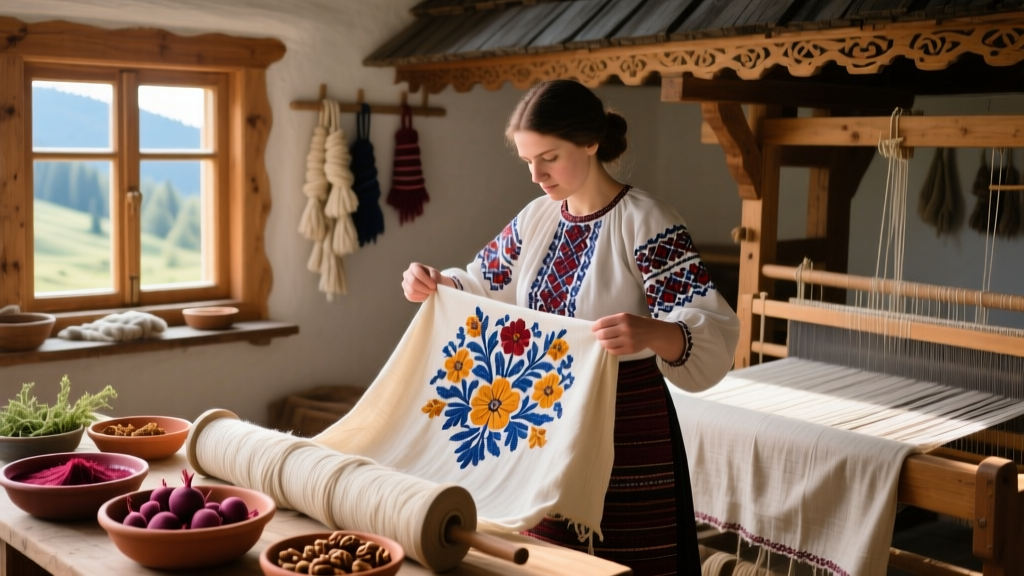
The Matyó embroidery tradition, originating from the town of Mezőkövesd in northeastern Hungary, is one of the most vibrant and recognizable folk art forms in Europe. Added to UNESCO's Intangible Cultural Heritage list in 2012, Matyó embroidery represents centuries of artistic expression by a distinct ethnographic group.
The Matyó People
The Matyó are a Roman Catholic ethnographic group living in and around Mezőkövesd. Their distinctive culture developed relative isolation, allowing unique artistic traditions to flourish. The name "Matyó" is believed to derive from King Matthias Corvinus, who granted the town special privileges in the 15th century.
Characteristic Motifs
Matyó embroidery is distinguished by its bold, oversized floral designs:
- Pünkösdi rózsa (Peony rose): The most iconic motif, rendered in vivid reds and pinks
- Tulipán (Tulip): Stylized tulips in yellow, orange, and red
- Bimbó (Bud): Closed flower buds symbolizing youth and potential
- Levél (Leaf): Elaborate leaf forms in green, connecting the floral elements
Color Symbolism
Traditional Matyó embroidery originally used only red and blue thread. Over time, the palette expanded to include up to 22 colors, with each hue carrying meaning: red for love and joy, black for sorrow, green for hope, and yellow for wealth. The most elaborate pieces feature densely packed motifs that completely cover the fabric surface.
Garments and Applications
Matyó embroidery adorns women's blouses, aprons, shawls, and the distinctive suba (shepherd's cloak). Men's shirts feature embroidery on the chest and cuffs. The tradition extends to household textiles including pillowcases, tablecloths, and wall hangings. Today, master embroiderers in Mezőkövesd continue to practice and teach the craft, ensuring its survival for future generations.