Hungarian Matyo Embroidery Art
Matyo: Hungary's Flower Garden in Thread
Matyo embroidery originates from Mezokovesd and surrounding villages in northeastern Hungary. Known for its exuberant floral patterns on dark backgrounds, it represents one of Europe's richest folk textile traditions.
Historical Development
Matyo embroidery evolved in the 19th century when imported aniline dyes became available, enabling the vivid colors that define the style. Before synthetic dyes, Matyo embroidery was primarily white-on-white.
Key Motifs
- Tulip — fertility and love, the most common motif
- Heart — devotion and family bonds
- Rose — beauty and femininity
- Pomegranate — abundance and many children
The Matyo Costume
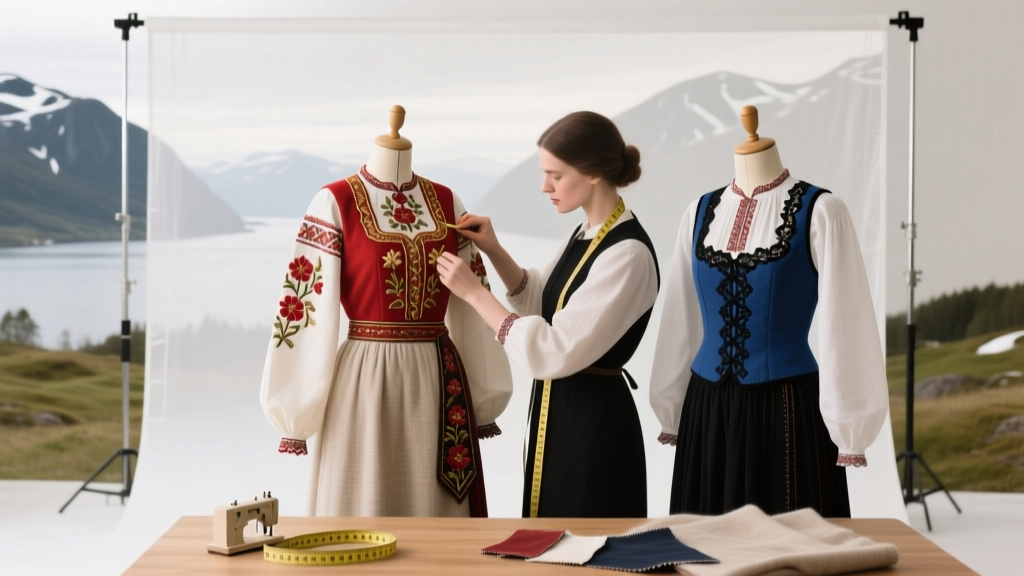
Women's Matyo costume includes a heavily embroidered blouse, multiple petticoats, an apron, and a bonnet. The number of petticoats indicated wealth — wealthy women wore 10-15 layers.
UNESCO Recognition
In 2012, Matyo folk art was inscribed on UNESCO's Representative List of the Intangible Cultural Heritage of Humanity, recognizing its continuing practice and transmission.