Traditional European Clothing: A Historical Guide
The Peasant Roots: From Medieval Tunics to Regional Identity
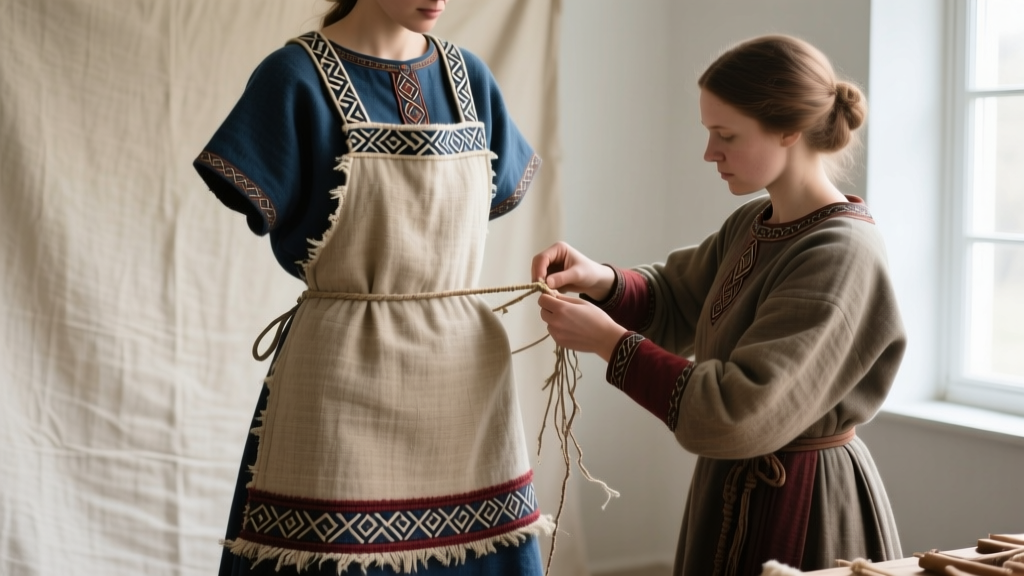
When we examine the traditional clothing of Europe, we are not looking at a monolithic fashion trend, but rather a complex tapestry of agrarian survival, localized trade, and deep-seated cultural identity. Before the 16th century, European peasant dress was largely utilitarian and broadly similar across the continent. The foundational layers consisted of unbleached linen chemises for women and braies (linen undergarments) for men, topped with woolen kirtles or tunics.
However, as the Middle Ages gave way to the early modern period, the isolation of rural communities began to forge distinct regional silhouettes. According to the textile archives at the Victoria and Albert Museum, the divergence in European folk dress was heavily dictated by local guild regulations, available natural dyes, and the specific micro-climates of rural valleys. What began as practical workwear for harvesting, herding, and weaving slowly evolved into a visual language that signaled a wearer’s exact village, marital status, and social standing.
Textile Geography: How Climate and Trade Shaped Folk Dress
The historical origins of European national costumes cannot be understood without studying textile geography. The fibers available to a community dictated the drape, weight, and longevity of their garments. Northern and alpine regions relied heavily on sheep husbandry, resulting in dense, fulled wools that could repel snow and sleet. Conversely, the fertile plains of Eastern and Southern Europe cultivated flax and hemp, leading to a tradition of intricate, lightweight linen garments suited for warmer summers and layered winters.
| Region | Primary Fiber | Signature Garment | Historical Dye Source |
|---|---|---|---|
| Scandinavia & Alps | Heavy Wool (Vadmel) | Bunad, Lederhosen | Woad (Blue), Birch Bark (Brown) |
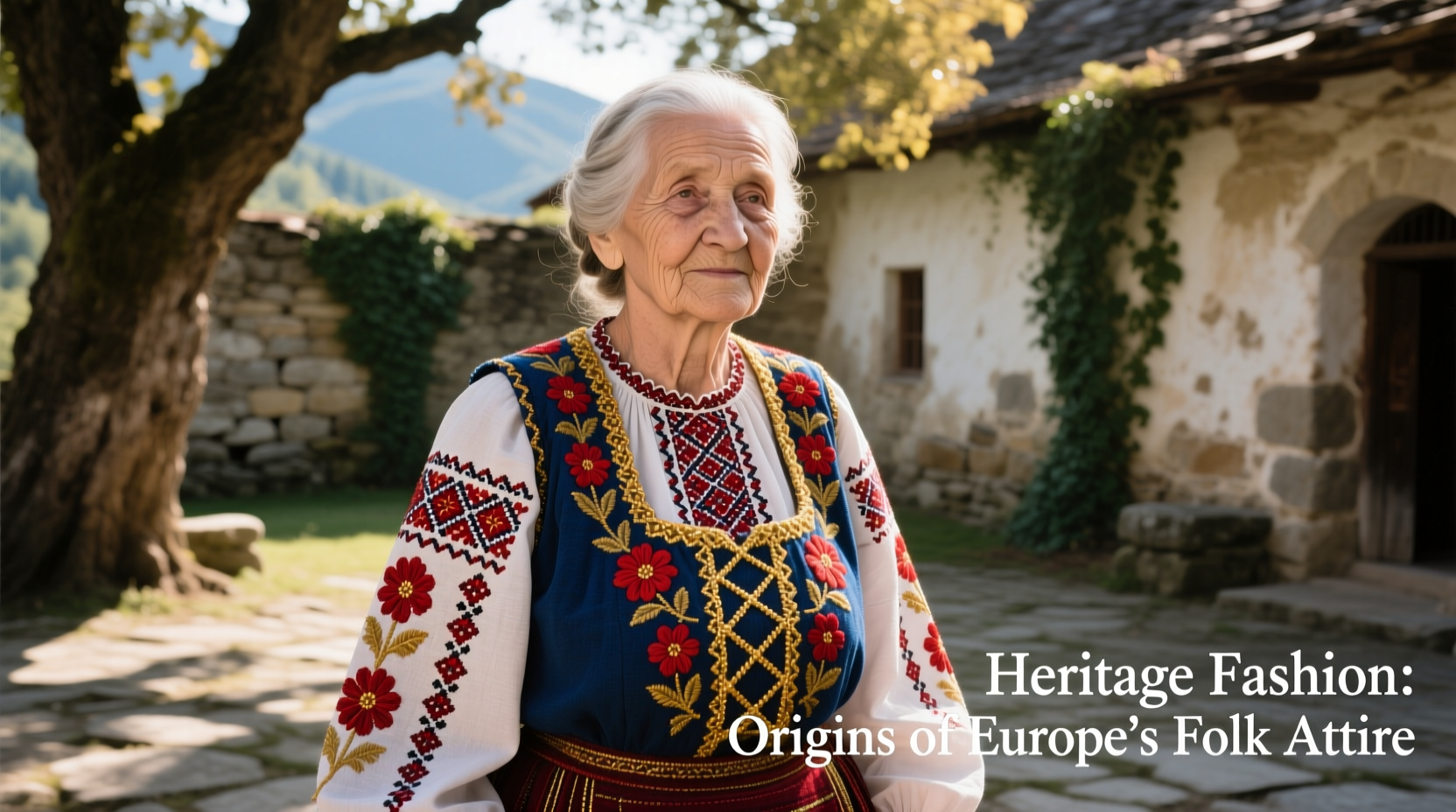
| Eastern Europe (Slavic) | Linen & Hemp | Vyshyvanka, Sarafan | Madder Root (Red), Weld (Yellow) |
| Scottish Highlands | Cheviot Wool | Fèileadh mòr (Great Kilt) | Heather, Crottle (Lichen) |
| Alpine Valleys (Bavaria) | Deer & Chamois Leather | Tracht, Dirndl | Indigo, Oak Gall (Black) |
Sumptuary Laws and the Codification of 'National' Costume
One of the most fascinating drivers behind the strict codification of the traditional clothing of Europe was the implementation of sumptuary laws. Between the 16th and 18th centuries, various European monarchies enacted laws dictating what different social classes could wear. Peasants were frequently forbidden from wearing silk, imported lace, or the vibrant colors reserved for the aristocracy.
Paradoxically, these restrictive laws forced rural artisans to innovate within their boundaries. Peasant women developed incredibly complex embroidery techniques using homespun linen and wool to create visual wealth without violating the law. By the time these laws were repealed, the regional 'uniforms' had become deeply ingrained as markers of local pride.
The 19th-century Romantic Nationalism movement later cemented these regional outfits into 'national costumes.' In Norway, cultural pioneer Hulda Garborg championed the revival of the Bunad, transforming localized historical farm dress into a unified symbol of Norwegian independence from Sweden. Similarly, in Bavaria, King Ludwig II and later the Romantic movement elevated the rustic Lederhosen and Dirndl from the wardrobes of alpine hunters to the celebrated Tracht worn by the nobility at festivals.
Anatomy and Construction of Core European Garments
To truly appreciate the historical origins of these garments, one must examine their construction. Authentic traditional clothing of Europe is defined by specific tailoring techniques that have been passed down through generations of artisans.
The Norwegian Bunad: Silver and Vadmel
The Norwegian Bunad is perhaps the most rigorously protected folk dress in Europe. Each of the over 400 regional variations is overseen by local Bunadnemnd (committees) that ensure historical accuracy. The core of the garment is often made from Vadmel, a dense, hand-woven, fulled wool. The construction requires precise tailoring to ensure the bodice sits flush against the ribs without modern boning. The defining feature, however, is the silverwork. A traditional Bunad is fastened with a Sølje (silver filigree brooch), which historically served not just as a fastener, but as a protective talisman and a portable form of family wealth. The Norsk Folkemuseum holds extensive archives of these silver pieces, noting that some regional belts and crowns contain over a kilogram of solid silver.
The Scottish Kilt: The 8-Yard Standard
While the modern kilt is globally recognized, its historical origin lies in the Fèileadh mòr (Great Kilt), a massive, untailored length of tartan wool that could be belted around the waist and draped over the shoulder as a cloak or blanket. According to National Museums Scotland, the modern tailored kilt emerged in the late 18th and early 19th centuries. A properly constructed contemporary traditional kilt uses 8 yards of worsted wool (typically 16oz or 13oz weight). The construction involves knife-pleating the tartan to the 'sett' (pattern) so that the design seamlessly wraps around the wearer, with the interior featuring deep, hidden folds that provide insulation and a distinctive swinging motion during the Highland Fling.
Bavarian Lederhosen: The Art of Säckler
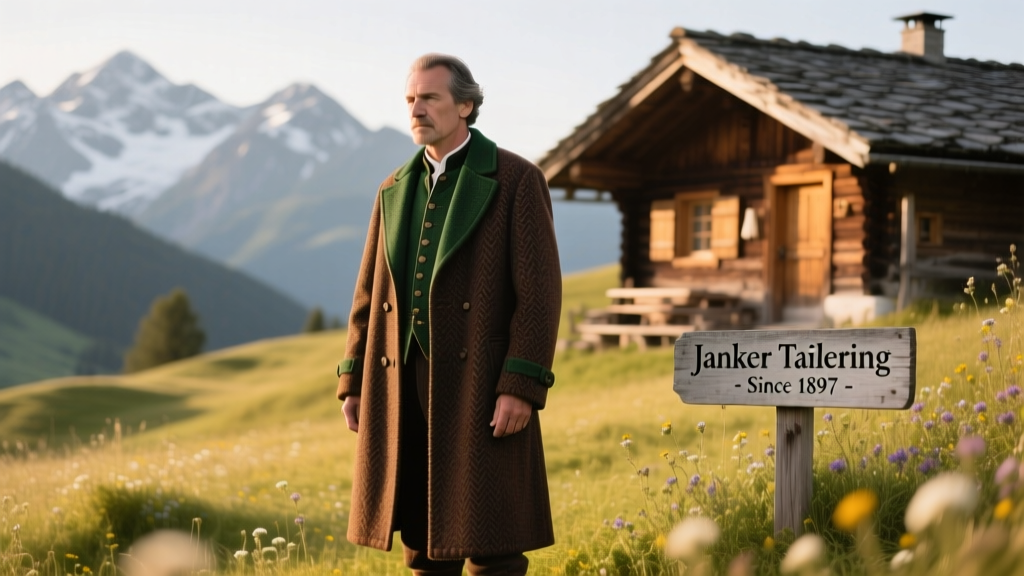
Authentic Bavarian Lederhosen are not the mass-produced costume shorts seen at modern tourist traps. True historical Tracht is crafted by a Säckler (master leatherworker) using Hirschleder (deer leather) or Gamsleder (chamois). The leather is brain-tanned or smoked, giving it a supple, breathable quality that molds to the wearer's body over decades. The seams are stitched using a thick, waxed linen thread in a technique called Zierstich (decorative stitch), often featuring the iconic Raufnaht (raised seam). The front drop is secured with horn buttons, never metal or plastic.
Sourcing Authentic Historical Reproductions Today
For historians, cultural enthusiasts, and those participating in heritage events, sourcing authentic reproductions of the traditional clothing of Europe requires navigating a market flooded with cheap, synthetic imitations. Here is a practical framework for acquiring genuine articles:
- Norwegian Bunad: Expect to spend between $3,500 and $6,500 USD. Authentic pieces must be custom-tailored in Norway or by certified international Bunad-makers. Look for hand-embroidery using wool or silk threads, and solid silver hardware stamped by Norwegian silversmiths.
- Scottish Highland Dress: A hand-tailored, 8-yard worsted wool kilt from a recognized Scottish kiltmaker will range from £450 to £850 GBP. Ensure the tartan is woven in Scotland (e.g., by mills in Selkirk or Ayrshire) and that the kilt features a canvas interlining and leather straps with solid brass buckles.
- Bavarian Tracht: Genuine Hirschleder Lederhosen from traditional ateliers in Munich or Upper Bavaria cost between €600 and €1,500 EUR. Pair this with a hand-block-printed silk or linen Dirndl (€300 - €800 EUR) featuring mother-of-pearl or horn buttons. Avoid polyester blends and machine-embroidered dirndls sold in tourist shops.
'Traditional European dress is not a costume to be worn for a night of revelry; it is a living archive of our ancestors' daily lives, woven from the very soil, flora, and fauna of their homelands.' — Curatorial Department, European Peasant Textiles Archive.
Understanding the historical origins of the traditional clothing of Europe transforms how we view these garments. They are not merely aesthetic choices, but profound expressions of regional resilience, artisanal mastery, and historical continuity. Whether it is the intricate silver filigree of a Telemark Bunad or the rugged, smoked leather of Bavarian Lederhosen, each stitch tells the story of the European landscape and the people who shaped it.