German Women Dirndl Modern vs Classic

When discussing german clothing for women, the global imagination immediately conjures the image of the Dirndl. However, reducing centuries of rich textile history to a single garment does a disservice to the diverse tapestry of European folk dress. The Dirndl is merely one expression of Tracht—a German term encompassing traditional, regional garments that signify belonging, social status, and cultural pride. Today, a fascinating dichotomy exists between the mass-produced, modernized Oktoberfest dirndl and the meticulously crafted, historically accurate traditional Tracht. Understanding this divide is essential for anyone looking to wear, collect, or appreciate German women’s clothing with cultural respect and sartorial elegance.
The Anatomy of Authentic German Women’s Tracht
To differentiate between a modern fashion piece and a traditional garment, one must first understand the structural anatomy of the authentic Dirndl. A true Tracht ensemble is not a single dress, but a modular system of four distinct components, each with its own historical lineage and construction standards.
- The Mieder (Bodice): In traditional styling, the Mieder is heavily structured, often reinforced with boning or sturdy linen interfacing to provide support without the need for a separate corset. It fastens with silver hooks (Haken), horn buttons, or intricate front-lacing. Modern commercial versions frequently substitute these with hidden back zippers for ease of manufacturing.
- The Rock (Skirt): Authentic skirts are constructed from wide panels of fabric that are hand-pleated or tightly gathered at the waistband to create volume. They traditionally fall below the knee, sometimes reaching the mid-calf. Modern iterations often feature A-line cuts with less fabric and hemlines that sit well above the knee.
- The Schürze (Apron): Far from a mere decorative afterthought, the apron is the soul of the ensemble. Historically, it protected the skirt during labor. Today, it is a canvas for regional identity, crafted from cotton for daily wear, or shimmering silk and damask for weddings and church festivals (Kirchweih).
- The Dirndlbluse (Blouse): Worn beneath the bodice, the blouse is typically white, made of fine cotton batiste or linen. Necklines vary wildly by region—from the demure high collars of conservative Alpine villages to the square, puffed-sleeve designs popularized in the 20th century.
Traditional vs. Modern Dirndl: A Sartorial Comparison
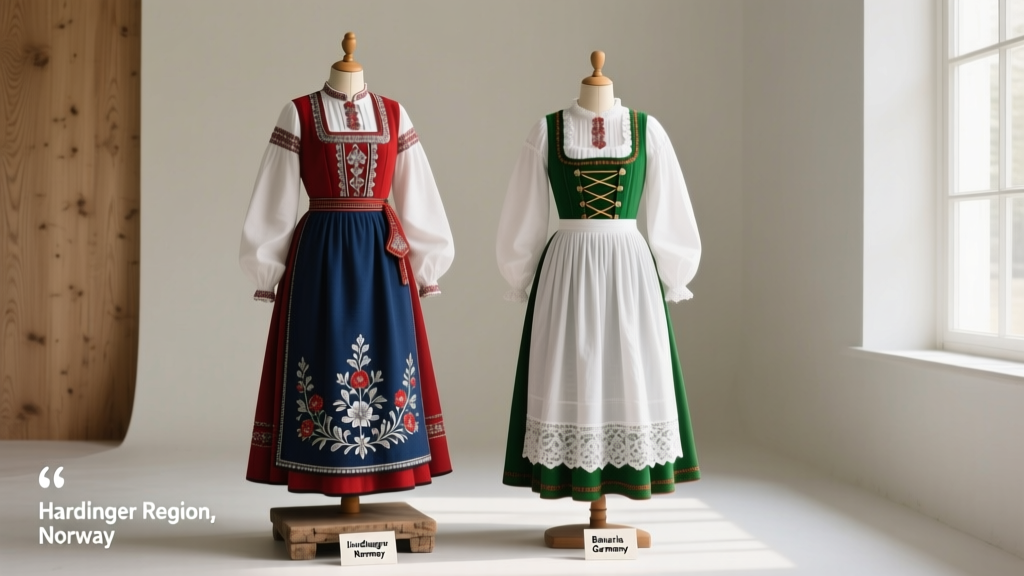
The evolution of the Dirndl from 19th-century Alpine servant wear to aristocratic summer fashion, and eventually to modern festival wear, has created two distinct styling paradigms. The table below outlines the critical differences between authentic Tracht and contemporary commercial styling.
| Feature | Traditional Tracht & Couture Dirndl | Modern / Commercial Festival Dirndl |
|---|---|---|
| Skirt Length | Below the knee (60-75cm waist-to-hem) | Above the knee (45-55cm waist-to-hem) |
| Bodice Closure | Silver hooks, horn toggles, or silk lacing | Hidden metal or plastic zippers |
| Fabric Composition | 100% Linen, raw silk, wool, or half-linen (Halbleinen) | Polyester blends, stretch cotton, synthetic brocades |
| Pattern & Color | Regionally specific florals, woven checks, muted natural dyes | High-contrast neon, generic paisley, mass-printed motifs |
| Price Range (EUR) | €600 – €2,500+ (Bespoke/Artisan) | €70 – €250 (Mass-market retail) |
Decoding the Apron Bow (Schürzenschleife)
One of the most vital pieces of cultural etiquette in wearing german clothing for women is the tying of the apron bow. According to the Bayerischer Trachtenverband (Bavarian Costume Association), the placement of the bow serves as a silent social communicator, a tradition that dates back to the late 19th century.
The Placement Code
- Left Side: The wearer is single and potentially open to courtship.
- Right Side: The wearer is married, engaged, or in a committed relationship.
- Center: Historically, this signaled virginity. In modern contexts, it is mostly worn by young children or by those unaware of the traditional code.
- Back (Center Back): Indicates that the wearer is a widow. Crucially, it is also the standard placement for waitresses working in beer tents, signaling that they are on duty and not to be flirted with.
Regional Nuances: Beyond the Alpine Stereotype
While the Bavarian and Austrian Alpine dirndl dominates global media, Germany’s regional Tracht is incredibly diverse. The Deutsches Trachtenmuseum in Bad Kötzting archives hundreds of distinct regional variations that defy the standard dirndl silhouette.
The Bückeburger Tracht (Lower Saxony)
In stark contrast to the light cottons of the south, the Bückeburger Tracht from Northern Germany features heavy, dark fabrics with intricate gold and black embroidery. The most striking element is the Mütze, an elaborate, winged black headpiece adorned with lace and ribbons, worn over a tightly pinned updo. This ensemble reflects the agrarian wealth and Protestant modesty of the Schaumburg region.
The Friesische Tracht (Frisian Islands)
Originating from the windswept northern coast, the Frisian traditional dress is characterized by dark, rich skirts and vests made of velvet and wool, designed to withstand harsh maritime climates. The true hallmark of the Frisian Tracht is the heavy silver filigree jewelry—elaborate chokers, clasps, and earrings that historically displayed a family's wealth and status within the fishing and trading communities.
"Tracht is not a costume to be put on for a party; it is a living garment that connects the wearer to their ancestors, their village, and the changing seasons of rural life."
— Curatorial Archives, Bayerisches Nationalmuseum, Munich
Styling Framework: How to Wear German Clothing Today
Navigating the space between historical reverence and modern aesthetics requires a thoughtful approach. If you are investing in german clothing for women, whether for a cultural festival, a wedding, or a visit to Munich, adhering to a few styling frameworks will ensure you look elegant and culturally respectful.
1. Invest in the Skirt and Bodice, Accessorize Modernly
If a bespoke €1,500 Tracht ensemble is outside your budget, prioritize a high-quality, mid-tier dirndl (€250–€400) made from natural fibers like cotton or linen. Avoid synthetic shine. You can modernize the look by pairing a traditional, knee-length skirt with a contemporary, high-quality knit cardigan or a tailored wool blazer for autumn events, rather than the traditional silk Dirndljäckchen.
2. Footwear Matters
The most common styling mistake in modern dirndl wear is the choice of footwear. While commercial marketing often pairs dirndls with high stiletto pumps, traditional styling calls for practical, elegant footwear. Opt for leather Haferlschuhe (traditional Alpine shoes), high-quality leather ballet flats, or low, sturdy block heels. This not only aligns with the agrarian roots of the garment but is infinitely more practical for navigating cobblestone streets and festival grounds.
3. Respect the Neckline
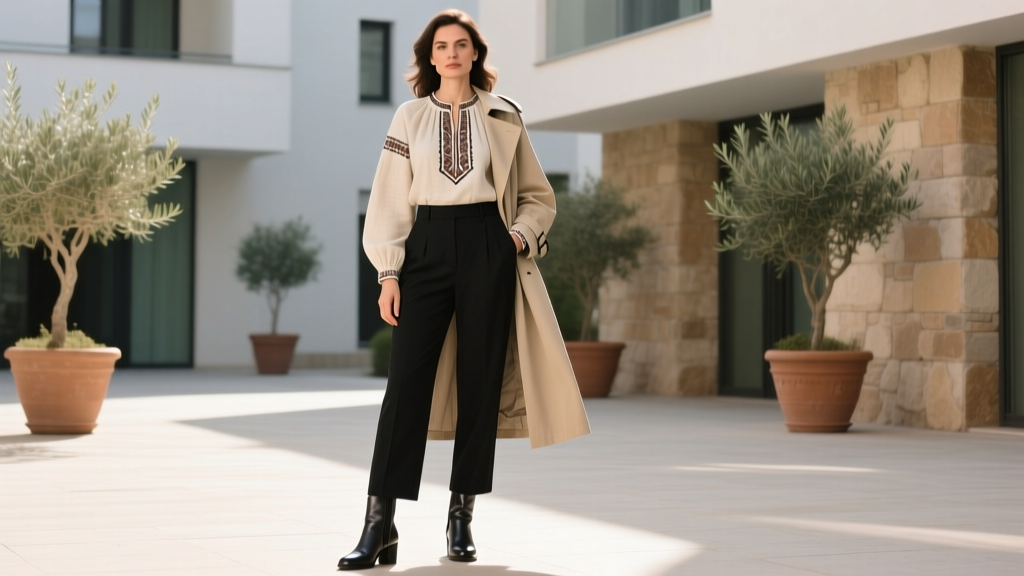
Modern commercial dirndls frequently feature plunging, balconette necklines. However, traditional styling emphasizes modesty and structure. A beautifully embroidered cotton blouse with a square or round neckline, paired with a subtle silver Kropfkette (choker necklace) or a delicate silk scarf tied at the neck, elevates the ensemble from "party wear" to refined cultural apparel.
The Verdict: Honoring the Craft
The conversation surrounding german clothing for women is ultimately a conversation about preservation versus adaptation. The modern, commercialized dirndl has undeniably kept the silhouette alive in the global consciousness, introducing millions to the joy of Alpine aesthetics. However, the traditional Tracht remains a masterclass in slow fashion, regional identity, and artisanal craftsmanship. By understanding the structural differences, respecting regional variations like the Frisian and Bückeburger styles, and adhering to cultural etiquette, modern wearers can celebrate this rich European heritage with the dignity and admiration it deserves.