Authentic German Attire: A Guide to Tracht Craftsmanship & Materials

Decoding Tracht: Beyond the Oktoberfest Caricature
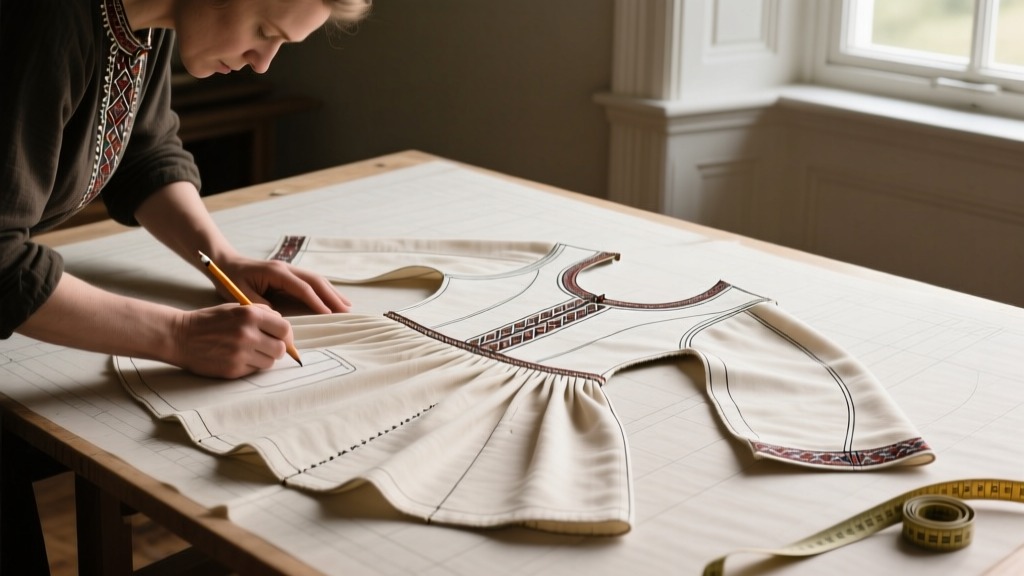
When discussing german attire, the global imagination often defaults to the commercialized, mass-produced costumes seen at tourist festivals. However, authentic traditional dress—known collectively as Tracht—is a profound expression of regional identity, artisanal mastery, and living history. Unlike fast-fashion Trachtenmode, genuine Tracht is constructed using time-honored techniques passed down through generations of master tailors (Maßschneider) and leatherworkers. Today, hundreds of Trachtenvereine (folk costume associations) across Germany work tirelessly to preserve these sartorial traditions, ensuring that the garments remain a living culture rather than a museum relic.
The Anatomy of Authentic Lederhosen: Leather, Tanning, and Stitching
The Lederhose (literally 'leather breeches') is perhaps the most globally recognized piece of German attire, originating as durable workwear for alpine hunters and woodsmen in Bavaria and Tyrol. The craftsmanship of a genuine pair is defined by its leather source and tanning method.
Hirschleder vs. Gamsleder: A Material Comparison
Authentic Lederhosen are never made from stiff cowhide. Master leatherworkers rely on two primary materials:
- Hirschleder (Deer Leather): Sourced from red deer, this leather is prized for its softness, breathability, and distinctive suede-like finish. It molds to the wearer's body over time, creating a bespoke fit.
- Gamsleder (Chamois Leather): Sourced from the alpine chamois, this leather is slightly thinner and incredibly supple, often reserved for premium, lightweight summer breeches.
The Art of Sämischgerbung (Oil Tanning)
The defining characteristic of heritage Lederhosen is the Sämischgerbung process. Unlike modern chrome tanning, which uses harsh chemicals, this ancient method utilizes fish oils or animal fats to cure the hide. According to historical archives at the Bayerisches Nationalmuseum, this labor-intensive process takes several weeks and results in a leather that is naturally water-resistant, exceptionally soft, and entirely washable with mild soap—a crucial feature for historical alpine workers. The breeches are finished with hand-carved roe deer horn buttons and intricate floral embroidery (Stickerei) using heavy linen thread, often depicting regional flora like the Edelweiss or Enzian (gentian).
Dirndl Construction: From Bodice (Mieder) to Apron (Schürze)
The Dirndl evolved from the utilitarian dresses of rural Alpine servants in the 18th century before being adopted by the Austrian and Bavarian aristocracy as a romanticized fashion statement. A true Dirndl consists of four distinct components: the Mieder (bodice), Bluse (blouse), Rock (skirt), and Schürze (apron).
Structural Integrity of the Mieder
The bodice is the architectural core of the Dirndl. In authentic German attire, the Mieder is heavily structured with internal boning or stiffened canvas interfacing to provide a flattering silhouette without the discomfort of a corset. The edges are finished with Paspelierung (piping), often in contrasting silk or wool. Closures are traditionally made of forged silver or horn hooks, laced with silk ribbons, or fastened with hidden hook-and-eye sets for a seamless front.
Regional Fabric Variations Across the German States
While Bavaria dominates the global perception of the Dirndl, regional variations dictate strict material rules. The Trachteninformationszentrum (TIZ) in Benediktbeuern documents how fabrics shift dramatically across borders:
- Upper Bavaria (Miesbacher Tracht): Festive Dirndls feature heavy silk bodices, silver hook closures, and skirts made of fine merino wool (Schurwolle).
- Black Forest (Schwarzwald): Known for the iconic Bollenhut (pompom hat), the traditional attire here utilizes heavy black wool skirts, white linen blouses, and elaborate silk brocade bodices.
- Franconia (Franken): Dirndls here often feature lighter cotton or half-linen (Halbleinen) blends, with intricate cross-stitch embroidery on the apron rather than the bodice.
Material & Craftsmanship Matrix
To distinguish between authentic heritage garments and mass-market festival wear, examine the material composition and construction markers outlined below:
| Garment Component | Authentic Heritage Material | Mass-Market Substitute | Key Craftsmanship Marker |
|---|---|---|---|
| Lederhosen Leather | Hirschleder (Red Deer) | Split Cowhide or PU Leather | Sämischgerbung (Oil-tanned), washable, suede finish |
| Dirndl Bodice (Mieder) | Schurwolle (Wool) / Seide (Silk) | Polyester blends | Paspelierung (Piping), structured canvas, horn hooks |
| Apron (Schürze) | Halbleinen (Half-linen) / Baumwolle | Cheap synthetic satin | Hand-rolled hem, regional weave patterns |
| Buttons & Hardware | Roe deer horn / Antler / Forged Silver | Stamped plastic / Zinc alloy | Hand-carved, unique natural grain, oxidized patina |
The Economics of Heritage: Pricing Authentic German Attire
Investing in authentic Tracht is an investment in slow fashion and artisanal labor. Because the materials are ethically sourced and the garments are often made-to-measure (Maßanfertigung), the price points reflect the hundreds of hours of skilled craftsmanship required.
A Note on the Apron Code: In Bavarian and Austrian tradition, the way the Schürze (apron) bow is tied communicates the wearer's relationship status. A bow on the left indicates the wearer is single; on the right, married or in a relationship; in the center, historically a widow (though today often worn by young girls or waitresses); and tied at the back, historically reserved for widows or restaurant staff.
Current Market Price Ranges (EUR)
- Entry-Level Authentic (Off-the-rack heritage brands): €250 – €450 for a complete Dirndl; €400 – €700 for standard deer-leather Lederhosen.
- Maßanfertigung (Custom-Tailored Dirndl): €800 – €1,500. Includes personal consultations, custom fabric selection from historic mills, and precise structural fitting.
- Bespoke Lederhosen (Master Leatherworker): €1,200 – €3,000+. This includes hand-drawn embroidery patterns specific to the wearer's family or hometown, hand-stitched seams using waxed linen thread, and premium chamois leather.
Sourcing and Caring for Heirloom Tracht
When purchasing authentic German attire, seek out certified Trachten boutiques or direct commissions from master tailors registered with the German Handicraft Confederation (Zentralverband des Deutschen Handwerks). Avoid shops that sell 'costumes' bundled in plastic packaging; genuine Tracht is sold as separate, high-quality components meant to be mixed, matched, and passed down.
Care for these garments requires specific attention. Oil-tanned Lederhosen should never be dry-cleaned, as the chemicals will strip the natural fats from the leather, causing it to crack. Instead, they should be gently brushed and spot-cleaned with a damp cloth and specialized leather soap. Dirndls made of silk or fine wool must be professionally cleaned by specialists who understand historical garment structures, ensuring the internal boning and delicate piping remain intact. By respecting the materials and the makers, wearers help sustain the vibrant, living ecosystem of European folk dress for the next generation.