European Festival Guide 2026: Wearing Traditional Garments
The Living Heritage: Beyond the Costume Misconception
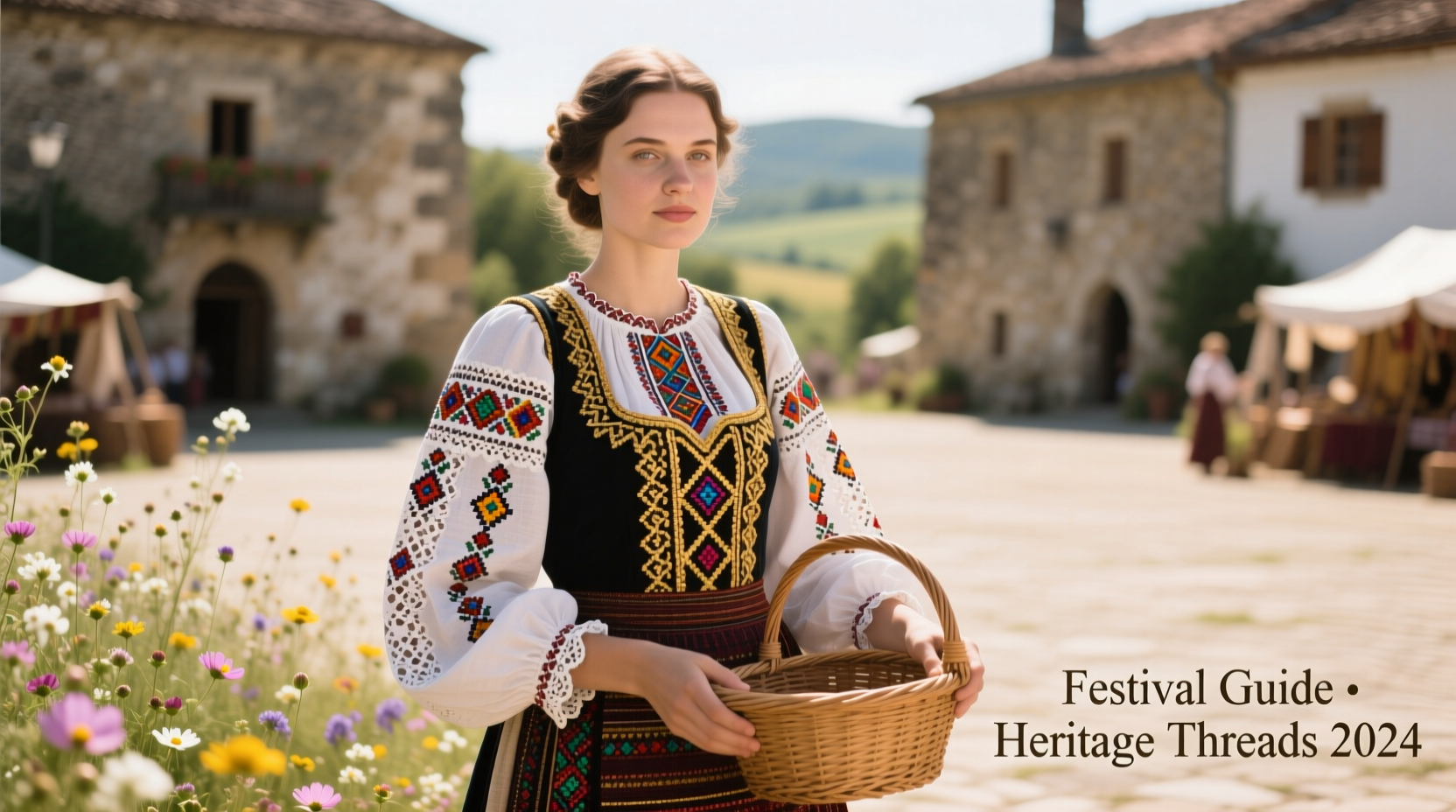
As Europe gears up for its most vibrant cultural celebrations in 2026, travelers and locals alike are turning their attention to the region's rich textile heritage. From the alpine meadows of Bavaria to the rugged highlands of Scotland and the fjords of Norway, traditional garments are not mere relics of the past. They are living, breathing expressions of regional identity. However, a critical distinction must be made before attending any folk festival: the difference between a Kostüm (a mass-produced costume) and Tracht or folkdräkt (authentic, historically grounded regional dress).
Wearing traditional garments at European festivals requires an understanding of local protocols, fabric composition, and historical context. This comprehensive 2026 festival guide provides actionable advice on sourcing, wearing, and respecting Europe's most iconic folk dress, ensuring you participate in these celebrations with cultural integrity rather than treating them as theatrical dress-up.
Major 2026 European Festivals & Their Native Dress
Munich Oktoberfest & Almabtrieb (Bavaria, Germany & Tyrol, Austria)
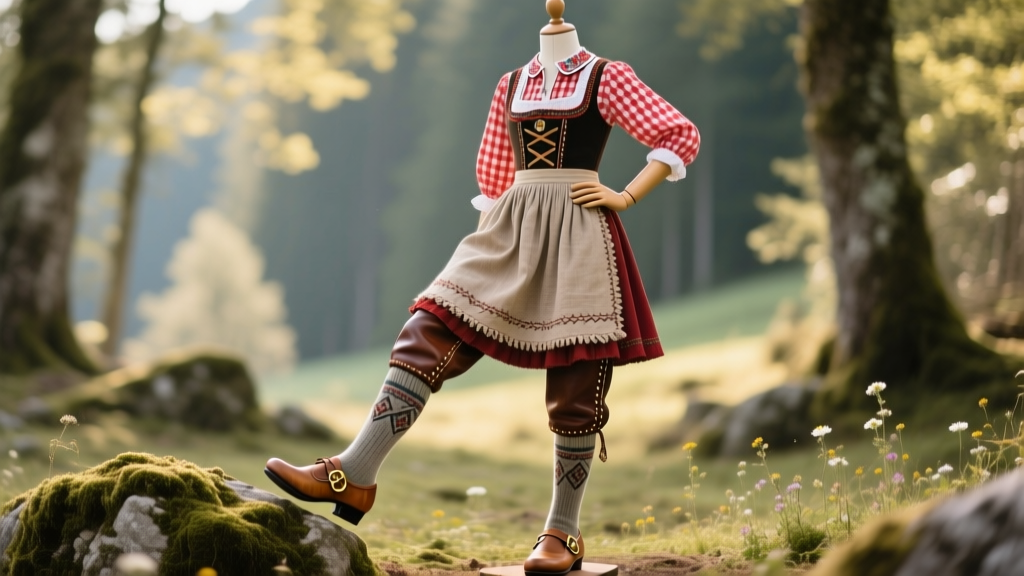
While Oktoberfest is globally recognized, its sartorial standards are frequently misunderstood by international visitors. The traditional garments worn here are Bavarian Tracht. For women, this is the Dirndl, consisting of a Mieder (structured bodice), Rock (mid-length skirt), Bluse (cropped blouse), and Schürze (apron). For men, it is Lederhosen (leather breeches) paired with a Trachtenhemd (rustic shirt) and Haferlschuhe (traditional side-laced shoes).
Authentic Lederhosen are crafted from Hirschleder (specially tanned deer leather) or Rehleder (roe deer), which is supple, breathable, and features intricate floral embroidery known as Stickerei. A genuine pair is designed to last a lifetime and mold to the wearer's body. Similarly, a high-quality Dirndl utilizes natural fibers like linen, cotton, or raw silk, featuring a bodice that hooks or laces with precision, entirely devoid of the zippers found in cheap tourist-shop imitations.
The Braemar Gathering & Highland Games (Scotland)
Scottish Highland Games, culminating in the prestigious Braemar Gathering every September, are a profound display of clan heritage. The traditional garments of the Highlands center on the kilt and its accompanying accoutrements. A genuine Highland kilt is not a simple wrap-skirt; it is an engineering marvel of wool.
Authentic kilts are woven from 16oz or 13oz worsted wool tartan and require up to 8 yards of single-width fabric (or 4 yards of double-width). The pleating is meticulously calculated, either "pleated to the sett" (continuing the tartan pattern through the folds) or "pleated to the stripe" (highlighting a single vertical line). Accompanying the kilt is the sporran (leather or fur pouch), sgian-dubh (ceremonial sock knife), and a heavy wool kilt hose. According to National Museums Scotland, the evolution of the "little kilt" (feileadh beag) from the earlier Great Plaid (feileadh mòr) in the 18th century reflects the adaptation of traditional garments to modern mobility and military practicality.
Midsommar & Constitution Day (Scandinavia)
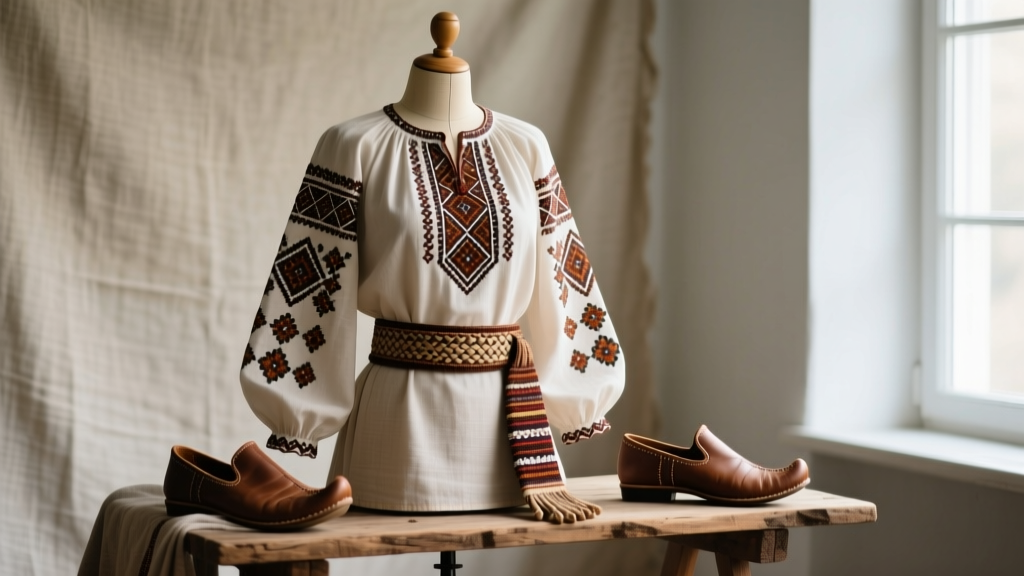
In Sweden and Norway, Midsummer (Midsommar) and Constitution Day (Syttende Mai) are peak occasions for wearing folk dress. In Norway, the bunad is a point of immense national pride. Unlike generalized costumes, a bunad is strictly tied to a specific geographic region, such as the Hardangerbunad or the Bunad fra Telemark. These garments feature hand-woven wool, intricate cross-stitch embroidery based on 18th-century rural textiles, and heavy, oxidized silver jewelry (sølje).
Sweden's folkdräkt operates similarly, with hundreds of documented regional variations. The Leksandsdräkt from Dalarna, with its distinctive red, white, and black color blocking, is perhaps the most recognized. The Norwegian Museum of Cultural History (Norsk Folkemuseum) notes that the bunad movement of the early 20th century was a deliberate effort to preserve rural craftsmanship against the tide of industrialization, making these garments symbols of cultural resilience.
Authenticity Matrix: Mass-Market vs. Artisanal Traditional Garments
To navigate festival vendors and heritage boutiques, use this matrix to distinguish between genuine traditional garments and mass-market festival traps.
| Garment Type | Mass-Market "Costume" (Avoid) | Artisanal Heritage Wear (Invest) | Authentic Price Range (EUR/GBP) |
|---|---|---|---|
| Bavarian Dirndl | Polyester blends, zipper closures, plastic hooks, above-knee hemlines. | Cotton/linen/silk, metal hook-and-eye or lacing, modest hem, silk apron. | €250 - €850+ |
| Lederhosen | Cowhide or pigskin, glued embroidery, machine-stamped patterns. | Hirschleder (deer), hand-stitched Stickerei, horn buttons, drop-front. | €450 - €1,200+ |
| Scottish Kilt | Thin acrylic tartan, velcro closures, unpleated or poorly pressed. | 16oz wool, hand-stitched fell, leather straps/buckles, lined. | £350 - £700+ |
| Norwegian Bunad | Machine-embroidered imports, synthetic blends, inaccurate silver. | Hand-woven wool, traditional regional stitchery, hallmark 925 silver. | €2,800 - €5,000+ |
Sourcing & Price Guide for Genuine Folk Dress
If you are attending a festival in 2026 and wish to acquire authentic traditional garments, bypass the souvenir shops near the event grounds. Instead, seek out established heritage tailors and artisan cooperatives.
- Bavaria & Austria: For genuine Tracht, visit historic Munich houses like Angermaier or Gößl. In rural Tyrol, local Säckler (leatherworkers) take custom measurements for Lederhosen, requiring a lead time of 3 to 6 months.
- Scotland: Authentic kilts should be commissioned from members of the Kiltmakers' Association or historic houses like Kinloch Anderson in Edinburgh or Houston Kiltmakers in Paisley. Expect a consultation process involving precise measurements of the waist, hips, and inseam.
- Scandinavia: In Norway, the Husfliden cooperatives are the gold standard for bunad components, offering courses and materials to ensure regional accuracy. In Sweden, the Svenska Folkdansringen (Swedish Folk Dance Ring) provides archives and local guilds for sourcing accurate folkdräkt patterns.
Cultural Etiquette: Rules for Visitors and Expatriates
Wearing traditional garments as a non-native requires tact, respect, and adherence to unwritten cultural codes. Here are the essential etiquette rules for the 2026 festival season:
The Dirndl Apron Code
In Bavarian and Austrian culture, the placement of the Schürze (apron) bow communicates the wearer's relationship status.
- Left side: Single and available.
- Right side: Married, engaged, or in a relationship.
- Center: Traditionally indicates virginity (though less common today, often worn by young brides).
- Back: Widowed or working as a waitress/server.
Scottish Tartan Protocols
Visitors to Highland Games often ask, "Can I wear a tartan if I am not Scottish?" The answer is yes, but with nuance. If you do not have a verified clan surname, you should wear a "universal" or "fashion" tartan (such as Black Watch, Royal Stewart, or a district tartan of a place you have visited). Never claim a specific clan tartan as your own without genealogical ties. Furthermore, a kilt should be worn with the pleats at the back and the apron overlapping at the front—never worn as a novelty item.
The Bunad Dilemma for Foreigners
The Norwegian bunad is deeply personal, usually gifted for a 15th birthday (konfirmasjon) and tied to one's ancestral municipality. Foreigners and expats are generally advised not to wear a strict regional bunad unless they have deep familial ties to that specific valley. Instead, visitors are encouraged to wear a festdrakt (festival dress) or a "fantasy bunad"—garments inspired by folk motifs but not claiming strict historical or geographic authenticity. This shows profound respect for the living tradition.
"The bunad is not a uniform; it is a visual genealogy. When we preserve the strict regional patterns, we are preserving the history of the women who spun, wove, and stitched these valleys into existence."
— Curatorial Department, Norsk Folkemuseum, Oslo.
Conclusion: Dressing with Intention
Attending European festivals in 2026 offers a rare opportunity to witness traditional garments in their natural, joyful habitat. By investing in quality materials, understanding the historical weight of the textiles, and observing regional etiquette, visitors transition from mere spectators to respectful participants in Europe's enduring cultural tapestry. Whether you are lacing a Bavarian bodice, pleating Highland wool, or pinning Scandinavian silver, do so with the reverence these living traditions demand.