Female Lederhosen Guide: Oktoberfest & Festival Tracht 2026
The Cultural Reality of Female Lederhosen in Alpine Tracht
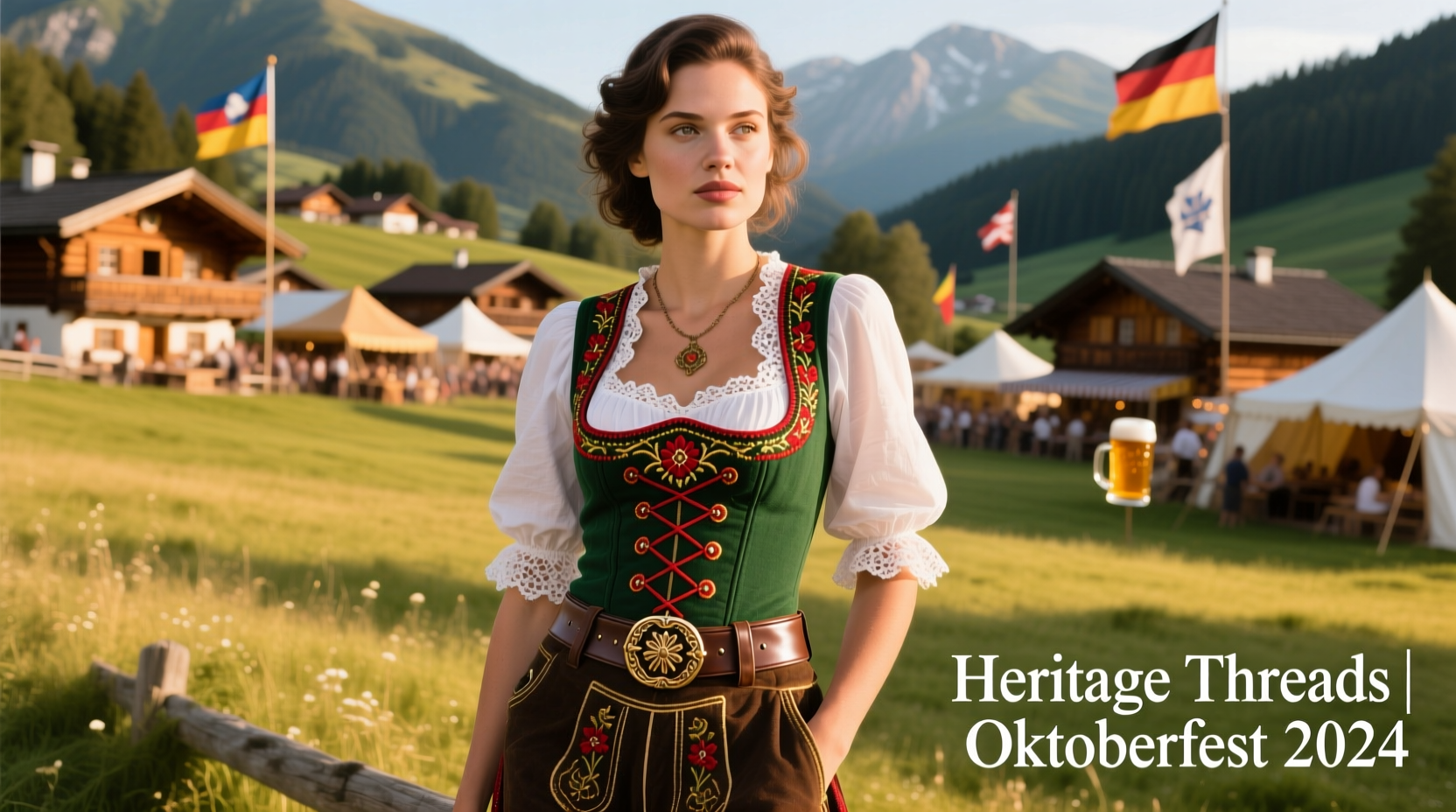
When curating a wardrobe for Alpine festivals, the Dirndl is universally recognized as the traditional cornerstone of women’s Bavarian and Austrian dress. However, as Oktoberfest and regional folk festivals approach in 2026, a distinct sartorial shift continues to gain momentum: the Damenlederhosen, or female lederhosen. To wear this garment respectfully and stylishly, one must first understand its complex cultural position.
Historically, authentic Lederhosen (leather breeches) were strictly male workwear, originating in the 18th century among hunters, foresters, and laborers in the harsh Alpine terrains of Bavaria, Tyrol, and Salzburg. According to archives at the Bayerisches Nationalmuseum, women in these regions historically wore heavy wool skirts (Tuchröcke), bodices (Mieder), and practical aprons for labor and equestrian activities. The concept of women wearing leather breeches was virtually non-existent in historical rural communities.
Today, the female lederhosen is a modern innovation rather than a historical revival. It emerged in the late 20th century, heavily influenced by equestrian riding habits, modern fashion trends, and a desire for gender-neutral festival comfort. While strict, conservative Trachtenvereine (traditional costume clubs) still mandate skirts and dresses for female members during official parades, the modern festival-goer has embraced high-quality leather trousers as a bold, practical, and culturally adjacent alternative to the Dirndl. Understanding this distinction is vital: you are participating in a living, evolving festival fashion, not replicating an 18th-century peasant garment.
Oktoberfest 2026: Styling Etiquette for Women
Pulling off female lederhosen at a major event like Oktoberfest requires balancing rustic heritage with refined styling. Because leather trousers inherently carry a rugged, masculine silhouette, the key to a successful festival ensemble lies in contrasting textures and traditional feminine layering.
Blouses and Upper Layers
Avoid pairing leather breeches with casual modern t-shirts or tank tops, as this degrades the outfit into mere costume territory. Instead, opt for a traditional Trachtenbluse (Tracht blouse). A high-necked lace blouse or a structured linen shirt with subtle puffed sleeves softens the ruggedness of the leather. For cooler September evenings in the beer tents, layer with a Trachtenjacke (traditional wool or loden jacket) or a tailored velvet vest (Samtweste). These pieces anchor the outfit in authentic Alpine aesthetics while providing necessary warmth.
Footwear and Hosiery
Footwear dictates the authenticity of your festival attire. The most culturally accurate choice is the Haferlschuh, a traditional Bavarian shoe featuring a distinctive side-lacing system and a robust, grippy sole designed for Alpine terrain. For women, many artisans now craft elegant, slightly tapered versions of the Haferlschuh that pair beautifully with leather shorts or capri-length lederhosen. Alternatively, knee-high leather boots (Trachtenstiefel) are highly acceptable and practical for muddy festival grounds.
Never wear ankle socks or bare legs with traditional leather breeches. Invest in authentic Trachtenstutzen—thick, ribbed wool socks that sit just below the knee. Choose natural shades like charcoal, forest green, or deep brown to complement the leather.
Material Matrix: Choosing Your Leather
The quality of female lederhosen is entirely dependent on the hide used and the tanning process. Authentic Alpine tracht utilizes brain-tanned or chrome-tanned leathers that are supple, breathable, and capable of molding to the wearer’s body over time. Below is a comparative guide to help you navigate the market for the 2026 festival season.
| Material (German / English) | Characteristics & Feel | Price Range (EUR) | Cultural Authenticity |
|---|---|---|---|
| Hirschleder (Deerskin) | Exceptionally soft, lightweight, and breathable. Features a distinct, velvety grain. The gold standard for luxury Tracht. | €800 - €1,500+ | Highest (Traditional hunting heritage) |
| Rindsleder (Cowhide) | Durable, thicker, and more structured. Requires a break-in period but offers excellent longevity and weather resistance. | €350 - €700 | High (Standard working Tracht) |
| Ziegenleder (Goatskin) | Supple with a tight, pebbled grain. Often used for high-end jackets but occasionally crafted into premium women's breeches. | €600 - €1,000 | High (Regional specialty) |
| Faux Leather / PU | Stiff, non-breathable, and prone to peeling. Lacks the ability to mold to the body or develop a natural patina. | €40 - €120 | None (Considered 'Kitsch' or costume) |
When examining authentic pieces, look for the Latze (the traditional front drop-flap) and the Hosenträger (suspenders). The embroidery, known as Stickerei, is typically done by hand using heavy silk or linen thread. While men’s embroidery often features hunting motifs like oak leaves and acorns, female lederhosen may incorporate subtle floral alpine motifs, such as edelweiss or gentian, though many women proudly wear the traditional hunting patterns to honor the garment's origins.
Sourcing Authentic Damenlederhosen
If you are investing in genuine female lederhosen, bypass the pop-up tourist shops in Munich’s city center, which predominantly sell mass-produced, synthetic costumes. True craftsmanship is found in specialized Trachten boutiques and regional artisan workshops.
Towns like Miesbach, Garmisch-Partenkirchen, and Berchtesgaden are historic hubs for leather artisans. Brands such as Meindl, Trachten Angermaier, and bespoke local saddlers who have expanded into clothing offer exceptional women's cuts. These artisans understand the anatomical differences required for women's leather trousers, adjusting the rise, hip-to-waist ratio, and thigh tapering to ensure comfort during long festival days. For a deeper understanding of regional variations in Alpine dress and leatherworking, the exhibitions at the Alpines Museum München provide invaluable historical context on how these garments were originally constructed and adorned.
The Accessory Protocol: Charivari and Hats
To complete your festival ensemble, consider the Charivari. Historically a hunter’s chain used to display trophies like animal teeth or claws, it is now worn across the front flap of the lederhosen as a status symbol and decorative element. Women’s Charivaris are often slightly more delicate, featuring silver coins, small alpine charms, or polished antler tips.
Headwear is equally important. A traditional Tirolerhut (Tyrolean hat) made of wool felt, adorned with a Gamsbart (chamois beard) or a decorative cord, elevates the outfit from casual wear to full festival regalia. Ensure the hat’s color harmonizes with the embroidery thread on your lederhosen.
Post-Festival Care and Maintenance
Authentic leather is a living material that requires specific care, especially after being exposed to the spilled beer, rain, and humidity of a bustling festival tent. Never machine wash or dry clean genuine Hirschleder or Rindsleder.
If your breeches become damp, allow them to air dry at room temperature, away from direct heat sources like radiators, which will cause the leather to crack and shrink. Once dry, gently brush the surface with a soft-bristled suede or nubuck brush to restore the nap. For deeper stains, consult a professional leather cleaner who specializes in traditional Tracht. Over the years, the leather will absorb the oils from your skin and the environment, developing a rich, dark patina that tells the story of every festival attended—a hallmark of true Bavarian heritage.
By approaching female lederhosen with an understanding of its modern evolution, a commitment to high-quality materials, and respect for Alpine styling etiquette, you can navigate Oktoberfest 2026 with both confidence and cultural appreciation.