The Female Version of Lederhosen: Dirndl vs. Tracht Variants

The Great Tracht Misconception: Do Women Wear Lederhosen?
When enthusiasts and buyers search for the female version of lederhosen, they are often met with a complex cultural reality. In the strict, historical context of Alpine Tracht (traditional folk dress), women do not wear lederhosen. The authentic, historical female counterpart to the male leather breeches is the Dirndl (or Dirndlgewand). However, the evolution of folk clothing is not static. Today, Damen-Lederhosen (women's leather trousers) exist as a modern, niche adaptation within the Tracht ecosystem, while historically, some female alpine dairy workers (Sennerinnen) donned practical leather breeches for harsh mountain labor.
To truly understand the female version of lederhosen, one must examine both the traditional Dirndl and the contemporary phenomenon of female-cut leather breeches. According to the Bayerisches Nationalmuseum, the codification of Alpine Tracht in the 19th century strictly separated gendered garments: men wore Lederhosen and Loden wool, while women wore the bodice-and-skirt ensemble. Yet, as modern festivals like Oktoberfest and contemporary alpine fashion evolve, the lines have blurred, giving rise to tailored leather trousers designed specifically for the female form.
Dirndl vs. Damen-Lederhosen: A Structural Comparison
Understanding the differences between the traditional female counterpart and the modern leather alternative requires a breakdown of their structural components, materials, and cultural placements.
| Feature | Dirndl (Traditional Counterpart) | Damen-Lederhosen (Modern Adaptation) |
|---|---|---|
| Core Components | Mieder (bodice), Rock (skirt), Schürze (apron), Bluse (blouse) | Lederhose (leather trouser), Hosenträger (suspenders), Trachtenhemd (shirt) |
| Primary Material | Cotton, linen, wool, silk, brocade | Hirschleder (deer), Sämischleder (oil-tanned), Schweinsleder (pig) |
| Silhouette | Cinched waist, flared skirt, modest neckline | Tailored hip-fit, drop-front flap, tapered or knee-length leg |
| Cultural Status | Universally accepted traditional formal and casual wear | Niche, modern fashion, or specific historical workwear revival |
| Price Range (Authentic) | €300 - €1,200+ | €400 - €1,500+ |
Anatomy of the Dirndl (The Traditional Counterpart)
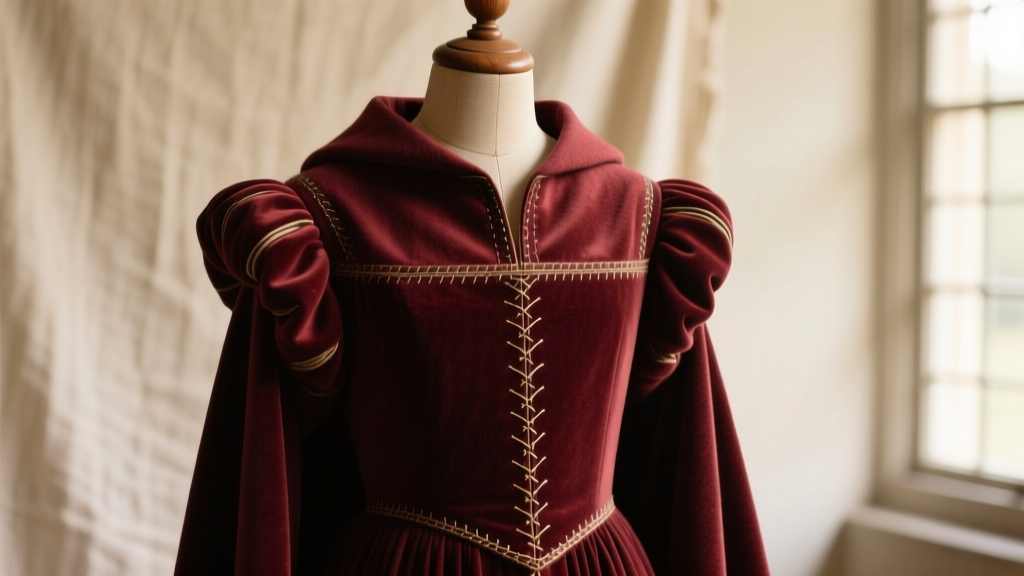
The Dirndl is a masterclass in modular layering. The foundation is the Dirndlbluse, typically white cotton or linen, featuring puff sleeves or delicate lace. Over this sits the Mieder (bodice), which is heavily boned or structured to provide support and a distinct silhouette, fastened by hooks, buttons, or a silk ribbon lacing. The Rock (skirt) is gathered or pleated at the waist, falling anywhere from mid-calf to ankle length depending on the formality and region. Finally, the Schürze (apron) is tied at the front. The apron is not merely decorative; it is a vital cultural communicator, which we will explore in the etiquette section.
Anatomy of Female Lederhosen (The Modern & Historical Exception)
When artisans craft a true female version of lederhosen, they cannot simply scale down a male pattern. The female pelvis and waist-to-hip ratio require significant pattern alterations. Authentic Damen-Lederhosen feature a higher rise to accommodate the hips and a tapered waistband. They retain the iconic Latzen (the drop-front flap secured by horn buttons) and Hosenträger (suspenders), often embroidered with alpine motifs like edelweiss, thistles, or oak leaves. Unlike the male Bundhosen (knee-breeches), female versions are frequently cut as full-length trousers or cropped capris to pair with modern Trachten footwear, though knee-length variants remain popular for strict traditionalists.
Regional Variants Across the Alps
Tracht is highly localized. What is worn in the Bavarian lowlands differs vastly from the high-alpine valleys of Tyrol. The Tiroler Volkskunstmuseum notes that regional isolation preserved distinct garment constructions, embroidery styles, and color palettes well into the 20th century.
Bavarian & Munich Styles
In Bavaria, particularly around Munich and the Alpine foothills, the Miesbacher Tracht and Werdenfelser Tracht dominate. For women wearing Dirndls, this means rich, dark colors—deep forest greens, navy blues, and burgundies—with elaborate silk embroidery. If a woman opts for modern Bavarian-style Lederhosen, the leather is typically dark brown or black Hirschleder (red deer), heavily adorned with raised, floral Rankenmuster (vine patterns) embroidered in contrasting green or ochre threads. The suspenders are wide and heavily decorated, often featuring a cross-piece (Quersteg) with intricate horn-button closures.
Austrian Tyrol & Salzburg Traditions
Crossing into Austria, the aesthetic shifts. The Tyrolean and Salzburg regions (such as the Zillertaler Tracht or Pinzgauer Tracht) favor lighter, more natural materials. The leather of choice here is Sämischleder, a brain- or oil-tanned leather that is incredibly soft, breathable, and naturally pale yellow or cream-colored before being dyed. Female Dirndls in these regions often feature a Schnürmieder (laced bodice) with silver or pewter hooks, paired with a brightly colored silk apron. For the rare female Lederhosen crafted in the Tyrolean style, the embroidery is more geometric or features the Federkielstickerei technique, where split porcupine quills are woven into the leather to create striking, durable, three-dimensional patterns.
Material Sourcing and Construction Standards
The soul of any leather Tracht garment lies in its hide and tanning process. Mass-market festival wear utilizes split cowhide or synthetic PU leather, which lacks breathability and ages poorly. Authentic female lederhosen and high-end Dirndl leather accents rely on two primary materials:
- Hirschleder (Red Deer): Prized for its durability, distinct grain, and thickness. It is the gold standard for heavily embroidered, structured garments meant to last a lifetime.
- Sämischleder (Oil-Tanned Leather): Tanned using natural oils (historically cod liver oil or animal brains) rather than harsh chrome chemicals. This process makes the leather incredibly supple, water-resistant, and uniquely washable. A true Sämischleder garment will mold to the wearer's body over time, developing a rich patina.
- Rehleder (Roe Deer): Softer and lighter than red deer, often used for delicate accessories or lighter, summer-weight Tracht pieces.
Construction standards for authentic Tracht demand hand-stitched embroidery (Handstickerei). Machine embroidery lies flat and lacks the raised, textured feel of artisan work. Furthermore, the seams of genuine Lederhosen are often bound in contrasting leather strips, a technique that reinforces the garment while adding a striking visual border.
Buying Guide: Pricing, Fit, and Authenticity Markers
Investing in the female version of lederhosen or a high-quality Dirndl requires navigating a market flooded with fast-fashion 'costumes.' Here is a practical framework for buyers:
1. The Festival Tier (€80 - €200)
Found in tourist shops and online marketplaces. Materials are usually cowhide splits, polyester blends, or synthetics. Embroidery is machine-flat-stitched. While acceptable for a single Oktoberfest visit, these garments lack breathability, cultural accuracy, and longevity. The female cut is often just a scaled-down male pattern, leading to poor fit around the hips and waist.
2. The Mid-Tier Trachtenhaus (€300 - €700)
Purchased from dedicated Tracht boutiques in Munich, Salzburg, or Innsbruck. You will find genuine pigskin or basic deerskin Lederhosen and high-quality cotton/wool Dirndls. Embroidery may be a mix of machine and hand-finishing. The female cuts are properly graded for women's bodies, offering better comfort and silhouette.
3. The Bespoke Meister (€900 - €2,500+)
Commissioned from a certified Trachtenschneider (traditional tailor). This tier guarantees premium Sämischleder or Hirschleder, 100% hand-stitched embroidery customized to your family's regional heritage or personal motifs, and a bespoke fit. According to the Steirisches Volkskundemuseum, the preservation of these artisanal tailoring techniques is vital to maintaining the living heritage of Alpine dress. A bespoke piece is an heirloom, designed to be passed down through generations.
Wearing Etiquette and Cultural Protocol
Wearing Alpine Tracht carries social responsibilities. Whether you choose the traditional Dirndl or the modern Damen-Lederhosen, understanding the etiquette separates respectful participants from unaware tourists.
The Apron Knot Code: If wearing a Dirndl, the placement of the Schürzenknoten (apron bow) communicates your relationship status. Tied on the left means you are single. Tied on the right means you are married or in a committed relationship. Tied in the center front traditionally signifies virginity (though rarely used today), and tied in the back indicates you are widowed or working as service staff.
Footwear Pairings: Never pair authentic Tracht with sneakers or stilettos. For the Dirndl, the correct footwear is a Trachtenpumps (a low, chunky-heeled pump) or delicate leather flats. For female Lederhosen, the traditional choice is the Haferlschuh (a robust, side-laced alpine shoe originally designed for men but now widely crafted for women) or sturdy, calf-high leather alpine boots paired with thick, ribbed wool socks (Trachtenstutzen).
Context Matters: While Damen-Lederhosen are increasingly visible at modern folk festivals, beer tents, and casual alpine gatherings, they are generally not considered appropriate for highly formal, conservative events such as traditional church weddings or formal Schützenfest (marksmen's festivals) where the Dirndl or the formal Festtagstracht remains the strict protocol for women.
Ultimately, the female version of lederhosen represents a fascinating intersection of historical utility, modern fashion evolution, and deep-rooted Alpine identity. Whether you embrace the timeless, sweeping elegance of the Dirndl or the rugged, tailored rebellion of Damen-Lederhosen, investing in authentic materials and respecting regional nuances ensures you honor the rich cultural tapestry of European folk dress.